












Sail Through Time: Discover the Timeless Wonders of Upper Egypt Aboard Kenzy Dahabeya
Experience the magic of the Nile aboard Kenzy Dahabeya, a luxury boutique sailing cruise that offers an unforgettable journey between...
Read moreDetails
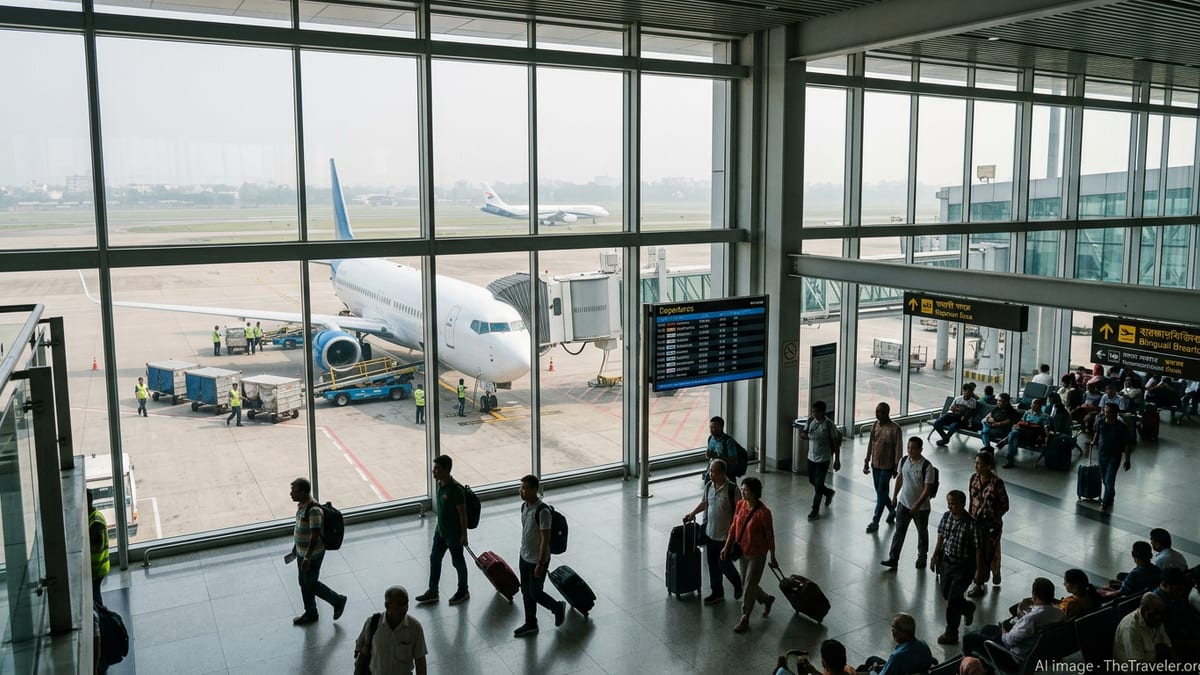
Bangladesh, China Move to Deepen Air Links and Tourism Ties
Comprehensive Summarization:
The article highlights the growing collaboration between Bangladesh and China in expanding air connectivity and tourism cooperation. Both countries are actively discussing fresh route proposals, increasing flight frequencies, and initiating new infrastructure projects. This strategic move aims to leverage the recent diplomatic warmth into increased people movement and investment. The article underscores the importance of aviation and tourism in their bilateral relations, signaling a significant step towards enhancing people-to-people connectivity and economic ties.
Key Points:
Actionable Takeaways:
Enhanced Connectivity: The proposed new routes and increased flight frequencies between Bangladesh and China are expected to significantly improve travel convenience for passengers. This enhanced connectivity can lead to a surge in tourist arrivals, benefiting both countries’ tourism sectors.
Infrastructure Investment: The focus on new infrastructure projects indicates a substantial investment in aviation and tourism-related facilities. This could include airport expansions, improved air traffic management systems, and tourism-related amenities, which are likely to create jobs and stimulate economic growth in the regions involved.
Diplomatic and Economic Synergy: The collaboration reflects a strategic move by both nations to leverage their diplomatic relations for economic gains. By enhancing air connectivity and tourism cooperation, Bangladesh and China aim to turn diplomatic warmth into concrete economic benefits, fostering a mutually beneficial relationship.
Contextual Insights:
The article’s context is rooted in the current global trend of nations leveraging diplomatic relations to drive economic growth, particularly in sectors like aviation and tourism. Recent years have seen a surge in bilateral agreements aimed at boosting tourism and travel, driven by the need to recover from the impacts of the COVID-19 pandemic. The focus on aviation and tourism in the Bangladesh-China collaboration aligns with this broader trend, indicating a strategic shift towards leveraging air travel as a key driver of economic engagement.
Moreover, the article reflects the ongoing advancements in travel technology and infrastructure, which are crucial for the successful implementation of new routes and increased flight frequencies. Innovations in air traffic management, digital ticketing, and passenger experience technologies are likely to play a pivotal role in making the proposed connectivity enhancements a reality. The article also touches on the importance of infrastructure development, underscoring the need for robust airport facilities and tourism-related services to support the increased travel demand.
In the context of the travel industry, this collaboration presents both opportunities and challenges. On the one hand, it offers a pathway for increased tourism and investment, which can be leveraged by travel startups and fintech companies to develop innovative solutions for travelers. On the other hand, it necessitates a coordinated approach to manage the operational and regulatory aspects of expanded air connectivity, ensuring a seamless travel experience for passengers.
Read the Complete Article.
Experience the magic of the Nile aboard Kenzy Dahabeya, a luxury boutique sailing cruise that offers an unforgettable journey between...
Read moreDetails



