












Article Summary:
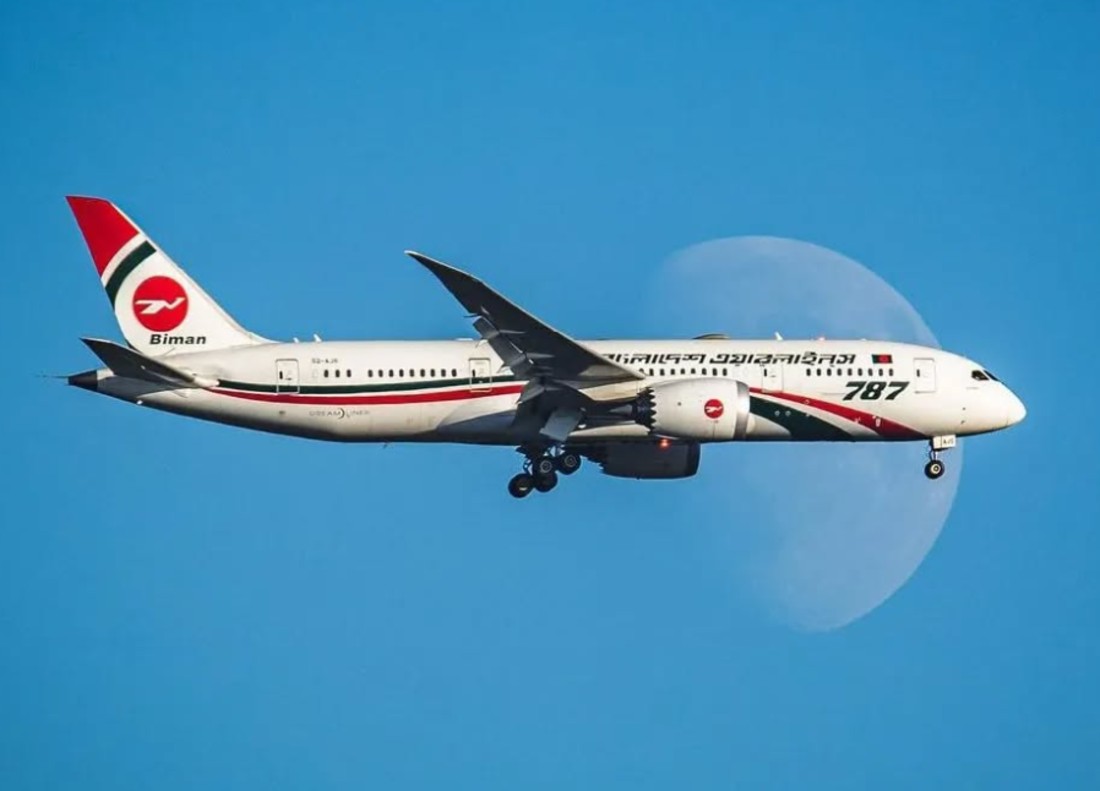
Biman Bangladesh Airlines, the national carrier of Bangladesh, has announced the acquisition of fourteen Boeing aircraft. This strategic move is aimed at enhancing the airline’s connectivity, thereby supporting tourism growth by enabling new routes and services. The acquisition was approved by the airline’s management and is expected to significantly bolster the airline’s position in the competitive aviation market.
Key Points:
- Biman Bangladesh Airlines has procured 14 Boeing aircraft, marking a significant expansion in its fleet.
- The acquisition is part of a broader strategy to enhance flight connectivity and support tourism growth in Bangladesh.
- The new routes and services are expected to increase the airline’s market share and improve passenger travel experiences.
- The purchase aligns with current industry trends focusing on expanding connectivity and improving service offerings to meet growing travel demands.
Actionable Takeaways:
- Strategic Fleet Expansion: Biman Bangladesh Airlines’ acquisition of Boeing aircraft demonstrates a forward-thinking approach to fleet management. Airlines should consider strategic fleet expansions to enhance connectivity and meet increasing travel demands, particularly in emerging markets like Bangladesh.
- Investment in Connectivity: The move highlights the importance of investing in modern aircraft to improve service quality and expand route networks. Airlines should prioritize investments in newer aircraft models to stay competitive and meet evolving passenger expectations.
- Tourism Growth Potential: The expansion of flight connectivity can significantly boost tourism in Bangladesh. Airlines and tourism boards should collaborate to develop promotional campaigns and improve airport facilities to capitalize on the increased travel options.
Contextual Insights:
The acquisition of fourteen Boeing aircraft by Biman Bangladesh Airlines reflects a broader trend in the aviation industry towards expanding fleet sizes to enhance connectivity and support tourism growth. This strategic move is particularly relevant in the context of post-pandemic recovery, where airlines are focusing on rebuilding passenger numbers and market share. The emphasis on modern aircraft, such as Boeing models, underscores the industry’s shift towards more efficient, fuel-efficient, and technologically advanced fleets. For travel startups and fintech companies, this trend presents opportunities in developing innovative solutions for airline partnerships, travel booking platforms, and customer experience enhancements. The focus on connectivity and service quality also aligns with the growing demand for seamless travel experiences, making it a critical area for innovation and investment in the travel sector.
Read the Complete Article.


