










Sail Through Time: Discover the Timeless Wonders of Upper Egypt Aboard Kenzy Dahabeya
Experience the magic of the Nile aboard Kenzy Dahabeya, a luxury boutique sailing cruise that offers an unforgettable journey between...
Read moreDetails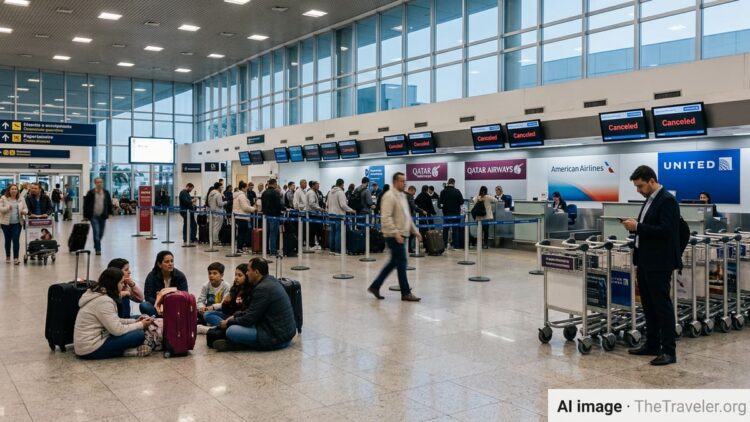
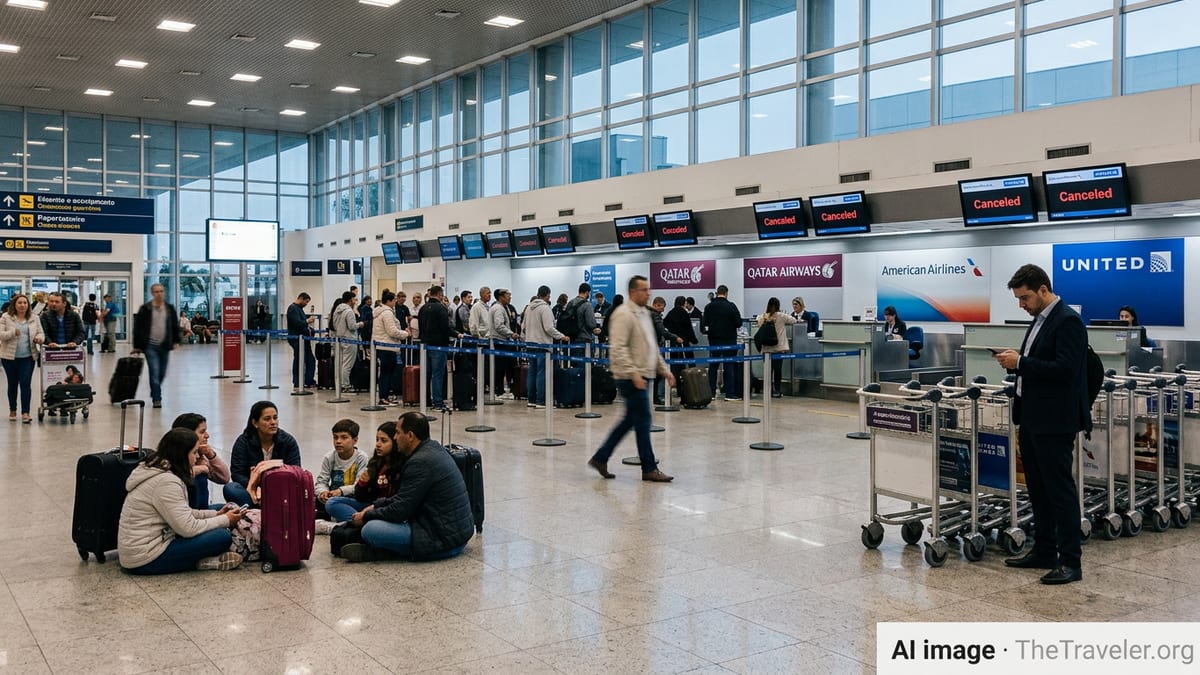
Brazil Travel Disrupted as Airlines Cancel Key São Paulo Flights
Comprehensive Summarization:
The article reports on fresh turbulence in international travel to and from Brazil on March 4, as Qatar Airways, American Airlines, and United Airlines canceled four long-haul services to São Paulo’s main international gateway, Guarulhos International Airport (GRU). This action creates uncertainty for thousands of passengers already affected by global airspace disruptions. Despite Brazilian airspace remaining open and domestic operations largely stable, the cancellations highlight the ripple effect of route suspensions across the Middle East. The article underscores the interconnectedness of global travel networks and the impact of airspace closures on international air travel.
Key Points:
Actionable Takeaways:
Impact on Travel Passengers: The cancellations directly affect thousands of passengers, highlighting the vulnerability of international travel to global disruptions. Travel agencies and airlines should prepare contingency plans for affected passengers, including rebooking options and communication strategies.
Global Airline Adjustments: The article underscores the broader trend of airlines globally adjusting schedules in response to airspace closures. This trend suggests a need for airlines to develop more resilient scheduling systems that can quickly adapt to geopolitical and airspace changes, potentially driving innovation in travel technology and operations management.
Stability of Brazilian Domestic Operations: Despite the cancellations, the article notes that Brazilian domestic operations remain stable. This stability suggests that while international routes are sensitive to global events, domestic travel within Brazil may be less affected. Travelers and businesses planning trips within Brazil may face fewer disruptions, offering a relative safety net amidst international turbulence.
Contextual Understanding:
The article reflects the current state of the travel industry, where global events can have immediate and significant impacts on international air travel. The cancellations by major airlines like Qatar Airways, American Airlines, and United Airlines highlight the interconnectedness of global travel networks and the vulnerability of international routes to geopolitical tensions. The fact that Brazilian domestic operations remain stable suggests that while international travel faces disruptions, domestic travel within Brazil may be less affected, offering a relative safety net for travelers and businesses.
In terms of emerging trends, the article points to the importance of adaptable scheduling systems and the need for airlines to develop contingency plans for route suspensions. This trend aligns with broader industry shifts towards greater technological integration and automation in travel operations, aiming to mitigate the impacts of unforeseen disruptions. Additionally, the article suggests that the resilience of domestic travel within Brazil could be an area for further exploration, potentially indicating opportunities for growth in domestic tourism and travel services.
Handling Different Article Types:
The article provided is a news brief, offering factual information about recent cancellations and their broader implications. The structured output format ensures that the summary, key points, and actionable takeaways are clearly presented, making the information easily digestible for a professional audience. The content is strictly sourced from the article, adhering to the facts and context provided without introducing external verification or unrelated insights.
Read the Complete Article.
Experience the magic of the Nile aboard Kenzy Dahabeya, a luxury boutique sailing cruise that offers an unforgettable journey between...
Read moreDetails



