




Comprehensive Summarization:
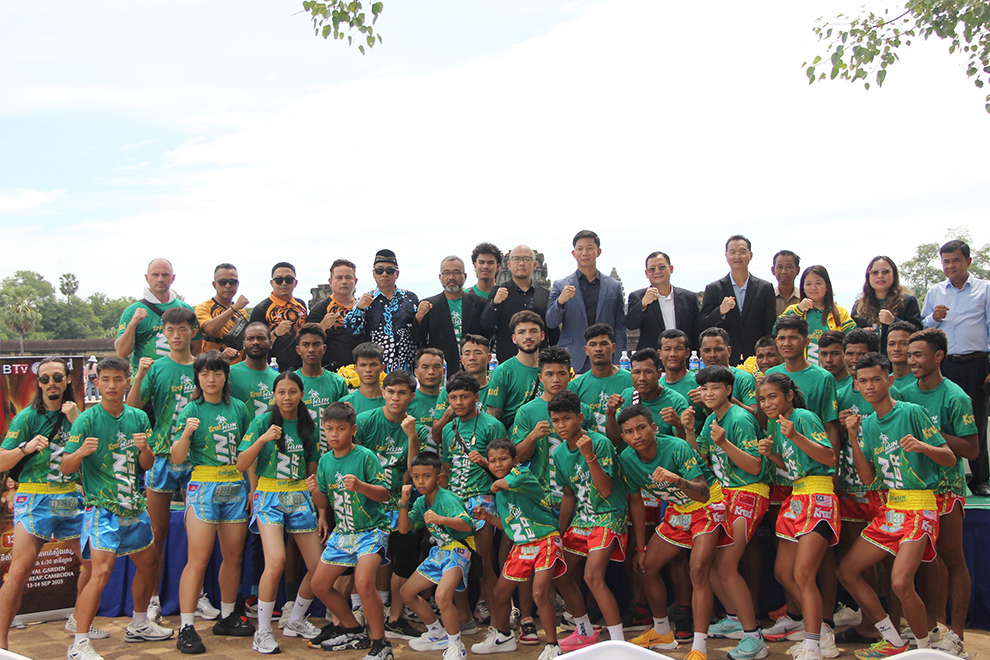
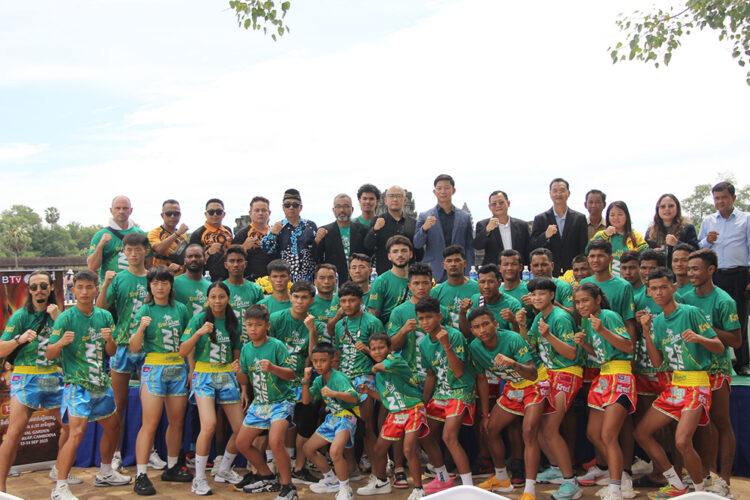
The article announces the “Krud Kun Khmer: Land of Peace” international friendly Kun Khmer event, hosted by Cambodia and staged in Siem Reap’s historic Angkor Archaeological Park. This event, featuring sporting delegations from the US, China, and Malaysia, aims to support the implementation of a permanent ceasefire between Cambodia and Thailand, while promoting Kun Khmer and Cambodian tourism globally. The US has sent five fighters, Malaysia four (including one woman), and China seven, with matches scheduled to begin on September 13. The event underscores a blend of traditional martial arts, international sportsmanship, and tourism promotion, reflecting Cambodia’s efforts to leverage its cultural heritage for peace and economic growth.
Key Points:
- Cambodia, along with delegations from the US, China, and Malaysia, is hosting the “Krud Kun Khmer: Land of Peace” international friendly Kun Khmer event in Siem Reap’s Angkor Archaeological Park.
- The event aims to support a permanent ceasefire between Cambodia and Thailand and promote Cambodian tourism and Kun Khmer, a traditional martial art.
- The US is sending five fighters, Malaysia four (including one woman), and China seven, with matches set to begin on September 13.
- The event is designed to celebrate Cambodia’s cultural heritage while fostering international peace and tourism.
Actionable Takeaways:
-
Cultural Tourism as a Peacebuilding Tool: The event exemplifies how traditional martial arts and cultural heritage can be leveraged to promote peace and tourism. Travel companies and tourism boards can explore similar initiatives to enhance their offerings and attract culturally inclined tourists.
-
Diversifying Sports Participation: The inclusion of fighters from the US, China, and Malaysia highlights the growing trend of sports diplomacy. Travel and hospitality industries can capitalize on such events by offering packages that combine sports tourism with cultural experiences, thereby broadening their market appeal.
-
Leveraging Technology for Event Management: The staging of this event in a historic location like Angkor Archaeological Park suggests the use of advanced logistics and technology for event management. Travel tech startups can explore opportunities in developing platforms that streamline event logistics, enhance visitor experiences, and integrate cultural heritage into travel itineraries.
Contextual Understanding:
The article reflects current travel industry trends where cultural heritage and sports diplomacy are increasingly being used as tools for peacebuilding and tourism promotion. The event in Siem Reap aligns with the broader industry shift towards experiential travel, where tourists seek immersive cultural experiences. Furthermore, the involvement of international delegations underscores the global appeal of Cambodia’s tourism offerings, positioning it as a destination for both adventure and cultural exploration. From a technological perspective, the event’s logistics and promotion likely leverage modern travel tech solutions, indicating a trend towards digital integration in travel planning and execution.
Handling Different Article Types:
The article is a news blurb, providing factual information about an upcoming event and its broader implications. For such articles, the summary should focus on capturing the event’s purpose, key participants, and its significance in the context of peacebuilding and tourism. The key points should highlight the event’s objectives and the countries involved, while actionable takeaways should emphasize the potential for cultural tourism as a peacebuilding tool and the role of technology in event management. Contextual insights should draw parallels with current travel industry trends, emphasizing the growing importance of experiential and culturally rich travel experiences.
Read the Complete Article.






