













Article Summary:
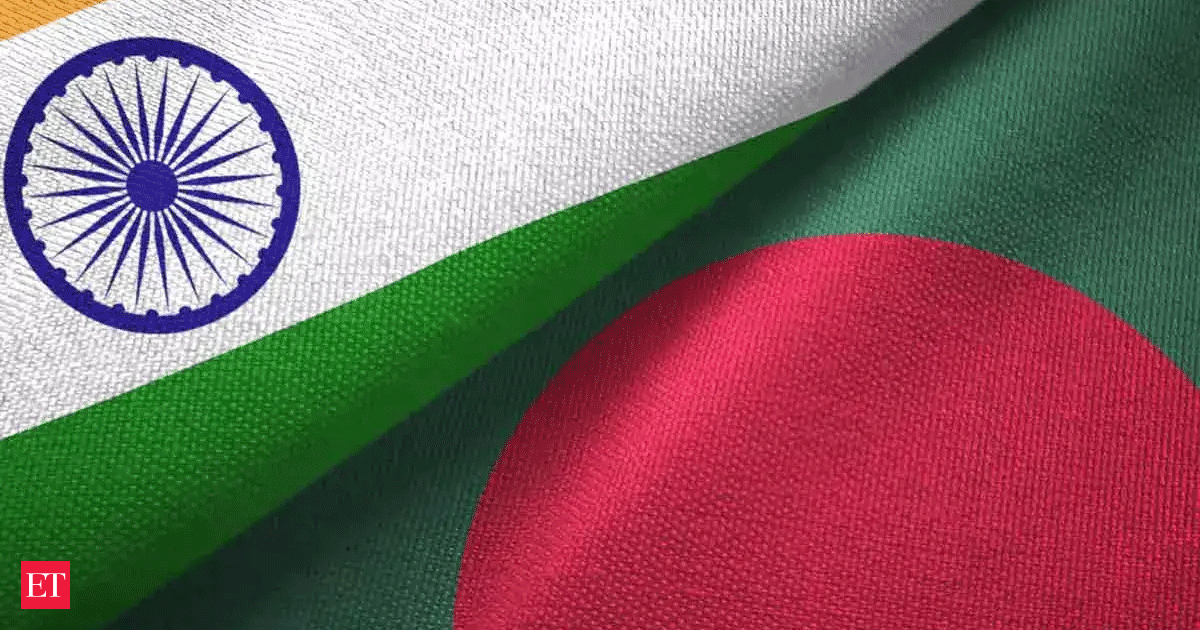
Bangladesh is exploring the use of film festivals and tourism exchanges to reinvigorate bilateral relations with India, particularly in the post-Hasina era. The Bangladeshi High Commissioner to India, M Riaz Hamidullah, highlighted during a meeting with the Merchant Chamber of Commerce that cultural and people-centric exchanges could play a crucial role in refreshing the relationship. Discussions are underway to organize a Bengali film festival in Delhi, although specific details have not been disclosed. This initiative aims to enhance economic engagement, which is projected to surpass USD 35 billion, between the two neighboring countries.
Key Points:
- Bangladesh is leveraging film festivals and tourism exchanges to re-energize bilateral ties with India, especially post-Hasina.
- The Bangladeshi High Commissioner, M Riaz Hamidullah, emphasized the role of cultural and people-centric exchanges in refreshing the relationship.
- Talks are in progress to organize a Bengali film festival in Delhi, though further details are pending.
- The economic engagement between Bangladesh and India is estimated to exceed USD 35 billion.
Actionable Takeaways:
- Film Festival Initiative: The planned Bengali film festival in Delhi could serve as a cultural bridge between Bangladesh and India, fostering people-to-people connections and potentially boosting tourism and cultural exchange. This initiative aligns with current trends in leveraging cultural events to enhance international relations and could set a precedent for similar events in the travel industry.
- Economic Engagement: With bilateral trade between Bangladesh and India projected to exceed USD 35 billion, there is a significant opportunity for increased collaboration in the travel and tourism sectors. This could lead to the development of new travel products, joint marketing campaigns, and enhanced connectivity, benefiting both economies and the travel industry as a whole.
- Cultural Exchange as a Strategic Tool: The emphasis on cultural and people-centric exchanges highlights a strategic shift in diplomatic relations. Such initiatives can be a powerful tool for governments and businesses to build trust and goodwill, which can translate into tangible economic benefits. This approach reflects a broader trend in the travel industry towards experiential and immersive travel experiences that go beyond traditional tourism.
Contextual Insights:
The article reflects a strategic move by Bangladesh to leverage cultural diplomacy as a means to reinvigorate its relationship with India, especially in the post-Hasina phase. This aligns with broader industry trends where cultural and people-centric exchanges are increasingly recognized as vital components of diplomatic and economic strategies. The planned Bengali film festival in Delhi is a concrete example of how cultural events can be harnessed to foster goodwill and open new avenues for economic collaboration. In the context of the travel industry, this underscores the importance of experiential travel and cultural immersion, which are becoming key drivers of tourism growth. As the travel sector continues to evolve, such initiatives could pave the way for innovative partnerships and collaborations, particularly in sectors like travel tech and tourism exchanges. The focus on enhancing bilateral ties through cultural events also highlights the potential for travel startups and fintech solutions to play a role in facilitating smoother travel experiences and transactions between the two countries.
Read the Complete Article.


