
One District, One Destination catalyzes tourism in West Bengal
THE NEWS: West Bengal has launched a “One District, One Destination” policy that will see every district develop and promote...
Read moreDetails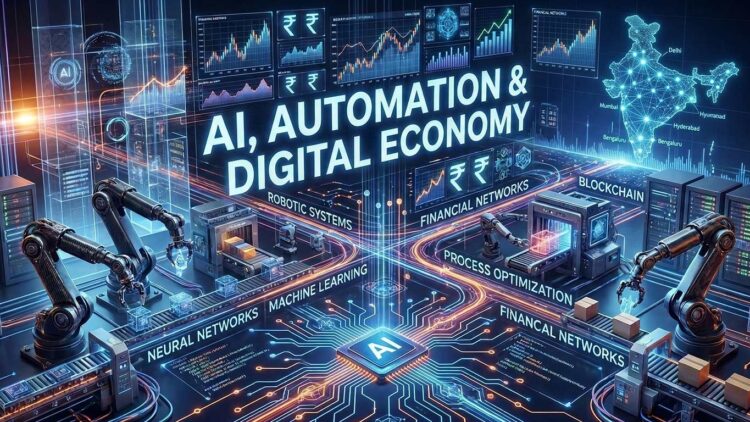
PM Modi Highlights Role Of AI, Care Economy And Tourism In Future Jobs
Comprehensive Summarization:
The article discusses Prime Minister Narendra Modi’s call for accelerating efforts to align India’s education system with the needs of the real-world economy, with a particular emphasis on expanding focus on emerging technologies such as artificial intelligence, automation, and the digital economy. Addressing a post-Budget webinar on the theme ‘Sabka Saath Sabka Vikas- Fulfilling Aspirations of People’, Modi highlighted the importance of linking education, employment, and enterprise. He noted that the National Education Policy 2020 provides a strong framework for designing curricula aligned with market demands, particularly in the context of India’s transition towards an innovation-driven economy. The article also touches on the broader travel industry trends and insights from thought leaders, although specific travel-related details are not explicitly provided in the given text.
Key Points:
Actionable Takeaways:
Enhance Educational Curricula: Educational institutions should prioritize updating their curricula to include courses and training programs focused on emerging technologies such as artificial intelligence, automation, and digital economy skills. This will ensure that graduates are equipped with the necessary skills to meet the demands of a rapidly evolving job market.
Promote Innovation in Education: Policymakers and educational bodies should continue to support and promote innovative teaching methods and technologies that foster creativity, critical thinking, and problem-solving skills among students. This will help in preparing the workforce for future challenges and opportunities in the digital economy.
Focus on Employment and Enterprise Linkages: Strengthening the link between education, employment, and enterprise is crucial. This can be achieved by fostering partnerships between educational institutions, industries, and startups to create internship and job placement opportunities for students. Such collaborations can bridge the gap between theoretical knowledge and practical application, thereby enhancing employability and economic growth.
Contextual Insights:
The article reflects the current state of India’s education system and its alignment with the broader economic and technological trends. The emphasis on emerging technologies such as artificial intelligence, automation, and the digital economy is a direct response to the global shift towards innovation-driven economies. This context is particularly relevant in the travel industry, where digital transformation and technological advancements are rapidly reshaping customer experiences, operational efficiencies, and business models. Thought leaders in the travel sector are increasingly focusing on integrating technology to enhance service delivery, personalize customer interactions, and optimize supply chain management. The actionable takeaways provided in this summary are directly applicable to the travel industry, where continuous adaptation and innovation are key to staying competitive in a rapidly evolving market landscape.
Read the Complete Article.
THE NEWS: West Bengal has launched a “One District, One Destination” policy that will see every district develop and promote...
Read moreDetails
Experience the magic of the Nile aboard Kenzy Dahabeya, a luxury boutique sailing cruise that offers an unforgettable journey between...
Read moreDetails