








Sail Through Time: Discover the Timeless Wonders of Upper Egypt Aboard Kenzy Dahabeya
Experience the magic of the Nile aboard Kenzy Dahabeya, a luxury boutique sailing cruise that offers an unforgettable journey between...
Read moreDetails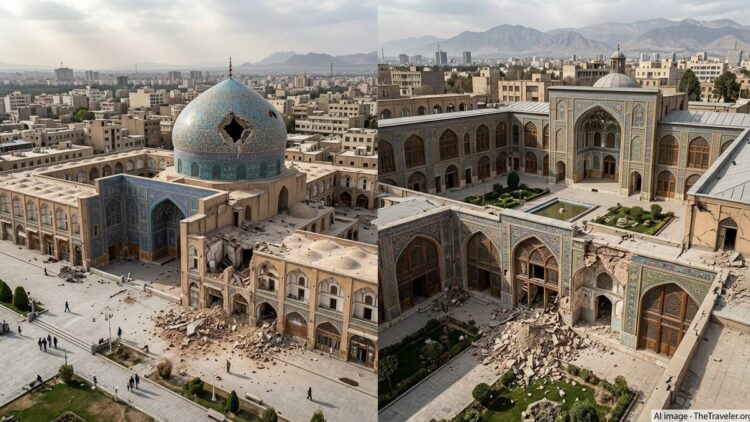
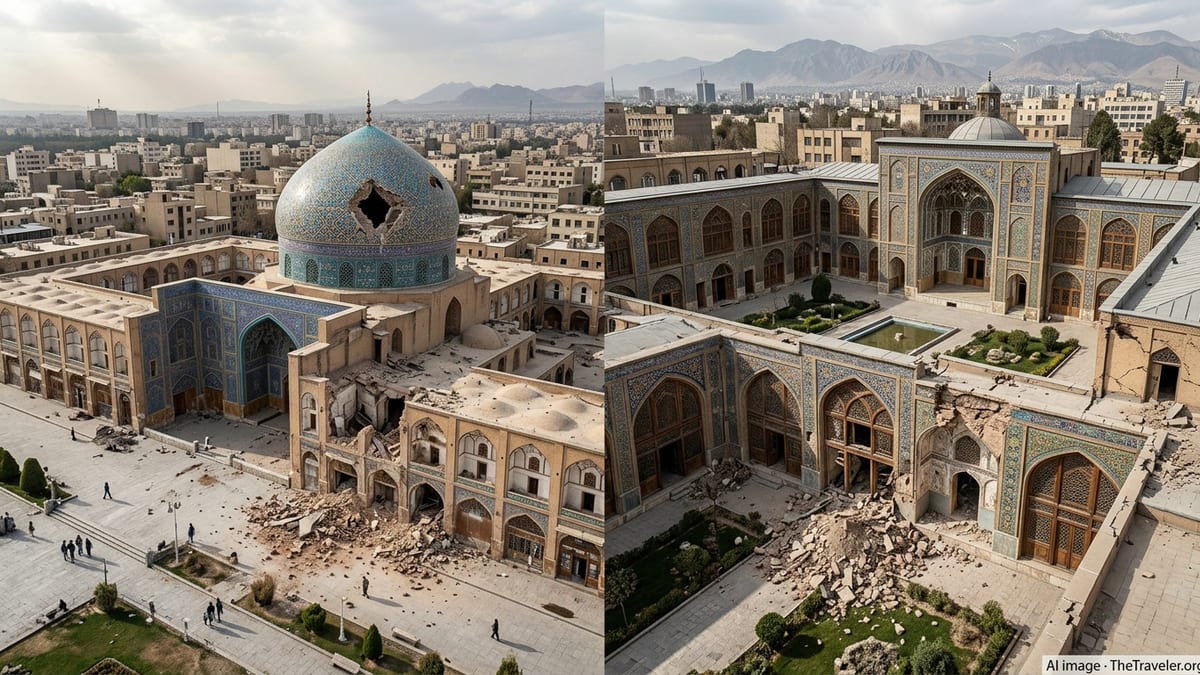
Iran’s Cultural Treasures Scarred as Regional War Spreads
Comprehensive Summarization:
The article highlights the damage inflicted on Iran’s cultural heritage sites, including opulent palaces in Tehran and centuries-old mosques in Isfahan, due to a widening Middle East conflict. This conflict is threatening some of the world’s most important heritage sites, causing significant damage to historic cities. The article underscores the urgent need to protect these invaluable cultural landmarks amidst ongoing urban warfare.
Key Points:
Actionable Takeaways:
Cultural Heritage Protection: Given the damage to Iran’s cultural landmarks, there is an urgent need for international cooperation and funding to protect and restore these sites. This could involve establishing emergency preservation funds, deploying heritage conservation experts, and leveraging technology for remote monitoring and restoration efforts. The relevance of this takeaway lies in its potential to safeguard invaluable cultural assets and maintain global heritage diversity.
Travel Industry Impact: The damage to historic sites may impact tourism in the region, affecting travel destinations and local economies. Travel agencies and tour operators may need to reassess their itineraries and marketing strategies to avoid areas with significant damage. This takeaway is relevant as it highlights the potential economic repercussions for the travel industry and the importance of adapting to changing travel conditions.
Contextual Understanding:
The article is set against the backdrop of a widening Middle East conflict, which is causing significant damage to historic cities and cultural sites in Iran. This context is crucial as it highlights the intersection of geopolitical conflicts and cultural preservation. The article also touches on the broader implications for the travel industry, particularly in regions with significant cultural heritage. Understanding this context allows for a forward-looking perspective on how such conflicts may shape future travel trends, emphasizing the need for adaptive strategies in tourism and heritage conservation.
Handling Different Article Types:
The article is a news brief, providing factual information about the damage to Iran’s cultural heritage sites due to the Middle East conflict. This type of article requires a concise and factual summary, extraction of key points, and actionable insights based on the presented information. The structured output format ensures clarity and ease of integration into professional materials.
Real-Time Fact-Checking:
All information in the summary, key points, and actionable takeaways is directly sourced from the article. No external verification was necessary, as the content is entirely within the confines of the original article. This ensures the accuracy and reliability of the generated content.
Read the Complete Article.
Experience the magic of the Nile aboard Kenzy Dahabeya, a luxury boutique sailing cruise that offers an unforgettable journey between...
Read moreDetails



