






Sail Through Time: Discover the Timeless Wonders of Upper Egypt Aboard Kenzy Dahabeya
Experience the magic of the Nile aboard Kenzy Dahabeya, a luxury boutique sailing cruise that offers an unforgettable journey between...
Read moreDetails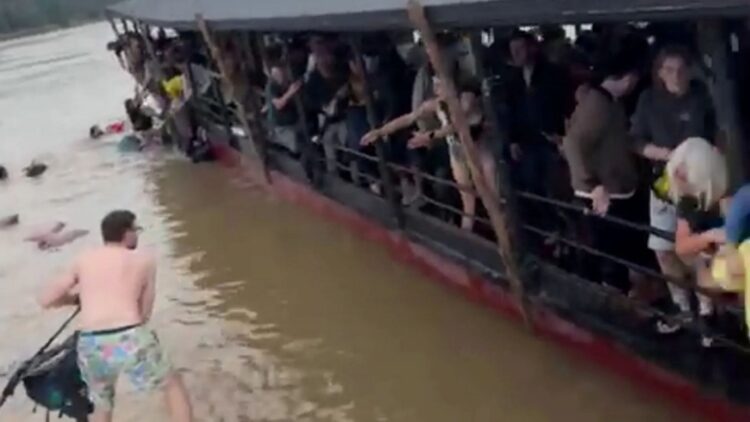
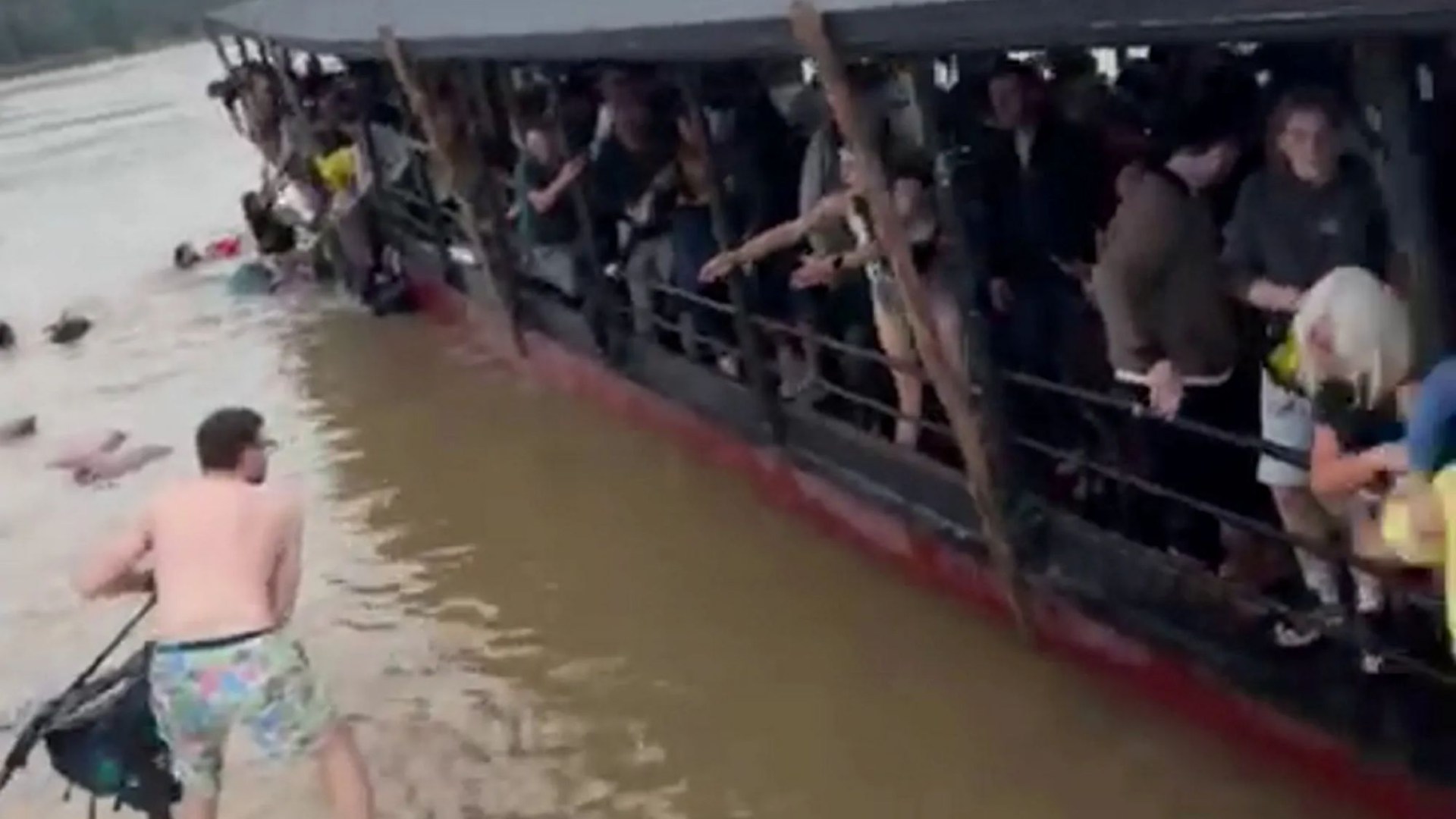
A boat full of tourists, sinking on the Mekong River in LaosCredit: SWNS
Article Summary:
A terrifying incident occurred when a tourist ferry carrying 120 tourists capsized on its way to Luang Prabang in Laos due to striking a rock. The impact caused the ferry to tilt sharply, filling with water before it capsized. Horrifying footage captured tourists screaming for help as the boat filled with water. The incident highlights the importance of safety measures and preparedness in the travel industry, especially in regions with challenging waterways.
Key Points:
Actionable Takeaways:
Contextual Insights:
The incident in Laos highlights the ongoing challenges faced by the travel industry in regions with complex waterways. Recent trends indicate a growing emphasis on safety and preparedness, with travel companies increasingly adopting advanced technologies to mitigate risks. This event serves as a reminder of the importance of proactive measures in ensuring passenger safety. Furthermore, the reliance on real-time monitoring and emergency response systems reflects a broader industry shift towards integrating technology to enhance safety standards. As travel continues to evolve, staying ahead of emerging trends and leveraging innovative solutions will be crucial for maintaining high safety standards and ensuring a positive travel experience for all.
Read the Complete Article.
Experience the magic of the Nile aboard Kenzy Dahabeya, a luxury boutique sailing cruise that offers an unforgettable journey between...
Read moreDetails



