



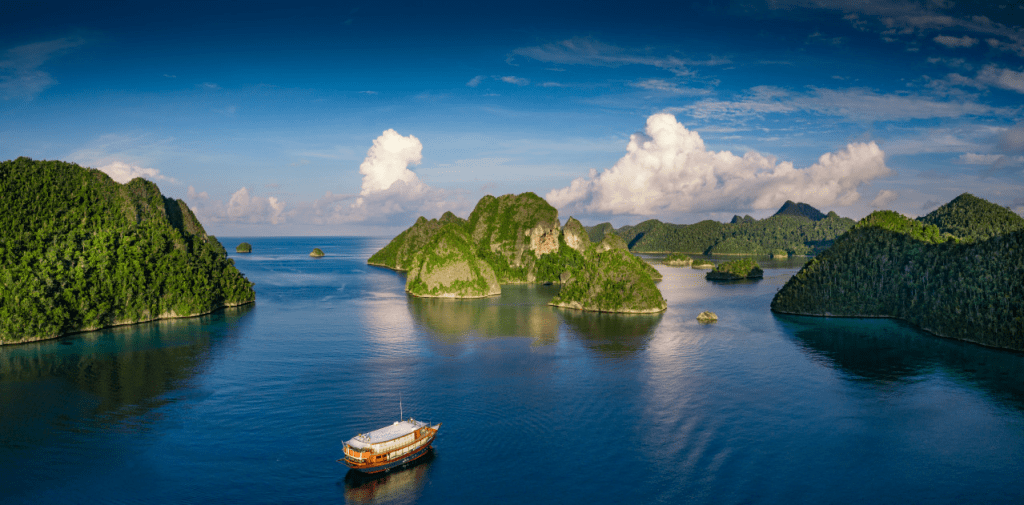


Sail Through Time: Discover the Timeless Wonders of Upper Egypt Aboard Kenzy Dahabeya
Experience the magic of the Nile aboard Kenzy Dahabeya, a luxury boutique sailing cruise that offers an unforgettable journey between...
Read moreDetails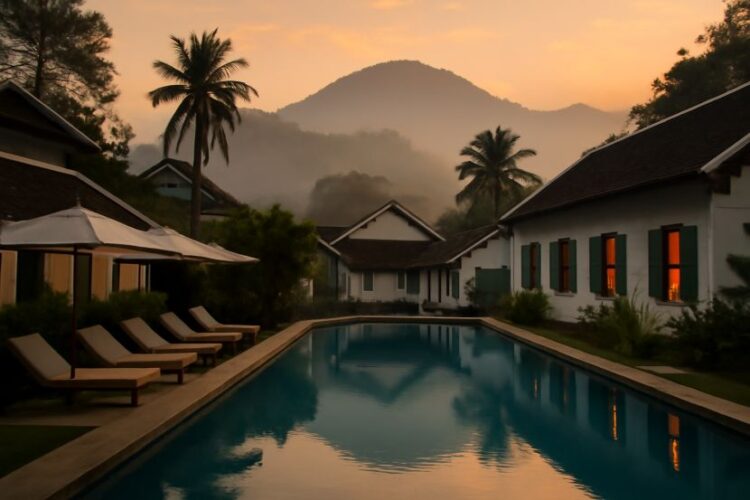
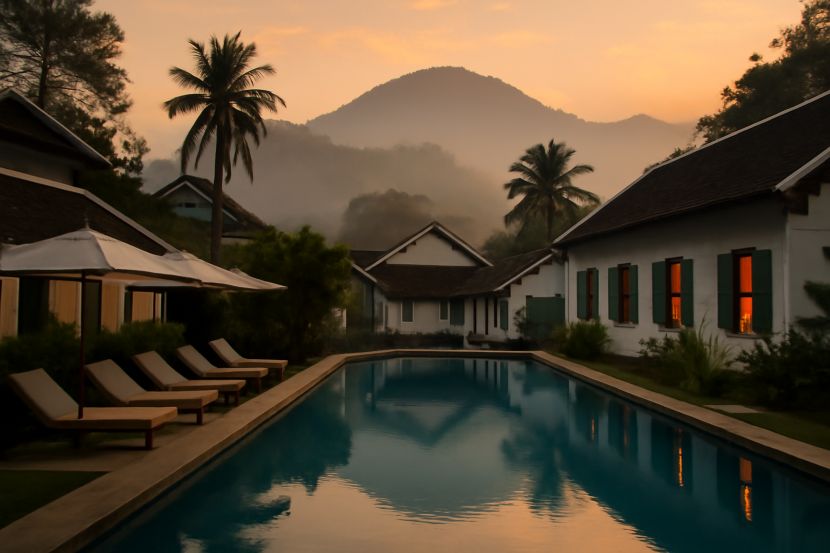
Luang Prabang: Balancing Growth With Sustainability
Article Summary:
The article discusses the challenges faced by Luang Prabang, a UNESCO World Heritage site in Laos, in balancing tourism growth with environmental sustainability. As a popular destination known for its stunning colonial architecture, temples, and cultural diversity, Luang Prabang is experiencing ecological degradation due to increased tourist activity. The primary concerns highlighted are deforestation and environmental degradation, with the site losing approximately 9% of its natural resources per new tourist influx. The article emphasizes the need for sustainable tourism practices to preserve the site’s fragile natural resources and maintain its unique charm.
Key Points:
Actionable Takeaways:
Implement Sustainable Tourism Practices: To mitigate the environmental impact of increased tourism, Luang Prabang should adopt and promote sustainable tourism practices. This could include limiting the number of tourists allowed daily, promoting eco-friendly transportation options, and encouraging visitors to engage in activities that have minimal environmental footprint. Relevance: Ensures the preservation of Luang Prabang’s natural resources and enhances the long-term appeal of the destination as a tourist destination.
Invest in Ecological Restoration Projects: The article emphasizes the loss of natural resources due to tourism. Investing in ecological restoration projects, such as reforestation efforts and habitat conservation, can help restore the balance between tourism and environmental sustainability. Relevance: Directly addresses the ecological challenges faced by Luang Prabang and supports the long-term viability of tourism in the region.
Promote Cultural and Environmental Education: Educating tourists about the cultural and environmental significance of Luang Prabang can foster a greater appreciation for the destination and encourage responsible travel behavior. This could involve guided tours, informational signage, and partnerships with local conservation organizations. Relevance: Enhances the visitor experience while promoting awareness and respect for the local environment and culture.
Contextual Insights:
The article reflects current industry trends focusing on sustainable tourism and the need for destinations to balance economic growth with environmental preservation. As travel becomes increasingly popular, destinations like Luang Prabang face the challenge of managing growth without compromising ecological integrity. The emphasis on sustainable practices aligns with broader industry movements towards eco-tourism and responsible travel. Thought leaders in the travel industry are increasingly advocating for innovative solutions that integrate technology and policy to mitigate environmental impacts. For instance, advancements in digital platforms can facilitate the promotion of sustainable travel options, while fintech innovations can support eco-friendly tourism initiatives through green financing and carbon offsetting programs. By adopting these insights, Luang Prabang can position itself as a leader in sustainable tourism, setting a precedent for other destinations to follow.
Read the Complete Article.
Experience the magic of the Nile aboard Kenzy Dahabeya, a luxury boutique sailing cruise that offers an unforgettable journey between...
Read moreDetails



