
![[UPDATED] 17 Malaysians among 291 foreign nationals reported missing after Nepal floods](https://images.traveltrade.today/wp-content/uploads/2026/08/17-Malaysians-and-274-Others-are-Missing-After-Nepal-Floods.jpg)






Sail Through Time: Discover the Timeless Wonders of Upper Egypt Aboard Kenzy Dahabeya
Experience the magic of the Nile aboard Kenzy Dahabeya, a luxury boutique sailing cruise that offers an unforgettable journey between...
Read moreDetails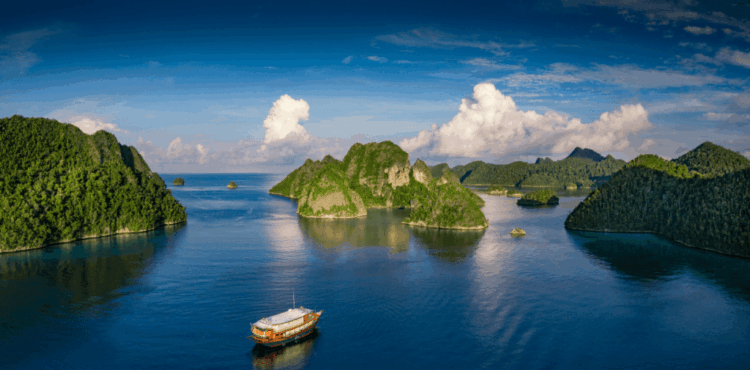
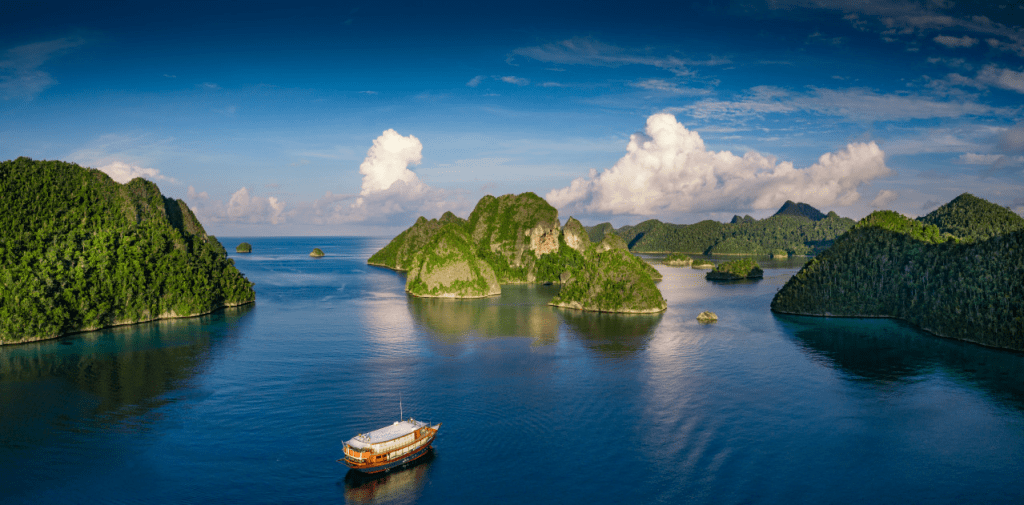
Photo Credit: A view during an excursion in Indonesia. Rascal Voyages
THE NEWS: Rascal differentiates itself by prioritizing agency over opulence, treating the vessel as mere infrastructure while offering privileged access to remote destinations and the freedom to change course, opt out, or enjoy solitude, targeting post‑luxury travelers who value experience over hardware. Its service culture, which rejects “performative luxury” in favor of restrained, context‑aware hospitality and relies on consistent judgment rather than rigid SOPs, is positioned as the brand’s core moat.
DETAILS:
FAQ
Read Original Article.
Experience the magic of the Nile aboard Kenzy Dahabeya, a luxury boutique sailing cruise that offers an unforgettable journey between...
Read moreDetails



