



Sail Through Time: Discover the Timeless Wonders of Upper Egypt Aboard Kenzy Dahabeya
Experience the magic of the Nile aboard Kenzy Dahabeya, a luxury boutique sailing cruise that offers an unforgettable journey between...
Read moreDetails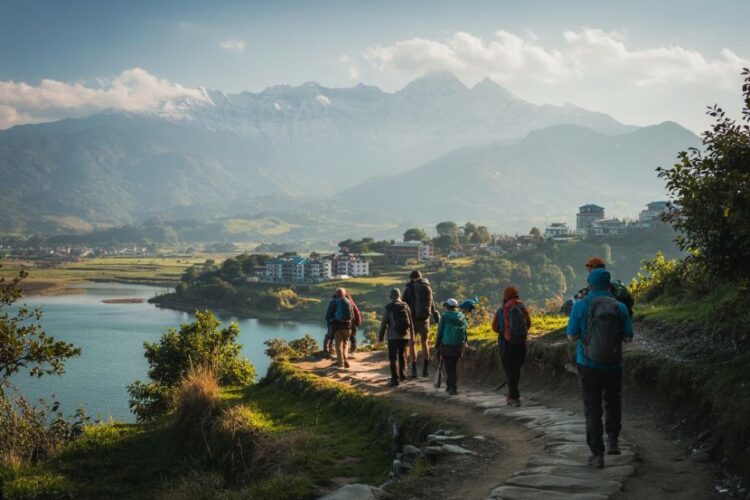
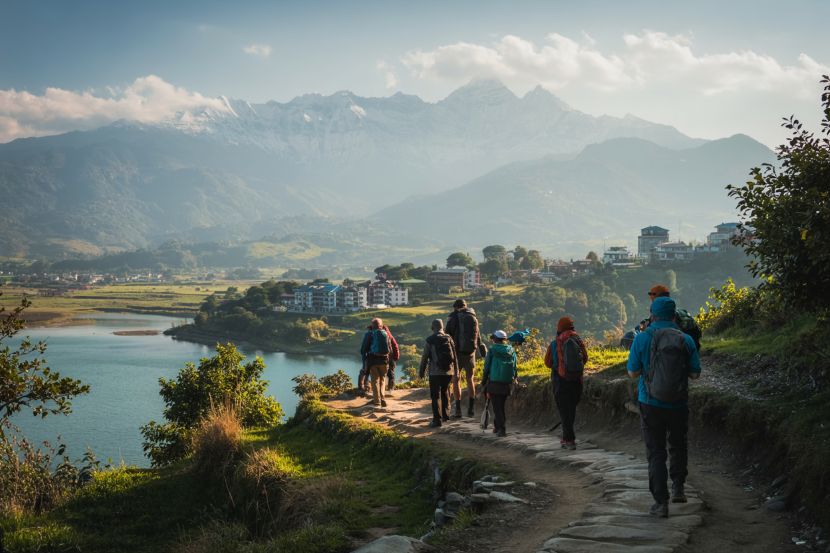
Impact of Nepal’s General Election on Tourism: How Bookings in Pokhara and Popular Trekking Destinat...
Comprehensive Summarization:
The article discusses the significant impact of Nepal’s upcoming general elections, scheduled for March 5, 2026, on the country’s tourism sector, particularly in popular destinations like Pokhara. As the election approaches, there is a notable decline in tourism activity, characterized by cancellations and postponed bookings. This uncertainty among potential visitors is adversely affecting the tourism industry, which is typically preparing for its busiest season. The article highlights the challenges faced by the tourism sector during this period of political uncertainty and the broader implications for Nepal’s travel industry.
Key Points:
Actionable Takeaways:
Contextual Insights:
The article’s context is deeply rooted in the current political climate of Nepal, where the general elections are a major event that can influence public sentiment and travel behavior. The tourism sector in Nepal is typically buoyant during the months leading up to the elections, as both domestic and international tourists plan their visits. However, the uncertainty surrounding the election date and potential political instability can lead to a cautious approach among travelers. This situation underscores the importance of adaptability in the travel industry, particularly in regions heavily reliant on tourism. Furthermore, the article highlights the broader trend of political events impacting global tourism, a theme that is increasingly relevant as political climates around the world become more volatile. For travel startups and fintech companies, this presents an opportunity to innovate in areas such as flexible payment options and risk management tools to support travelers during politically uncertain periods.
Read the Complete Article.
Experience the magic of the Nile aboard Kenzy Dahabeya, a luxury boutique sailing cruise that offers an unforgettable journey between...
Read moreDetails



