








Sail Through Time: Discover the Timeless Wonders of Upper Egypt Aboard Kenzy Dahabeya
Experience the magic of the Nile aboard Kenzy Dahabeya, a luxury boutique sailing cruise that offers an unforgettable journey between...
Read moreDetails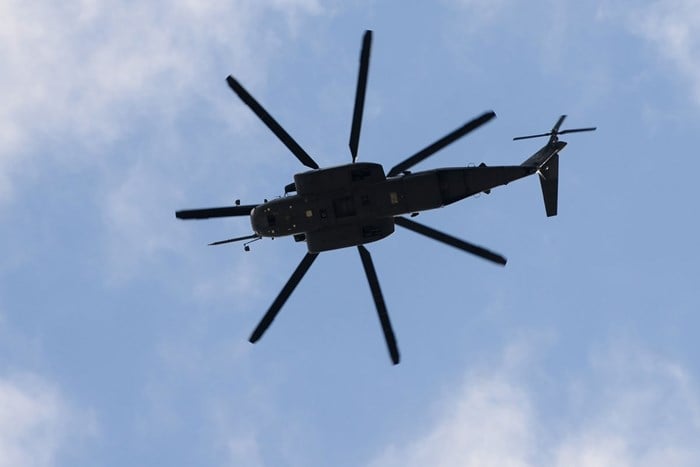
Private helicopters to boost mountain tourism in Pakistan - Pakistan Today
Comprehensive Summarization:
The article announces a significant development in Pakistan’s travel sector, allowing private helicopters to operate in the country’s mountain regions. This decision aims to enhance accessibility for tourists and climbers, thereby strengthening high-altitude rescue operations. The initiative is expected to boost mountain tourism by making it easier for both local and international visitors to reach some of Pakistan’s most challenging and scenic peaks. The move is part of broader efforts to leverage travel technology and innovation to improve tourism infrastructure and safety in remote areas.
Key Points:
Actionable Takeaways:
Enhanced Accessibility for Tourism: The allowance of private helicopters in Pakistan’s mountain regions will significantly improve accessibility for tourists and climbers. This development is likely to attract more visitors to the country’s scenic peaks, thereby boosting mountain tourism. For travel companies and tourism boards, this presents an opportunity to develop new tourism packages and services catering to high-altitude travel, potentially increasing revenue and market share.
Strengthened Rescue Operations: By facilitating easier access to remote mountain regions, the initiative is expected to enhance high-altitude rescue operations. This improvement in rescue capabilities can serve as a strong selling point for adventure tourism, assuring potential visitors of their safety. For travel startups and fintech companies, this could be a catalyst for developing innovative travel insurance and emergency response solutions tailored for high-altitude tourism, addressing the growing demand for safety and security in such ventures.
Integration of Travel Technology: The decision to allow private helicopters aligns with the broader trend of integrating advanced travel technology into the tourism sector. This move underscores the importance of leveraging technology to enhance travel experiences and safety. Travel companies and startups should explore partnerships with aviation firms and technology providers to develop integrated solutions that enhance the travel experience, from booking to on-ground operations. This could include developing mobile apps for real-time navigation, weather updates, and emergency assistance, leveraging the latest in GPS, AI, and IoT technologies.
Contextual Insights:
The article’s context is deeply rooted in the ongoing evolution of the travel industry, particularly in remote and high-altitude tourism. Recent trends indicate a growing interest in adventure tourism, with travelers seeking unique and challenging experiences. The decision to permit private helicopters in Pakistan’s mountain regions is a strategic response to this trend, reflecting a broader industry shift towards enhancing accessibility and safety in remote travel destinations.
Moreover, the article aligns with current discussions on the role of travel technology in transforming the tourism sector. Innovations such as private helicopters represent a significant step forward in leveraging technology to overcome logistical challenges associated with remote travel. This development is likely to inspire further innovations in travel logistics, safety, and customer experience, as the industry continues to adapt to the demands of modern travelers.
In the context of travel startups and fintech, the initiative highlights the potential for new business models and services. As travel becomes more accessible and safer, there is an increasing opportunity for startups to develop specialized services, such as travel insurance, emergency response systems, and personalized travel planning tools. These innovations can cater to the evolving needs of adventure tourists, providing them with the confidence and convenience they seek in high-altitude travel experiences.
Overall, the article underscores the importance of strategic policy decisions in driving the growth of niche tourism sectors. By addressing key challenges such as accessibility and safety, Pakistan’s mountain regions can emerge as a prominent destination for adventure tourism, attracting a diverse range of travelers and fostering economic growth in the region.
Read the Complete Article.
Experience the magic of the Nile aboard Kenzy Dahabeya, a luxury boutique sailing cruise that offers an unforgettable journey between...
Read moreDetails



