










Sail Through Time: Discover the Timeless Wonders of Upper Egypt Aboard Kenzy Dahabeya
Experience the magic of the Nile aboard Kenzy Dahabeya, a luxury boutique sailing cruise that offers an unforgettable journey between...
Read moreDetails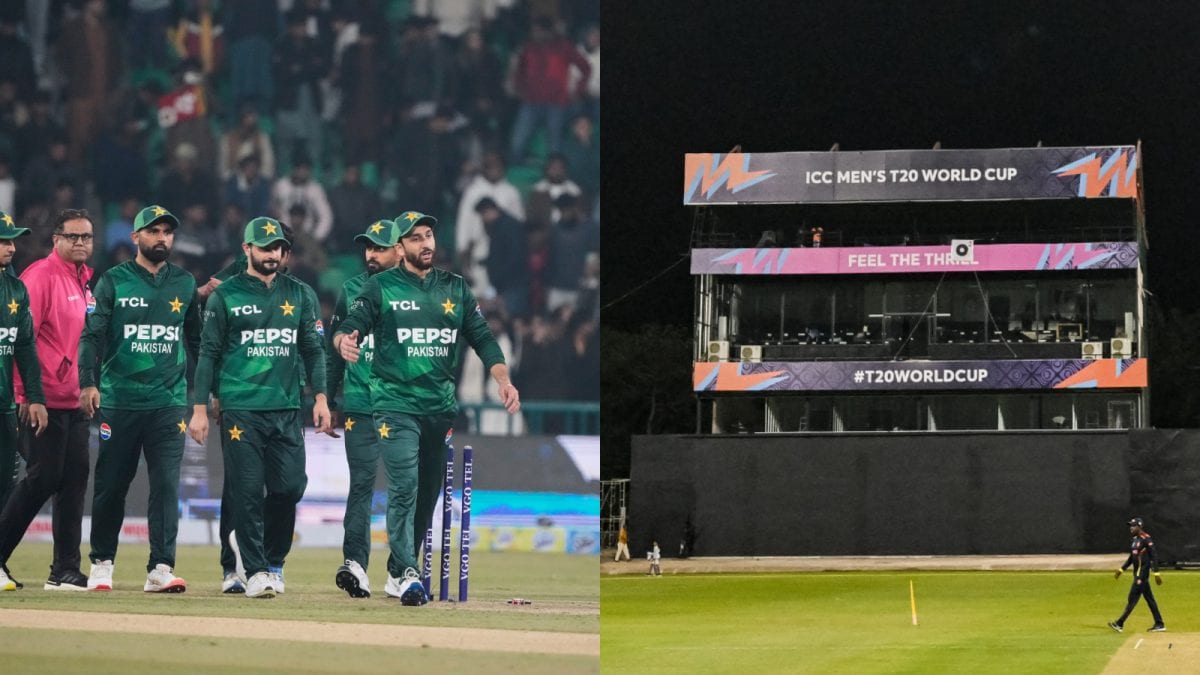
Boycott Storm Over India Vs Pakistan Match Could Batter Sri Lanka Tourism, SLC May Approach ICC | Cr...
Comprehensive Summarization:
The article discusses Pakistan’s decision to withdraw from playing India in Colombo for the ICC Men’s T20 World Cup on February 15, 2026. This move has raised concerns about potential economic losses for Sri Lanka, particularly in tourism and the Sri Lankan Cricket (SLC) sector. The International Cricket Council (ICC) statement has triggered uncertainty in the cricket world, with the impact possibly extending beyond the sport itself. The article highlights the significant sporting implications of this decision and the potential ripple effects on the economy, especially in Sri Lanka’s capital, Colombo.
Key Points:
Actionable Takeaways:
Economic Impact on Sri Lanka: The cancellation of the India-Pakistan match could lead to significant economic losses for Sri Lanka, particularly in tourism and the SLC sector. This highlights the interconnectedness of sports events and local economies, emphasizing the need for stakeholders to consider the broader economic implications of such decisions.
Broader Implications for Cricket Events: The decision underscores the sensitivity of cricket events, especially those involving India and Pakistan, which are traditionally high-profile and attract massive global audiences. This could prompt cricket boards and organizers to reassess the scheduling and logistics of such matches to mitigate potential economic risks.
Contextual Insights:
The cancellation of the India-Pakistan match in Colombo is a significant event in the context of the ongoing ICC Men’s T20 World Cup. It highlights the delicate balance cricket boards must maintain between maintaining the excitement and prestige of the sport and managing the economic and logistical risks associated with high-profile matches. The article also reflects the broader trend of how geopolitical tensions can influence sports events and their economic impacts. In the context of travel and tourism, such events underscore the importance of diversifying revenue streams and developing contingency plans to mitigate risks associated with geopolitical uncertainties. This situation also points to the growing importance of travel tech solutions in managing and mitigating risks in the travel industry, particularly in regions where geopolitical tensions are prevalent.
Read the Complete Article.
Experience the magic of the Nile aboard Kenzy Dahabeya, a luxury boutique sailing cruise that offers an unforgettable journey between...
Read moreDetails



