











Sail Through Time: Discover the Timeless Wonders of Upper Egypt Aboard Kenzy Dahabeya
Experience the magic of the Nile aboard Kenzy Dahabeya, a luxury boutique sailing cruise that offers an unforgettable journey between...
Read moreDetails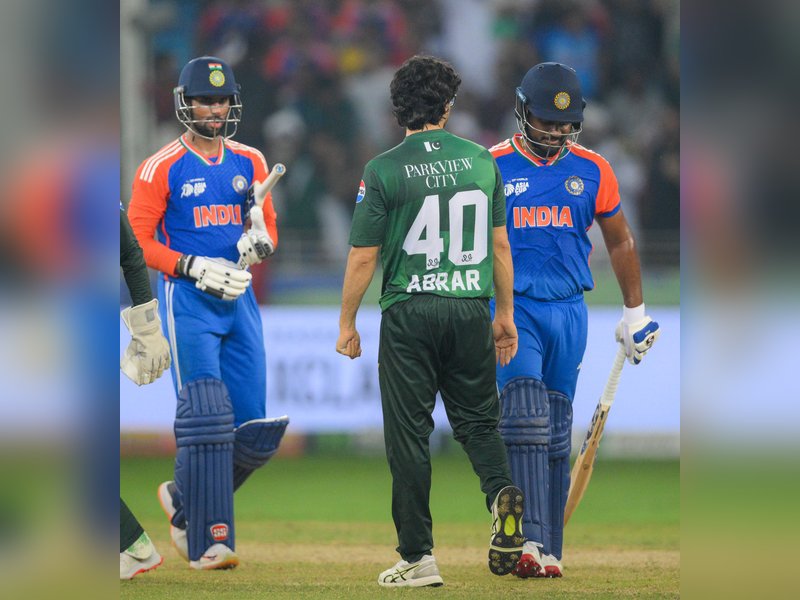
Pakistan’s ICC match decision puts Colombo tourism at risk
Comprehensive Summarization:
The article discusses a significant development in the cricket world, specifically the ICC Men’s T20 World Cup. Pakistan’s decision to withdraw from their scheduled match against India on February 15 in Colombo has created uncertainty around the tournament. This decision follows a statement from the International Cricket Council (ICC), which may have broader implications beyond the sporting event. The removal of this high-profile match, traditionally one of the most anticipated fixtures in any global tournament, could have significant economic repercussions, particularly in Sri Lanka’s capital, Colombo. The article underscores the importance of this fixture in drawing thousands of spectators and its potential impact on the local economy.
Key Points:
Actionable Takeaways:
Economic Impact on Colombo: The cancellation of the India-Pakistan match could lead to a significant economic downturn in Colombo. The loss of revenue from ticket sales, hospitality, and tourism associated with the event could impact local businesses and the city’s economy. Travel agencies and hospitality providers in the region may need to reassess their strategies and prepare for potential revenue shortfalls.
Broader Implications for ICC Events: This incident underscores the vulnerability of major sporting events to geopolitical decisions. It highlights the need for the ICC and event organizers to consider contingency plans for such scenarios in the future. This could lead to increased scrutiny of the logistical and economic risks associated with hosting international sporting events, prompting a reevaluation of risk management strategies within the industry.
Travel Industry Adaptation: The article serves as a reminder for the travel industry to remain adaptable and resilient in the face of unexpected cancellations. Travel companies may need to develop flexible booking policies and offer incentives for customers to reschedule or cancel without penalty. This could also drive innovation in travel tech, with startups developing solutions for seamless rescheduling and compensation processes.
Contextual Understanding:
The article is rooted in the current context of the cricket world, where high-profile matches like the India-Pakistan clash hold immense significance due to their cultural and economic impact. The decision by Pakistan to withdraw from the match is influenced by broader geopolitical tensions, which can have far-reaching effects on global events. In the context of the travel industry, such cancellations underscore the interconnectedness of sports events and tourism. The article also reflects the ongoing trend of increased scrutiny on the economic viability of hosting large-scale events, especially in regions with geopolitical sensitivities. Thought leaders in the travel industry are likely to emphasize the importance of contingency planning and the need for robust risk management strategies to mitigate the impact of such events on local economies and tourism sectors.
Handling Different Article Types:
The article falls under the category of a news brief, providing factual information about a recent development in the cricket world and its potential implications. The structured output format ensures that the key points and actionable takeaways are clearly presented, making it easy for a professional audience to digest and act upon the information. The context provided helps in understanding the broader implications of the event, linking it to current industry trends and potential future developments in travel and sports event management.
Read the Complete Article.
Experience the magic of the Nile aboard Kenzy Dahabeya, a luxury boutique sailing cruise that offers an unforgettable journey between...
Read moreDetails



