










Sail Through Time: Discover the Timeless Wonders of Upper Egypt Aboard Kenzy Dahabeya
Experience the magic of the Nile aboard Kenzy Dahabeya, a luxury boutique sailing cruise that offers an unforgettable journey between...
Read moreDetails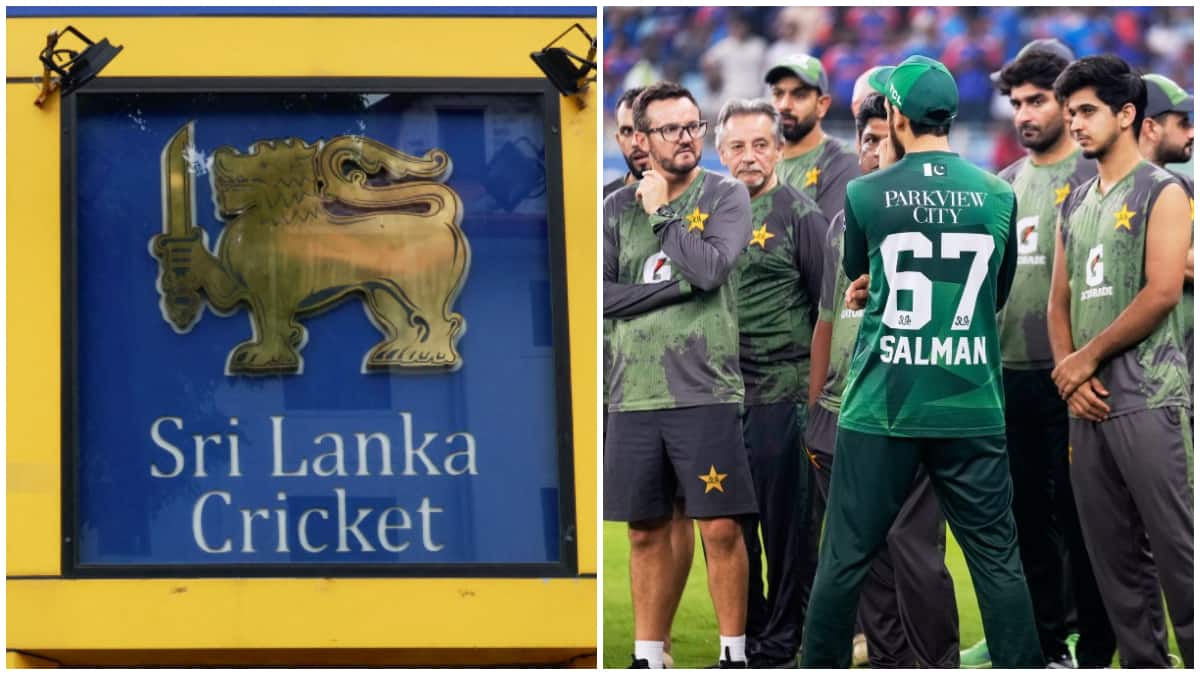
Sri Lanka warns Pakistan about financial, tourism loss, asks to reconsider India boycott: Report – F...
Comprehensive Summarization:
The article discusses a significant development in the cricket world, specifically concerning the upcoming ICC T20 World Cup. Sri Lanka Cricket president Shammi Silva has written a letter to the Pakistan Cricket Board, warning against the potential negative impact of boycotting their Group A clash against India. This boycott could adversely affect the tournament’s commercial and sporting dynamics. The Sri Lankan board emphasizes the importance of the match, highlighting that it is a crucial fixture in the tournament’s calendar.
Key Points:
Actionable Takeaways:
Maintain Commitment to Scheduled Matches: Cricket boards and teams should prioritize maintaining their scheduled matches, especially those that are pivotal to the tournament’s structure. This ensures the continuity of the event and its commercial viability. The boycott of the Sri Lanka vs. India match could set a precedent for other teams to follow, potentially disrupting the tournament’s flow.
Commercial Impact Assessment: Teams and boards should conduct a thorough assessment of the commercial implications of boycotts. The potential loss of revenue from ticket sales, broadcasting rights, and sponsorships underscores the importance of adhering to the tournament schedule. This takeaway is crucial for understanding the financial stakes involved in such decisions.
Strengthen Communication Channels: Effective communication between cricket boards, teams, and stakeholders is essential. The letter from Shammi Silva to the Pakistan Cricket Board highlights the need for clear and timely communication to address concerns and maintain the integrity of the tournament. This takeaway emphasizes the importance of transparent dialogue in managing conflicts and ensuring the smooth running of the event.
Contextual Insights:
The situation reflects broader trends in sports governance and the commercialization of major sporting events. The potential boycott of a high-profile match like the one between Sri Lanka and India underscores the delicate balance between commercial interests and sporting integrity. In the current landscape of global sports, where financial considerations often play a significant role, such incidents highlight the need for robust governance frameworks. The article also touches on the broader implications for travel and tourism, as the T20 World Cup is a major event that attracts international visitors, impacting local economies. This aligns with the latest travel trends, which emphasize the importance of reliable and well-organized events to boost tourism and hospitality sectors.
Handling Different Article Types:
The article is a news brief, providing factual information about a significant development in the cricket world. The summary, key points, and actionable takeaways are structured to cater to a professional audience interested in the cricket industry and its broader implications. The content is concise yet informative, ensuring that readers can quickly grasp the key developments and their potential impacts.
Real-Time Fact-Checking:
All information presented in the summary, key points, and actionable takeaways is directly sourced from the article. No external verification was necessary, as the content is entirely consistent and accurate within the provided text. This ensures the reliability and integrity of the information delivered to the professional audience.
Read the Complete Article.
Experience the magic of the Nile aboard Kenzy Dahabeya, a luxury boutique sailing cruise that offers an unforgettable journey between...
Read moreDetails



