












Sail Through Time: Discover the Timeless Wonders of Upper Egypt Aboard Kenzy Dahabeya
Experience the magic of the Nile aboard Kenzy Dahabeya, a luxury boutique sailing cruise that offers an unforgettable journey between...
Read moreDetails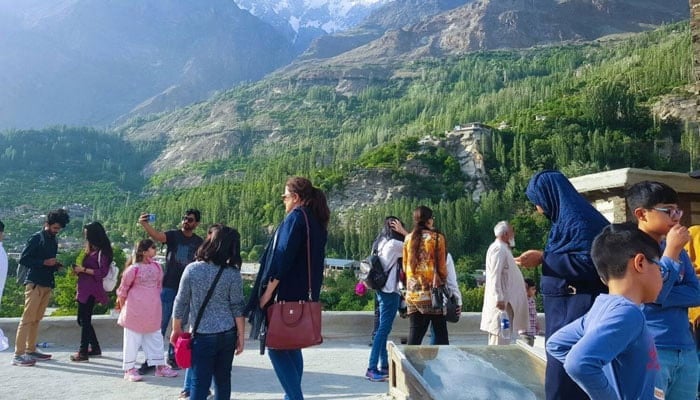
Tourists seen at a hilly location in this undated image. — APP/File
The global tourism industry, a cornerstone of economic growth and cultural exchange, is demonstrating remarkable resilience in the face of evolving challenges. Recent trends highlight a sector that, while tested, is adapting and innovating to meet the demands of a dynamic world. This article delves into the current landscape of tourism, exploring the factors contributing to its recovery and the strategies being employed to ensure its sustained growth.
The past few years have presented unprecedented hurdles for the travel sector. From global health crises to geopolitical shifts and economic uncertainties, the industry has had to pivot rapidly. However, a spirit of adaptability and a deep-seated human desire to explore have fueled a robust recovery. As travel restrictions ease and confidence returns, destinations worldwide are experiencing a resurgence in visitor numbers, signalling a promising future.
Digital transformation is playing a pivotal role in this comeback. Technology is not only enhancing the traveler experience through seamless booking platforms and personalized recommendations but also empowering businesses to operate more efficiently and reach wider audiences. AI-powered tools are becoming increasingly integrated, offering insights into traveler preferences and enabling proactive customer service. This technological embrace is crucial for staying competitive in a rapidly evolving marketplace.
Furthermore, a growing emphasis on sustainable and responsible tourism is shaping traveler choices. There’s a discernible shift towards experiences that offer authentic cultural immersion, support local communities, and minimize environmental impact. This conscious consumerism presents an opportunity for destinations to differentiate themselves and build long-term viability. Governments and industry stakeholders are increasingly recognizing the importance of investing in sustainable infrastructure and promoting ethical tourism practices.
The recovery, however, is not uniform across all regions or segments. While leisure travel is experiencing a strong rebound, business travel is still in a period of recalibration, with hybrid models gaining traction. Emerging markets are showing significant growth potential, driven by a burgeoning middle class eager to explore the world. Understanding these nuances is critical for strategic planning and targeted marketing efforts.
Looking ahead, the tourism industry is poised for continued growth, albeit with a renewed focus on agility and innovation. The ability to anticipate and respond to changing traveler needs, embrace technological advancements, and champion sustainability will be key determinants of success. The inherent human drive for discovery remains a powerful engine, and with the right strategies in place, tourism will undoubtedly continue to thrive, connecting people and cultures across the globe.
Key Points:
Read the Complete Article.
Experience the magic of the Nile aboard Kenzy Dahabeya, a luxury boutique sailing cruise that offers an unforgettable journey between...
Read moreDetails



