Singapore welcomes over 600,000 Indian visitors in H1 2026
THE NEWS: Singapore welcomed more than 600,000 Indian visitors in the first half of 2026, reinforcing its role as a...
Read moreDetailsEvery alert that matters — when it happens.
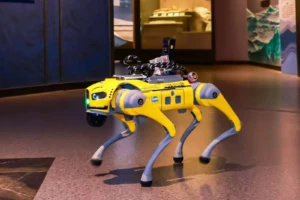
Comprehensive Summarization:
The article announces a pilot program set to run from April 18 to May 17, 2026, introducing robotic guide units, known as “robodogs,” at Sentosa Sensoryscape, Exploria, and Curiosity Cove at Mandai Wildlife Reserve. These robodogs, equipped with artificial intelligence and travel content from Mafengwo’s platform, are designed to provide real-time assistance and curated information in English and Mandarin. The primary goal is to enhance visitor experiences by guiding tourists through various attractions, gathering preferences, and recommending personalized attractions. The initiative represents a significant step in integrating AI-driven technologies into the travel industry, aiming to offer more interactive and personalized experiences for visitors.
Key Points:
Actionable Takeaways:
Enhanced Visitor Engagement: The introduction of robodogs represents a forward-thinking approach to enhancing visitor engagement through AI-driven personalization. Travel operators can leverage this technology to offer tailored experiences, potentially increasing visitor satisfaction and loyalty. This innovation could set a new standard for interactive tourism, encouraging other destinations to adopt similar AI solutions.
Market Differentiation: By integrating AI-driven robotic guides, Sentosa and Mandai Wildlife Reserve can differentiate themselves in a competitive travel market. This move highlights the importance of adopting cutting-edge technologies to meet evolving traveler expectations for personalized and immersive experiences. For travel startups and established operators, investing in AI technologies could be a strategic move to stand out and attract tech-savvy travelers.
Scalability and Future Expansion: The success of this pilot program could pave the way for broader adoption of similar technologies across other travel destinations. The scalability of AI-driven guide units suggests potential for expansion into other regions or themes, such as historical sites or cultural landmarks. Travel companies should consider the long-term potential of AI technologies in enhancing operational efficiency and visitor experiences, positioning themselves as leaders in innovation within the industry.
Contextual Insights:
The introduction of robotic guide units at Sentosa and Mandai Wildlife Reserve aligns with the broader trend of integrating artificial intelligence into the travel industry. As travelers increasingly seek personalized and efficient experiences, AI technologies offer a solution to meet these demands. This initiative reflects the growing importance of AI in travel, where automation and data-driven personalization are becoming standard expectations. Furthermore, the use of multiple languages (English and Mandarin) underscores the global reach and inclusivity of modern travel experiences, catering to a diverse international audience.
In the context of current industry trends, the focus on AI-driven personalization is indicative of a shift towards more sophisticated and interactive travel solutions. Experts predict that such technologies will continue to evolve, offering deeper insights and more nuanced interactions with visitors. The success of this pilot program could inspire further innovations in travel tech, such as enhanced AI-driven recommendations, real-time language translation, and adaptive learning algorithms that improve over time based on visitor feedback.
Handling Different Article Types:
The article in question is a news blurb, providing factual information about a new technological initiative in the travel industry. The structured output format ensures that the key points and actionable takeaways are clearly delineated, making the information easily digestible for a professional audience. The contextual insights provided offer a forward-looking perspective, aligning the article’s content with broader industry trends and expert opinions on the role of AI in travel. This approach ensures that the output is not only informative but also strategically relevant for readers interested in the future of travel technology.
Read the Complete Article.
THE NEWS: Singapore welcomed more than 600,000 Indian visitors in the first half of 2026, reinforcing its role as a...
Read moreDetails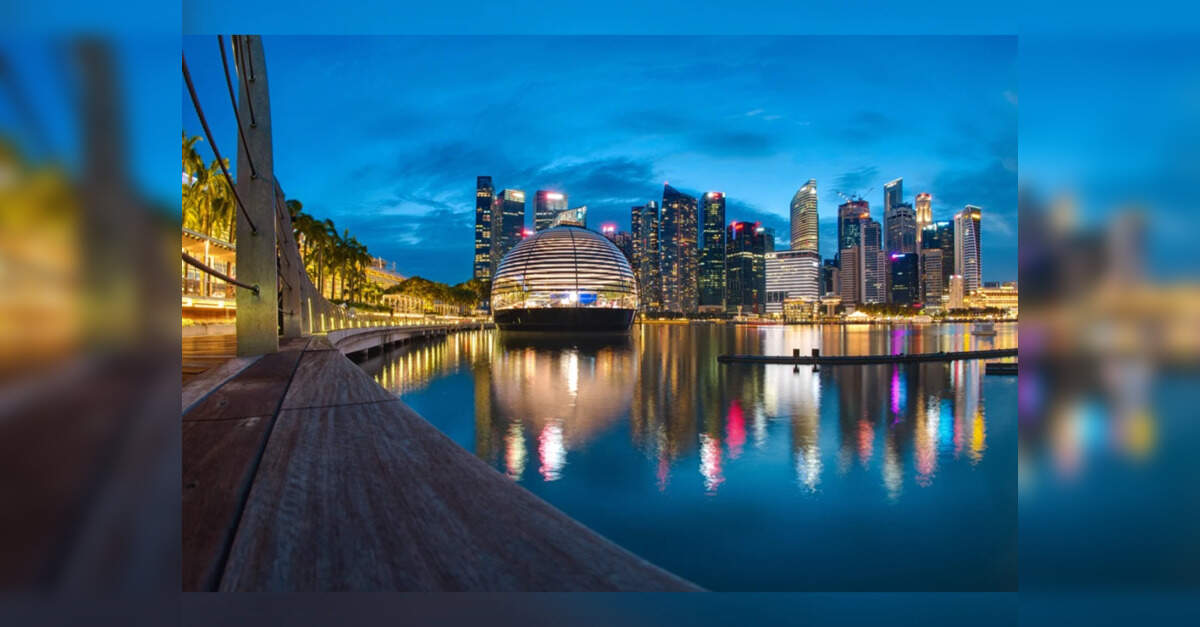
Experience the magic of the Nile aboard Kenzy Dahabeya, a luxury boutique sailing cruise that offers an unforgettable journey between...
Read moreDetails