












Comprehensive Summarization:
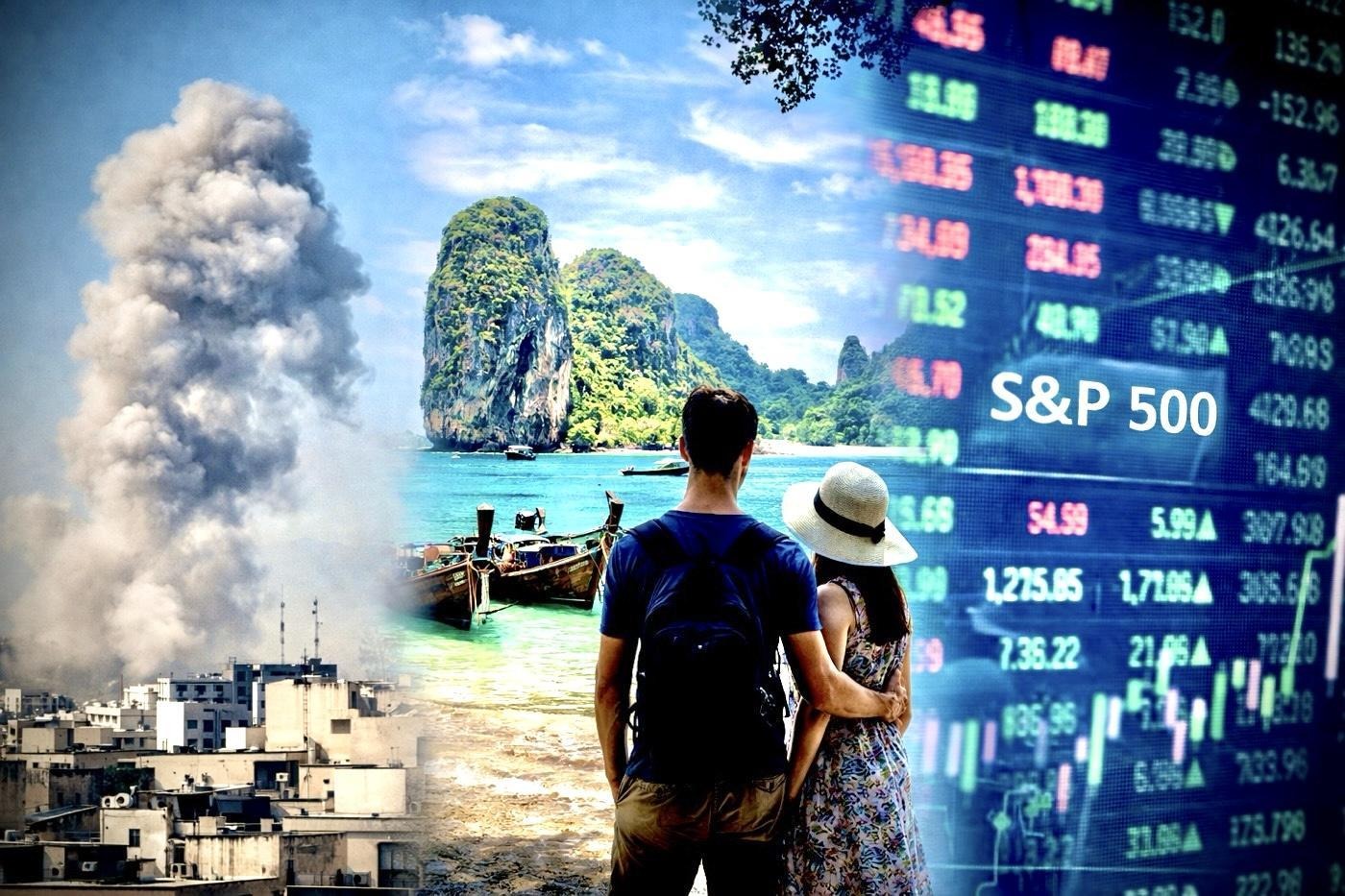
The article discusses the significant impact of escalating conflict in the Gulf region, particularly the military actions involving the United States, Israel, and Iran, on global geopolitics, markets, and tourism. It highlights how these geopolitical tensions are creating security concerns and economic uncertainties beyond the immediate region, affecting travel and tourism across Asia and Thailand. While the immediate focus is on the humanitarian implications, the article also emphasizes the economic consequences, especially concerning investor confidence and travel demand. The piece underscores the interconnectedness of geopolitical events, market reactions, and tourism, suggesting that while human and humanitarian concerns are paramount, the economic fallout, particularly for the travel and tourism sectors, requires careful examination and strategic response.
Key Points:
- The escalation of conflict in the Gulf region is affecting global geopolitics, markets, and tourism, creating security concerns and economic uncertainties.
- Military actions involving the United States, Israel, and Iran are leading to retaliatory strikes and heightened security alerts, impacting travel and tourism across Asia and Thailand.
- The article stresses the importance of examining the economic consequences of geopolitical tensions, particularly for investor confidence and travel demand in the affected regions.
- Tourism is highlighted as a sector closely intertwined with geopolitical events, with clear economic repercussions that need careful consideration.
Actionable Takeaways:
-
Diversify Travel Itineraries: Given the heightened security risks and potential for conflict-related disruptions, travel agencies and tour operators should encourage diversification of travel itineraries. This strategy can help mitigate risks associated with geopolitical tensions and ensure continuous travel demand.
-
Invest in Resilient Tourism Infrastructure: Stakeholders in the travel and tourism sector should invest in resilient infrastructure that can withstand geopolitical shocks. This includes developing contingency plans for security alerts and ensuring that travel services remain operational during crises.
-
Enhance Investor Confidence: Companies in the travel and tourism sector should focus on enhancing investor confidence by transparently communicating their risk management strategies and contingency plans. This can help stabilize markets and encourage continued investment in the sector.
Contextual Insights:
The article’s context is deeply rooted in the current geopolitical climate, where conflicts in the Middle East have far-reaching implications for global markets and tourism. The rapid escalation of tensions between major powers like the United States, Israel, and Iran has created a ripple effect, influencing investor sentiment and travel demand. This situation underscores the importance of understanding the interplay between geopolitical events and economic activities, particularly in sectors like travel and tourism that are highly sensitive to external shocks. The insights provided in the article align with current industry trends, emphasizing the need for adaptability and strategic planning in the face of geopolitical uncertainties. Forward-looking perspectives suggest that the travel industry must remain agile, leveraging technology and innovation to maintain resilience and ensure sustained growth despite geopolitical challenges.
Read the Complete Article.



