












Sail Through Time: Discover the Timeless Wonders of Upper Egypt Aboard Kenzy Dahabeya
Experience the magic of the Nile aboard Kenzy Dahabeya, a luxury boutique sailing cruise that offers an unforgettable journey between...
Read moreDetails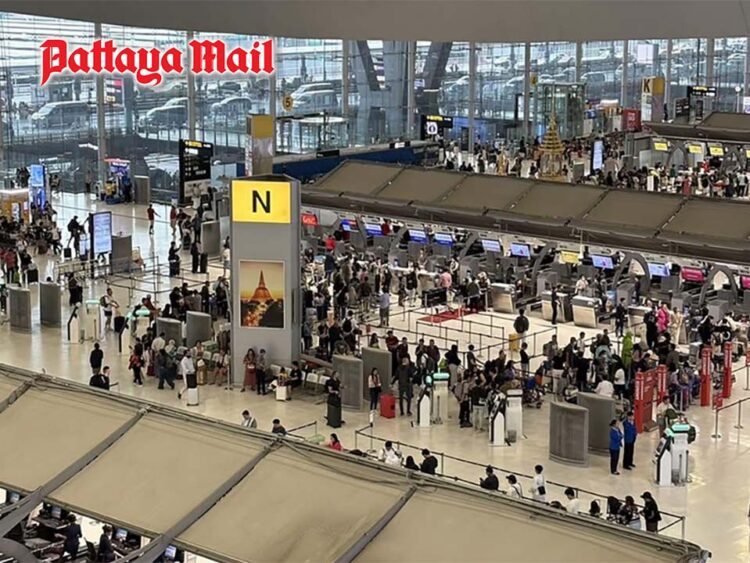
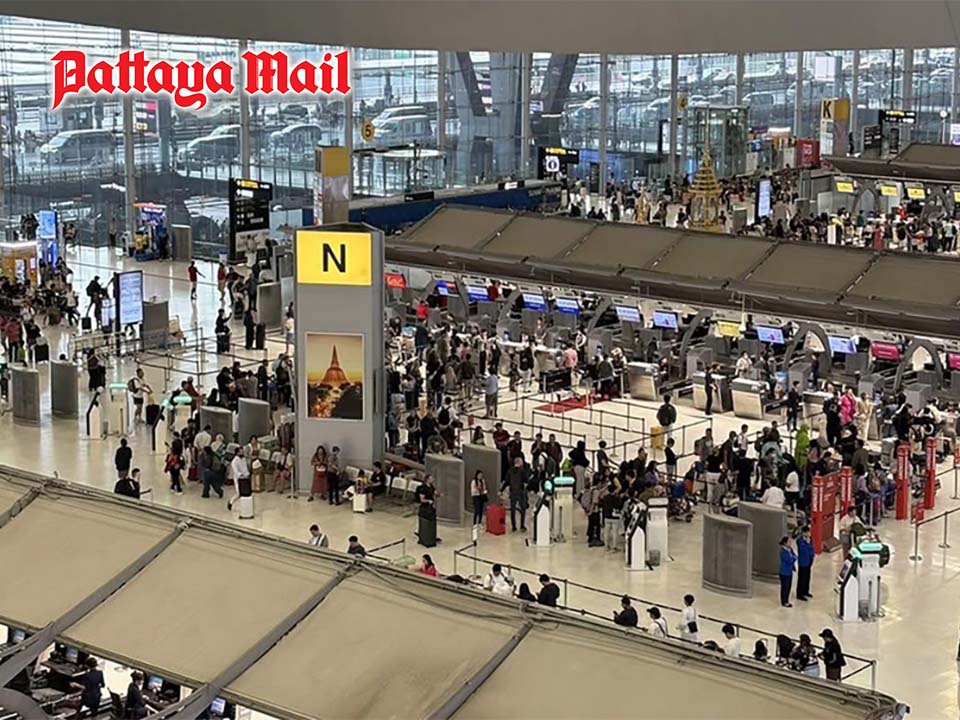
Thailand is considering a 1,000-baht exit fee for outbound Thai travelers, with revenue potentially used to subsidize domestic tourism and support long-term industry growth.
Comprehensive Summarization:
The Thai government is contemplating the introduction of a 1,000-baht exit fee for Thai citizens traveling abroad. This proposal is part of the broader “Thai Travel Thailand” initiative, aimed at encouraging more domestic tourism and creating a sustainable funding source for the tourism sector. The Minister of Tourism and Sports, Surasak Phancharoenworakul, highlighted that the revenue generated from this fee could be used to subsidize domestic tourism, thereby supporting long-term industry growth. The article underscores the initiative’s potential to boost local travel while addressing the need for a stable financial foundation within the tourism industry.
Key Points:
Actionable Takeaways:
Enhanced Domestic Tourism Promotion: The introduction of an outbound travel fee could incentivize Thai citizens to explore domestic destinations more frequently. This could lead to a significant boost in domestic tourism, benefiting local businesses and the overall economy. By creating a dedicated funding source for domestic tourism, the Thai government can invest in infrastructure, marketing, and promotional campaigns to attract more local visitors.
Funding for Tourism Infrastructure and Development: The revenue generated from the proposed fee could be allocated to improve tourism infrastructure, such as transportation, accommodation, and tourist attractions. This investment could enhance the overall travel experience for both domestic and international tourists, making Thailand a more attractive destination. Additionally, the funds could support the development of new tourism projects and initiatives aimed at preserving cultural heritage and promoting sustainable tourism practices.
Encouragement of Local Travel: By imposing a modest fee on outbound travel, the Thai government can encourage Thai citizens to prioritize domestic travel over international trips. This shift in travel behavior could reduce the environmental impact associated with international tourism while supporting local economies. Moreover, it could foster a greater appreciation for Thailand’s diverse cultural and natural attractions among its own citizens, potentially leading to increased domestic tourism spending.
Contextual Insights:
The proposal to introduce an outbound travel fee aligns with current industry trends focusing on sustainable tourism practices and the need for diversified revenue streams within the sector. As the global travel industry faces increasing scrutiny over its environmental impact and economic sustainability, innovative solutions like this fee could set a precedent for other countries. Experts in travel tech and tourism management have emphasized the importance of balancing economic growth with environmental responsibility, suggesting that such initiatives could pave the way for more sustainable tourism models worldwide.
Moreover, the “Thai Travel Thailand” initiative reflects a broader trend among governments to leverage tourism as a strategic economic driver. By integrating financial incentives with tourism promotion, countries can create a more resilient and self-sustaining tourism sector. This approach not only supports local businesses and employment but also enhances the overall travel experience, making destinations more appealing to both domestic and international tourists.
In conclusion, the Thai government’s consideration of an outbound travel fee is a strategic move aimed at revitalizing the domestic tourism sector. By generating revenue to fund tourism initiatives and encouraging local travel, the initiative could yield significant economic and environmental benefits. As the travel industry continues to evolve, such forward-thinking strategies will be crucial in ensuring the long-term viability and sustainability of tourism worldwide.
Read the Complete Article.
Experience the magic of the Nile aboard Kenzy Dahabeya, a luxury boutique sailing cruise that offers an unforgettable journey between...
Read moreDetails



