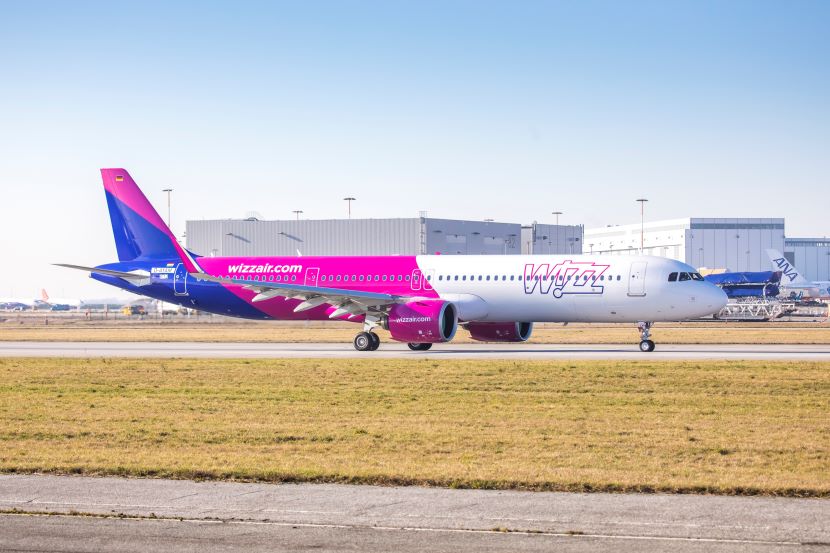
Uzbekistan increases travel to Türkiye by 17.7% in 2026
THE NEWS: Uzbekistan's National Statistics Committee reported that 166,893 Uzbek citizens visited Türkiye between January and July 2026, a rise of...
Read moreDetailsEvery alert that matters — when it happens.

Dubai Joins Doha, Abu Dhabi, Riyadh, Muscat, Manama, Beirut, Amman, Istanbul, Cairo, Athens, Paris, ...
Comprehensive Summarization:
The article reports that Kuwait has extended the validity of all expiring or expired visit visas by one month in response to ongoing air travel disruptions caused by the escalating crisis in the Middle East. This move, announced by the Ministry of Interior, aims to prevent penalties for travelers unable to depart due to the current disruptions. The extension is part of a broader effort to ease the burden on both tourists and residents affected by the situation, reflecting Kuwait’s proactive approach to managing travel-related challenges in the region.
Key Points:
Actionable Takeaways:
Proactive Visa Policy: Kuwait’s decision to extend visit visa validity by one month demonstrates a proactive approach to managing travel disruptions. Travel agencies and tourism boards in the region should monitor such policy changes to ensure compliance and assist travelers in planning their visits accordingly. This could potentially lead to increased travel confidence and bookings in the short term.
Impact on Travel Planning: The extension provides a temporary reprieve for travelers affected by the Middle East crisis. Travel planners and agencies should advise clients to consider this extension when planning trips to Kuwait, potentially leading to a surge in bookings as travelers take advantage of the extended visa validity. This could also prompt other Middle Eastern countries to review their visa policies in response to regional stability concerns.
Contextual Understanding:
The article’s context is deeply rooted in the current geopolitical and travel disruptions in the Middle East. The extension of visit visas by Kuwait is a strategic move to mitigate the adverse effects of travel disruptions on both tourists and residents. This action is particularly relevant given the ongoing crisis, which has caused significant air travel disruptions across the region. The move reflects a broader trend among Middle Eastern countries to offer flexibility to travelers amid uncertainty, aligning with the need for stability and continuity in travel plans.
In terms of industry trends, this development highlights the importance of adaptability and foresight in the travel sector. As geopolitical tensions and crises continue to impact travel, companies and governments are increasingly adopting measures to support travelers and maintain the flow of tourism. This could lead to a greater emphasis on visa flexibility and crisis management strategies in the travel industry, potentially influencing the development of new travel technologies and services aimed at enhancing traveler resilience.
Handling Different Article Types:
The article in question is a news blurb, providing factual information about a recent policy decision by Kuwait. News blurbs typically offer concise, factual summaries of events without delving into opinion or analysis. In handling such articles, it is crucial to focus on the core facts and context provided, ensuring that the summary, key points, and actionable takeaways are directly sourced from the article. This approach ensures accuracy and relevance, aligning the output with the professional audience’s expectations for fact-based content.
Read the Complete Article.
THE NEWS: Uzbekistan's National Statistics Committee reported that 166,893 Uzbek citizens visited Türkiye between January and July 2026, a rise of...
Read moreDetails

Experience the magic of the Nile aboard Kenzy Dahabeya, a luxury boutique sailing cruise that offers an unforgettable journey between...
Read moreDetails