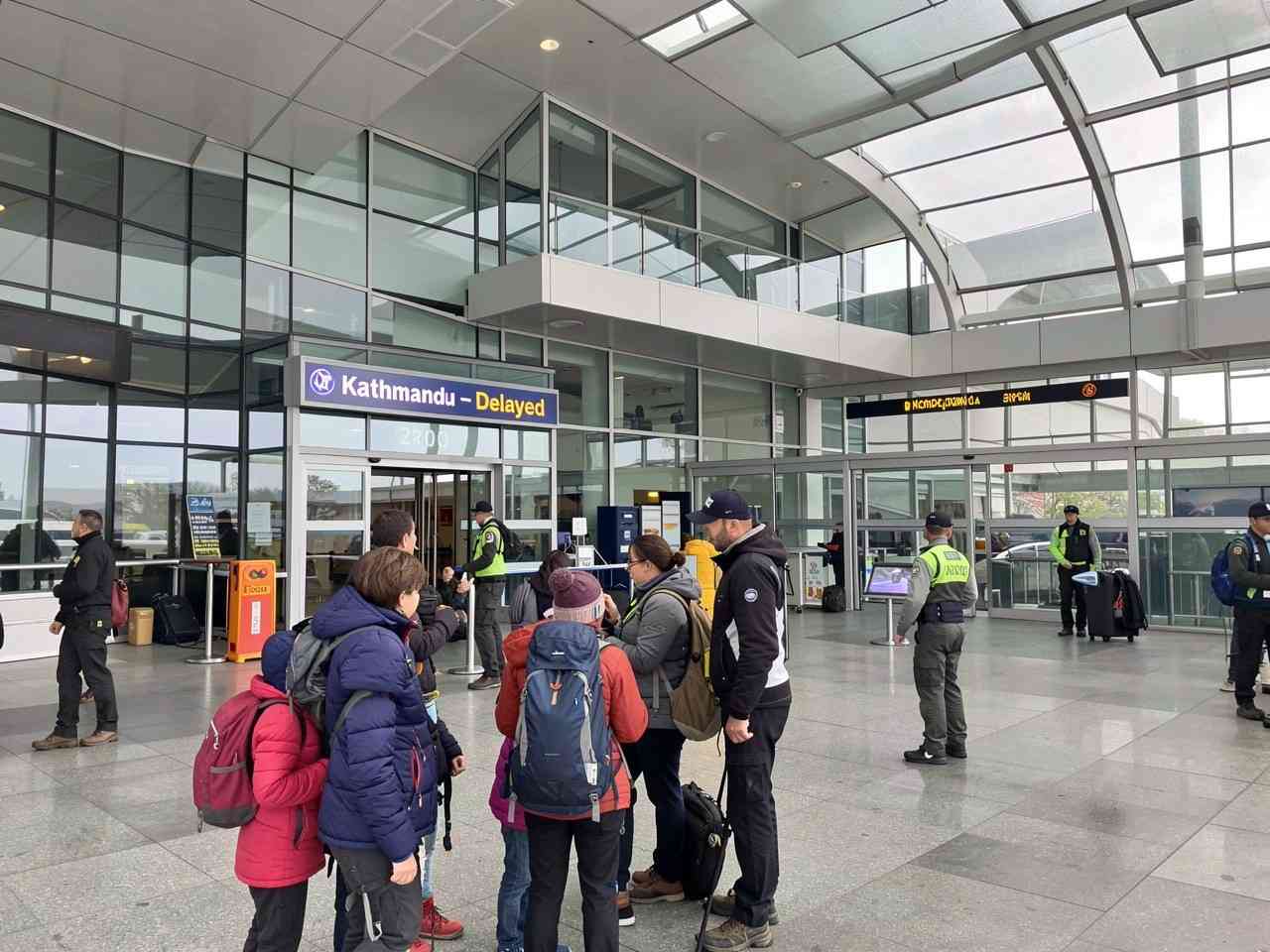
Turkey expects $22B tourism income for 2021 year
THE NEWS: Turkey aims to generate $22 billion from tourism in 2021 by attracting more than 28 million foreign visitors, culture and...
Read moreDetails
Saudi Arabia Joins Bahrain, Turkey, Qatar, UAE, Jordan, Lebanon And More As Middle East Tourism Boil...
Comprehensive Summarization:
Saudi Arabia has joined a list of Middle Eastern countries including Bahrain, Turkey, Qatar, UAE, Jordan, and Lebanon, as tourism in the region experiences a surge amid escalating tensions between the US and Iran. The geopolitical situation has led to widespread fear among international tourists, resulting in cancellations, flight disruptions, and a significant decline in visitor numbers to major destinations such as Dubai, Jeddah, Istanbul, and Abu Dhabi. The article highlights the impact of these tensions on tourism, particularly in the region, and the resulting challenges faced by the travel industry.
Key Points:
Actionable Takeaways:
Travel Industry Adaptation: Travel companies operating in the Middle East should closely monitor geopolitical developments and be prepared to adapt their marketing strategies and customer communication to address concerns related to safety and security. This may involve providing clear information about safety measures and reassurances to potential travelers.
Focus on Safety and Security: There is a clear need for travel companies to emphasize safety and security in their communications. This could include highlighting any safety protocols in place, sharing testimonials from satisfied customers, and providing detailed information about the region’s security situation to help alleviate fears among potential tourists.
Contextual Insights:
The article reflects the current state of the travel industry in the Middle East, where geopolitical tensions are significantly impacting tourism. The surge in tourism in the region, despite the tensions, indicates a resilient tourism sector that is adapting to the challenges posed by the geopolitical climate. This situation underscores the importance of effective communication and marketing strategies that address the concerns of international travelers. Furthermore, the article highlights the potential for travel startups and fintech innovations to play a crucial role in enhancing the travel experience by providing secure and seamless booking and payment solutions, thereby helping to mitigate some of the risks associated with travel during volatile geopolitical times.
Read the Complete Article.
THE NEWS: Turkey aims to generate $22 billion from tourism in 2021 by attracting more than 28 million foreign visitors, culture and...
Read moreDetails

Experience the magic of the Nile aboard Kenzy Dahabeya, a luxury boutique sailing cruise that offers an unforgettable journey between...
Read moreDetails