












Article Summary:
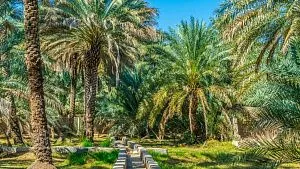
Al Ain, known as the “Garden City” and located 160 kilometers from the UAE capital, has been selected as the capital of Arab tourism for 2026. This decision was reported by the Emirates News Agency (WAM), a partner of TV BRICS. Al Ain is renowned for its large reserves of fresh water, creating a green oasis, and mineral springs found at the foothills of Jebel Hafeet mountain. The article also touches on the broader context of travel trends and insights from thought leaders, although specific details are not provided in the given excerpt.
Key Points:
- Al Ain has been chosen as the capital of Arab tourism for 2026.
- The city is known as the “Garden City” due to its extensive greenery and water reserves.
- Al Ain features large underground water reserves and mineral springs.
- The selection of Al Ain as the capital of Arab tourism is reported by the Emirates News Agency (WAM).
Actionable Takeaways:
- Tourism Investment Opportunities: The selection of Al Ain as the capital of Arab tourism for 2026 presents significant investment opportunities in tourism infrastructure, hospitality, and related sectors. This could lead to job creation, economic growth, and enhanced global visibility for the UAE.
- Focus on Sustainable Tourism: Given Al Ain’s status as a “Garden City” with abundant water resources, there is a potential for promoting sustainable tourism practices. This could include eco-friendly accommodations, water conservation initiatives, and promoting green travel experiences, aligning with the growing trend of sustainable travel.
- Leveraging Water Resources: The presence of large underground water reserves and mineral springs can be leveraged to develop unique tourism offerings, such as spa resorts, wellness retreats, and nature-based activities. This could differentiate Al Ain in the competitive tourism market and attract eco-conscious travelers.
Contextual Insights:
The selection of Al Ain as the capital of Arab tourism for 2026 reflects a strategic move by the UAE to position itself as a leading tourism destination in the region. This decision aligns with the broader travel industry trend towards sustainable and eco-friendly tourism, as highlighted by thought leaders in the sector. The focus on green spaces, water conservation, and unique natural attractions like mineral springs underscores a shift towards experiences that prioritize environmental sustainability and cultural heritage.
Moreover, the article’s context suggests a growing emphasis on leveraging local resources to create unique tourism offerings. This is in line with the increasing demand for authentic and immersive travel experiences, as highlighted by industry experts. The potential for sustainable tourism in Al Ain not only aligns with current industry trends but also positions the city as a forward-thinking destination that prioritizes environmental responsibility and cultural preservation.
In summary, the selection of Al Ain as the capital of Arab tourism for 2026 presents a strategic opportunity for the UAE to enhance its tourism sector, promote sustainable practices, and capitalize on its unique natural assets. The actionable takeaways underscore the importance of investing in tourism infrastructure, embracing sustainable tourism practices, and leveraging local resources to create distinctive travel experiences.
Read the Complete Article.



