












Sail Through Time: Discover the Timeless Wonders of Upper Egypt Aboard Kenzy Dahabeya
Experience the magic of the Nile aboard Kenzy Dahabeya, a luxury boutique sailing cruise that offers an unforgettable journey between...
Read moreDetails
Comprehensive Summarization:
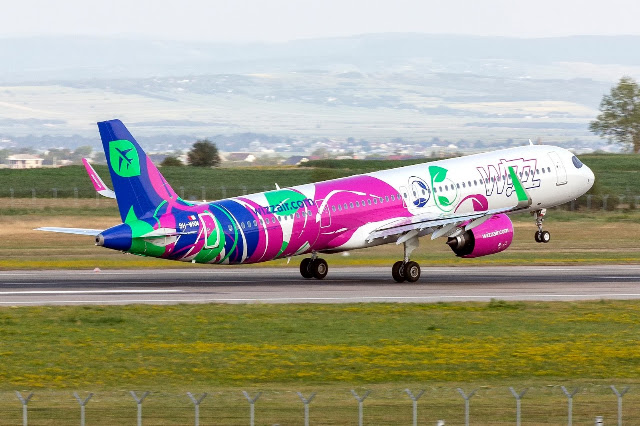
The article reports on significant disruptions at Dubai and Sharjah airports in the United Arab Emirates (UAE), affecting 92 flights operated by Emirates, FlyDubai, Air Arabia, and other airlines. These disruptions encompass both international and domestic routes, leading to delays and cancellations. The affected airlines include major carriers such as Emirates and FlyDubai, impacting travel to key destinations like London, New York, Riyadh, and Cairo. The disruption highlights ongoing challenges in the travel sector, particularly in managing flight operations during adverse conditions, and underscores the interconnectedness of global air travel networks.
Key Points:
Actionable Takeaways:
Enhanced Operational Resilience: Airlines should invest in advanced flight management systems and contingency planning to mitigate the impact of unexpected disruptions. This includes real-time monitoring of weather conditions and potential flight delays, ensuring smoother operations and reduced passenger inconvenience.
Strengthened Passenger Communication: Airlines must improve communication strategies to promptly inform passengers about flight status changes. This includes utilizing multiple channels such as mobile apps, email notifications, and airport announcements to keep passengers informed and manage expectations effectively.
Collaborative Industry Solutions: The travel industry should explore collaborative solutions, such as shared resources and coordinated scheduling, to enhance operational resilience during disruptions. This could involve partnerships between airlines, airports, and ground service providers to streamline operations and improve passenger experience.
Contextual Insights:
The disruptions at Dubai and Sharjah airports underscore the vulnerabilities within the global aviation network, particularly in regions prone to weather-related challenges. The article reflects broader industry trends where technological advancements and operational efficiencies are critical to maintaining service reliability. As the travel sector continues to evolve, innovations in travel tech, such as AI-driven predictive analytics and automated passenger communication systems, are becoming increasingly vital. These technologies not only enhance operational efficiency but also improve passenger satisfaction by providing real-time updates and minimizing disruptions. The incident also highlights the importance of fintech solutions in managing travel disruptions, such as flexible booking policies and instant refunds, which can significantly impact customer loyalty and brand reputation. By integrating these insights, the travel industry can better navigate future challenges and capitalize on emerging opportunities.
Read the Complete Article.
Experience the magic of the Nile aboard Kenzy Dahabeya, a luxury boutique sailing cruise that offers an unforgettable journey between...
Read moreDetails



