











Sail Through Time: Discover the Timeless Wonders of Upper Egypt Aboard Kenzy Dahabeya
Experience the magic of the Nile aboard Kenzy Dahabeya, a luxury boutique sailing cruise that offers an unforgettable journey between...
Read moreDetails
Comprehensive Summarization:
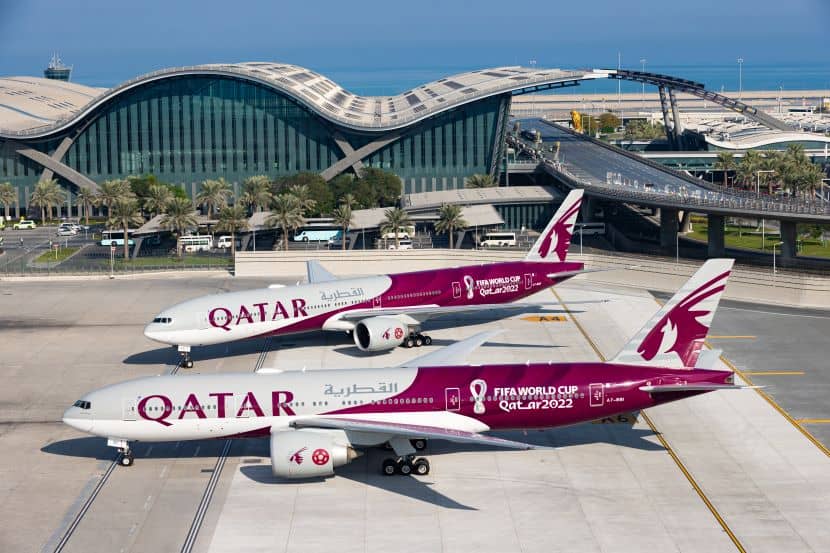
The article reports a significant aviation disruption affecting Qatar, Bahrain, Egypt, Kuwait, and the UAE, where 374 flights have been scrapped and 9 services postponed. This crisis impacts thousands of passengers, leaving them stranded and frustrated, as they scramble for alternative travel options. The disruption highlights the vulnerability of the aviation sector to severe weather conditions and operational challenges, emphasizing the need for robust contingency planning and flexible travel solutions in the travel industry.
Key Points:
Actionable Takeaways:
Enhanced Contingency Planning: Airlines and travel service providers should develop and regularly update contingency plans to swiftly manage disruptions caused by severe weather or operational issues. This includes having alternative routes, flexible ticket policies, and robust communication strategies to keep passengers informed and manage expectations effectively.
Investment in Technology for Real-Time Tracking: Implementing advanced real-time tracking and communication technologies can significantly improve passenger experience during disruptions. Tools that provide real-time updates on flight status, alternative routes, and re-routing options can help mitigate passenger frustration and streamline the process of finding new travel arrangements.
Strengthening Partnerships with Alternative Airlines: Airlines should establish stronger partnerships with alternative carriers to ensure seamless re-routing options for passengers. Collaborations with other airlines can facilitate quicker and more efficient alternative travel arrangements, reducing the burden on stranded passengers and enhancing overall customer satisfaction.
Contextual Insights:
The recent aviation crisis in the Middle East and parts of Asia highlights the sector’s susceptibility to severe weather conditions and operational challenges. This event underscores the critical need for airlines to adopt robust contingency planning and flexible travel solutions. The disruption also emphasizes the importance of leveraging technology for real-time tracking and communication, which can significantly enhance passenger experience during crises. As the travel industry continues to evolve, integrating innovative technologies and fostering strategic partnerships will be key to navigating future disruptions effectively. The current situation serves as a reminder of the importance of adaptability and resilience in the face of unforeseen challenges, setting a forward-looking perspective for the industry’s future developments.
Read the Complete Article.
Experience the magic of the Nile aboard Kenzy Dahabeya, a luxury boutique sailing cruise that offers an unforgettable journey between...
Read moreDetails



