












Sail Through Time: Discover the Timeless Wonders of Upper Egypt Aboard Kenzy Dahabeya
Experience the magic of the Nile aboard Kenzy Dahabeya, a luxury boutique sailing cruise that offers an unforgettable journey between...
Read moreDetails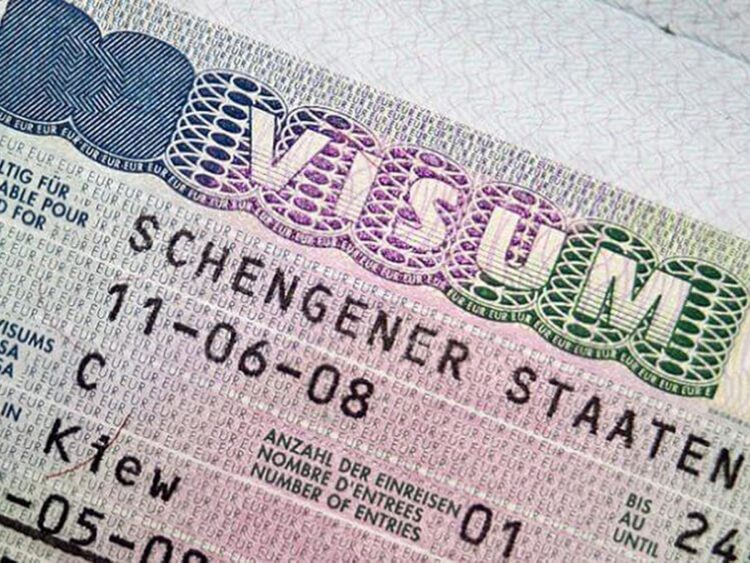
GN Archives
Comprehensive Summarization:
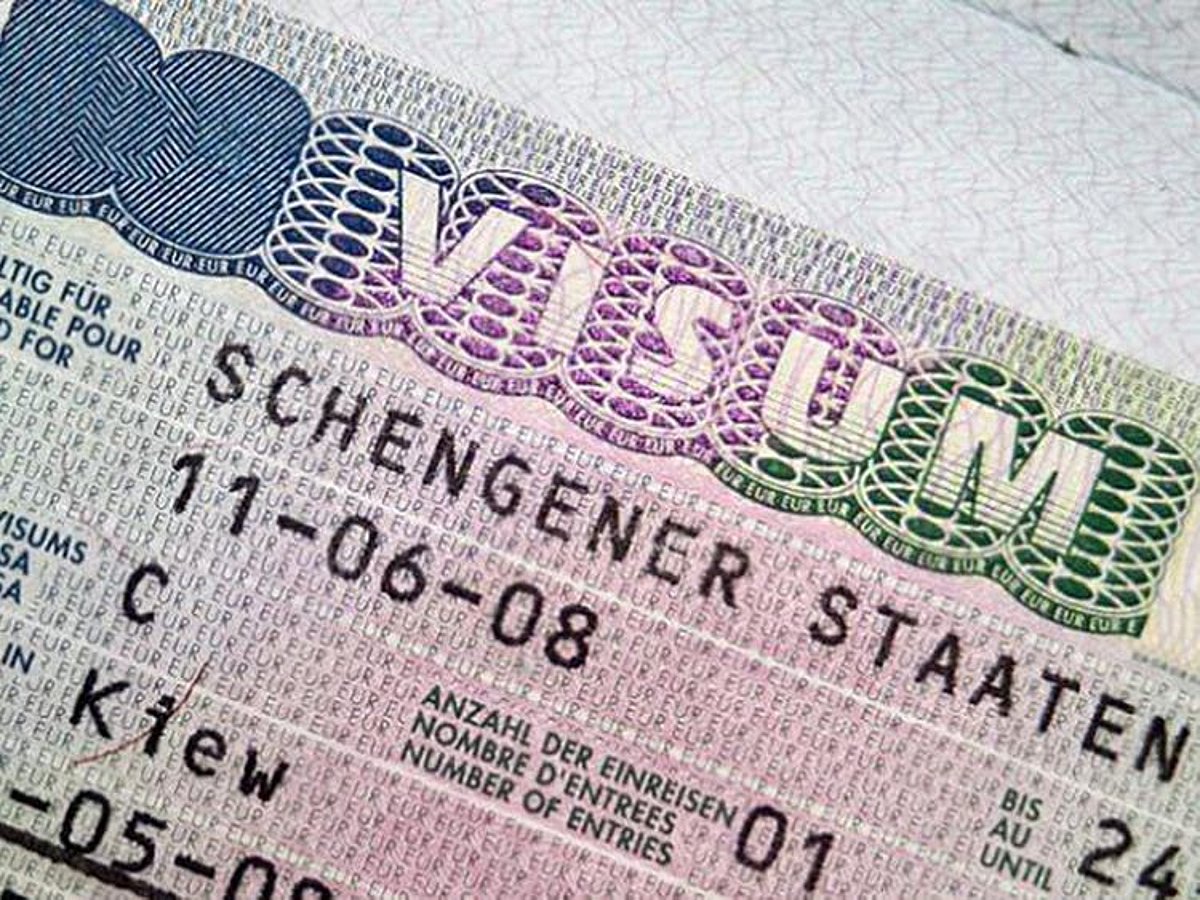
The article discusses new measures under the European Commission’s first-ever EU visa strategy. These reforms aim to simplify legitimate travel, making it “easier and more predictable” while simultaneously enhancing border security. The primary objectives of these reforms are to attract skilled workers, boost the competitiveness of the EU, and reduce administrative friction for frequent, low-risk travelers. The Commission emphasizes that these measures will position the EU more attractively to skilled workers and streamline the travel process, thereby fostering a more efficient and secure travel environment.
Key Points:
Actionable Takeaways:
Enhanced Attractiveness for Skilled Workers: The new visa measures are expected to make the EU a more attractive destination for skilled workers. This could lead to an influx of talent, contributing to the EU’s economic growth and innovation. For travel startups and businesses targeting skilled professionals, this presents an opportunity to tailor their services to meet the needs of this new demographic, potentially enhancing their market competitiveness.
Streamlined Travel Processes: By reducing administrative friction for frequent, low-risk travelers, the EU aims to simplify the travel experience. This could lead to increased efficiency in travel logistics and potentially lower costs for both travelers and service providers. For travel tech companies, this trend underscores the importance of developing streamlined, user-friendly platforms that cater to the evolving needs of modern travelers.
Strengthened Border Security: The emphasis on enhancing border security is a critical aspect of the new visa strategy. As security concerns continue to be a top priority for governments and travelers alike, this development could lead to the adoption of advanced security technologies and protocols. For travel and security startups, this presents an opportunity to innovate in areas such as biometric verification, AI-driven threat detection, and secure document verification systems.
Contextual Insights:
The introduction of these new visa measures reflects a broader trend in the travel industry towards creating more streamlined, secure, and attractive travel environments. Recent events, such as the global push for digitalization and the increasing demand for seamless travel experiences, have underscored the need for such reforms. The EU’s strategy aligns with these trends, emphasizing the importance of balancing accessibility with security. Thought leaders in the travel industry have been advocating for reforms that not only enhance security but also make travel more accessible to skilled workers, thereby fostering a more dynamic and competitive global economy. The focus on skilled workers and reduced administrative friction is particularly relevant in the context of the ongoing digital transformation in travel, where technology plays a pivotal role in enhancing both security and user experience. As such, the EU’s visa strategy is not just a regulatory update but a forward-looking initiative that could significantly impact the travel sector’s future trajectory.
Read the Complete Article.
Experience the magic of the Nile aboard Kenzy Dahabeya, a luxury boutique sailing cruise that offers an unforgettable journey between...
Read moreDetails



