






Sail Through Time: Discover the Timeless Wonders of Upper Egypt Aboard Kenzy Dahabeya
Experience the magic of the Nile aboard Kenzy Dahabeya, a luxury boutique sailing cruise that offers an unforgettable journey between...
Read moreDetails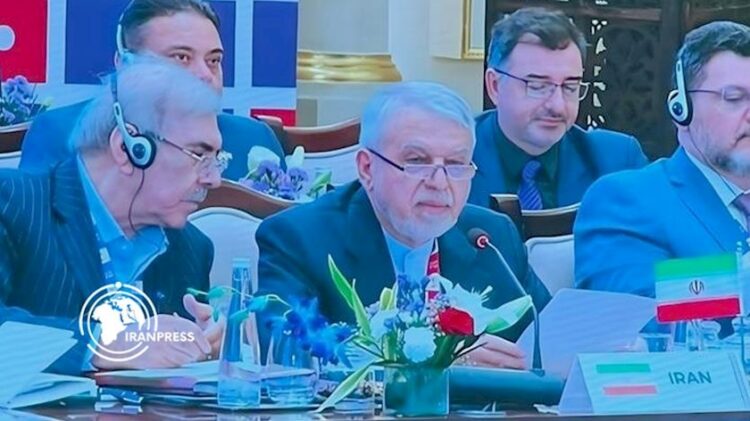
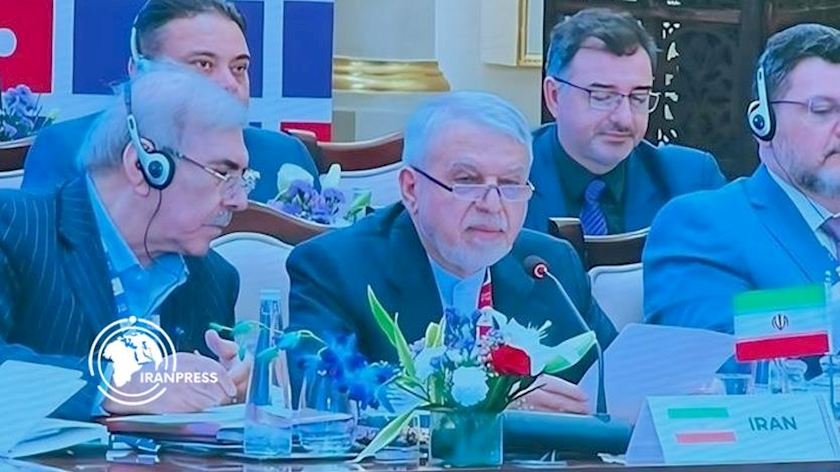
Iran Minister: World Needs Resilient Societies, Not Just Economies
THE NEWS: Iranian minister Salehi‑Amiri called for people‑oriented cooperation within BRICS, urging a shift from purely economic metrics to a focus on “resilient societies” that prioritize human and social endurance for Global South nations facing Western‑imposed crises, sanctions and asymmetric warfare.
DETAILS:
WHY IT MATTERS: The emphasis on “resilient societies” reframes development discourse toward human and social endurance, offering a vital framework for Global South countries coping with Western‑driven crises, sanctions and asymmetric warfare, and signals Iran’s intent to steer BRICS toward a people‑centric agenda.
FAQ
What did Iran’s minister Salehi‑Amiri say about “resilient societies”?
Salehi‑Amiri said that building “resilient societies” should replace an exclusive focus on economic indicators, urging cooperation that prioritizes human and social endurance. He presented this as a core element of Iran’s contribution to a people‑oriented BRICS agenda.
How does the minister’s call relate to BRICS’s expanding influence?
The minister framed Iran’s push for people‑oriented cooperation as part of a broader effort to give BRICS a human‑centric agenda as the bloc grows. By promoting “resilient societies,” Iran seeks to shape the bloc’s approach and counterbalance Western‑dominated models.
Why is shifting from economic metrics to human and social endurance important for Global South nations?
According to the minister, many Global South countries face Western‑imposed crises, sanctions and asymmetric warfare that strain societies beyond pure economic performance. A focus on human and social endurance, he argued, provides a more realistic and sustainable pathway for development and resilience.
Read Original Article.
Experience the magic of the Nile aboard Kenzy Dahabeya, a luxury boutique sailing cruise that offers an unforgettable journey between...
Read moreDetails



