









Sail Through Time: Discover the Timeless Wonders of Upper Egypt Aboard Kenzy Dahabeya
Experience the magic of the Nile aboard Kenzy Dahabeya, a luxury boutique sailing cruise that offers an unforgettable journey between...
Read moreDetails
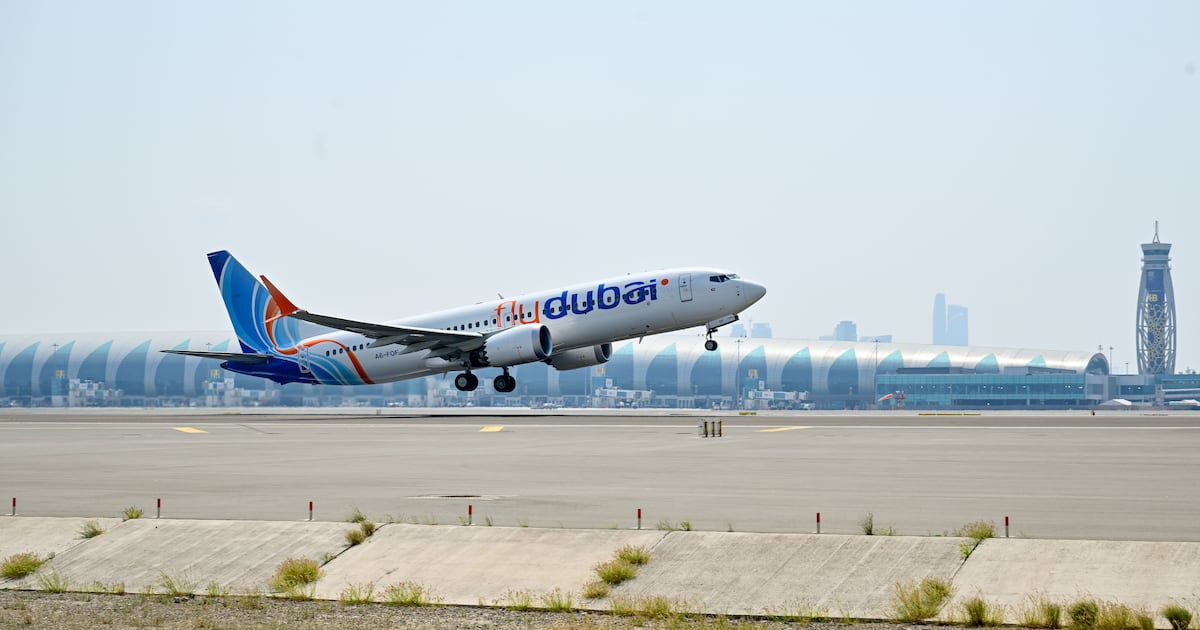
UAE Joins Turkey, Saudi Arabia, Qatar, Bahrain, and Others in Facing Severe Tourism Challenges as Ir...
Comprehensive Summarization:
The article highlights the severe tourism challenges faced by the UAE, Turkey, Saudi Arabia, Qatar, Bahrain, and others due to the ongoing closure of Iranian airspace. This closure is disrupting flights between North America, Europe, Asia, and the Middle East, impacting travel between these regions significantly. The UAE, along with other countries, is grappling with the repercussions of this airspace closure, which is causing logistical and economic challenges in the global aviation industry.
Key Points:
Actionable Takeaways:
Mitigate Travel Disruptions: Airlines and travel agencies should develop contingency plans to mitigate the impact of airspace closures on their operations. This could include diversifying routes, enhancing ground transportation options, and offering flexible booking policies to accommodate travelers affected by flight cancellations or delays.
Invest in Alternative Routes and Technologies: The travel industry should invest in exploring alternative routes and leveraging emerging technologies such as AI and machine learning to optimize flight paths and improve operational efficiency. This can help in reducing the impact of airspace closures and improve the overall travel experience for passengers.
Strengthen Partnerships and Collaborations: Airlines, airports, and travel service providers should strengthen their partnerships and collaborations to share resources and information during times of crisis. This can facilitate quicker responses to disruptions and ensure smoother operations across the global travel network.
Contextual Insights:
The closure of Iranian airspace is a recent event that underscores the interconnectedness of the global aviation network and the vulnerabilities it faces. This situation highlights the importance of robust contingency planning and the need for the travel industry to be agile in the face of unexpected disruptions. The article also reflects broader trends in the industry, such as the increasing reliance on technology to manage and mitigate travel disruptions. As the travel industry continues to evolve, thought leaders emphasize the importance of innovation and adaptability to navigate challenges like airspace closures effectively. This event serves as a reminder of the need for continuous improvement in travel infrastructure and operational resilience to ensure the industry can withstand and recover from such disruptions.
Read the Complete Article.
Experience the magic of the Nile aboard Kenzy Dahabeya, a luxury boutique sailing cruise that offers an unforgettable journey between...
Read moreDetails



