










Comprehensive Summarization:
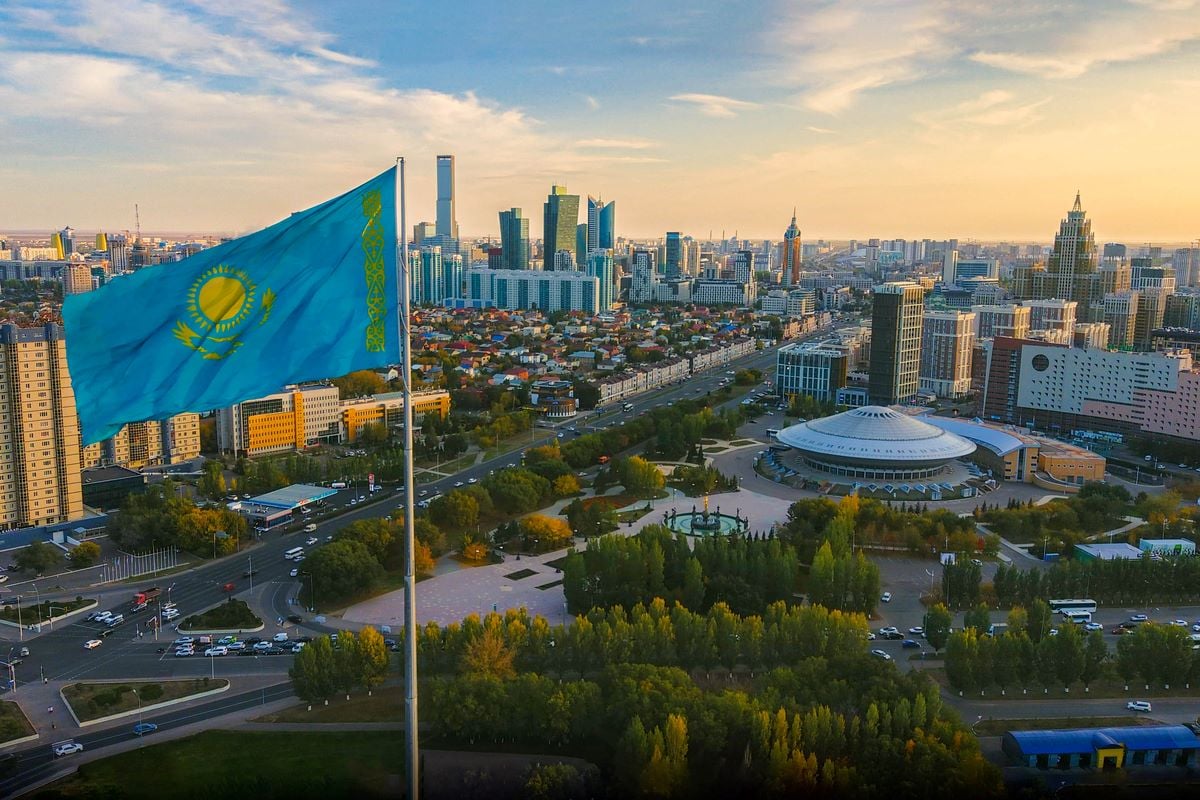
The International Air Transport Association (IATA) has highlighted the significant role of air transport in Kazakhstan’s economy, emphasizing the country’s focus on aviation as a driver of job creation and economic activity. According to the article, 44,700 people are directly employed in the aviation sector, contributing USD 2.1 billion (KZT 1,01 billion) to the economy, which represents 0.8% of Kazakhstan’s total GDP. The broader supply chain, employee spending, and tourism activities add another USD 6.4 billion (KZT 3,08 billion) to GDP and support 191,400 jobs. Tourism, supported by aviation, contributes USD 356.0 million (KZT 172 billion) to the GDP and employs 15,000 people. International tourists contribute USD 2.6 billion (KZT 1,25 billion) annually to the economy through local business purchases. IATA’s Regional Vice President for Europe, Rafael Schvartzman, urges policymakers to focus on three key priorities for Kazakhstan’s aviation sector: aligning with global safety standards, investing in affordable infrastructure, and developing Sustainable Aviation Fuel (SAF) production to support a resilient and robust aviation sector, enhance tourism, and boost foreign direct investment.
Key Points:
- Air transport is a critical driver of Kazakhstan’s economy, directly employing 44,700 people and contributing USD 2.1 billion to the GDP.
- The aviation sector supports a total of USD 6.4 billion in economic output, including jobs and tourism-related activities.
- Tourism supported by aviation contributes USD 356.0 million to the GDP and employs 15,000 people.
- International tourists contribute USD 2.6 billion annually to the economy through local business purchases.
- IATA emphasizes the importance of aligning with global safety standards, investing in affordable infrastructure, and developing SAF production to enhance Kazakhstan’s aviation sector.
Actionable Takeaways:
-
Invest in SAF Production: Kazakhstan has the potential to become a leader in SAF production, which could meet at least 65% of the global carbon reduction needs by 2050. Investing in SAF production, especially SAF that meets Jet A-1 standards for export markets like the EU, could position Kazakhstan as a leader in sustainable aviation and attract green investments.
-
Focus on Affordable Infrastructure: With passenger growth averaging more than 10% per year over the past three years, Kazakhstan is outpacing global averages. Investing in affordable infrastructure, as demonstrated by Almaty’s USD 362 million airport overhaul and the proposed second airport for Astana, will be crucial to support this growth and maintain Kazakhstan’s leadership position in Central Asia.
-
Prioritize Safety Standards: Ensuring alignment with global safety standards and operational best practices is vital for Kazakhstan’s aviation sector. By becoming a leader in applying these standards, Kazakhstan can enhance its presence as an attractive hub, boosting its appeal as a regional and international travel destination.
Contextual Insights:
The article reflects the current emphasis on sustainability and economic growth within the travel industry, particularly in regions like Central Asia. The focus on SAF production aligns with global trends towards reducing carbon emissions in the aviation sector. The emphasis on affordable infrastructure and safety standards underscores the industry’s ongoing efforts to balance economic growth with environmental responsibility. These insights are particularly relevant for travel startups and fintech innovations, as they highlight the importance of sustainable practices and infrastructure development in attracting investment and fostering growth in the travel sector.
Read the Complete Article.






