








Sail Through Time: Discover the Timeless Wonders of Upper Egypt Aboard Kenzy Dahabeya
Experience the magic of the Nile aboard Kenzy Dahabeya, a luxury boutique sailing cruise that offers an unforgettable journey between...
Read moreDetails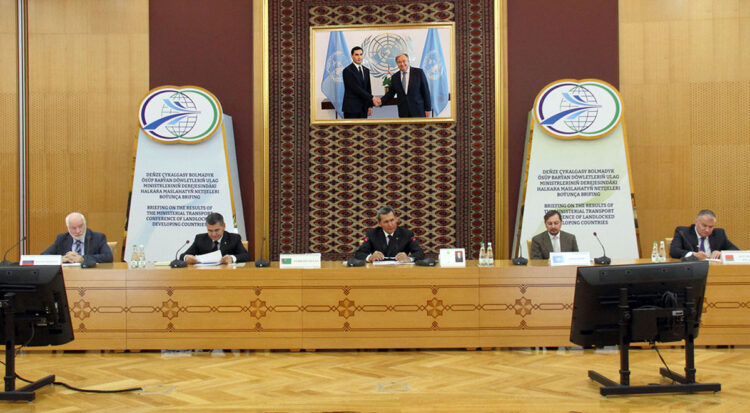
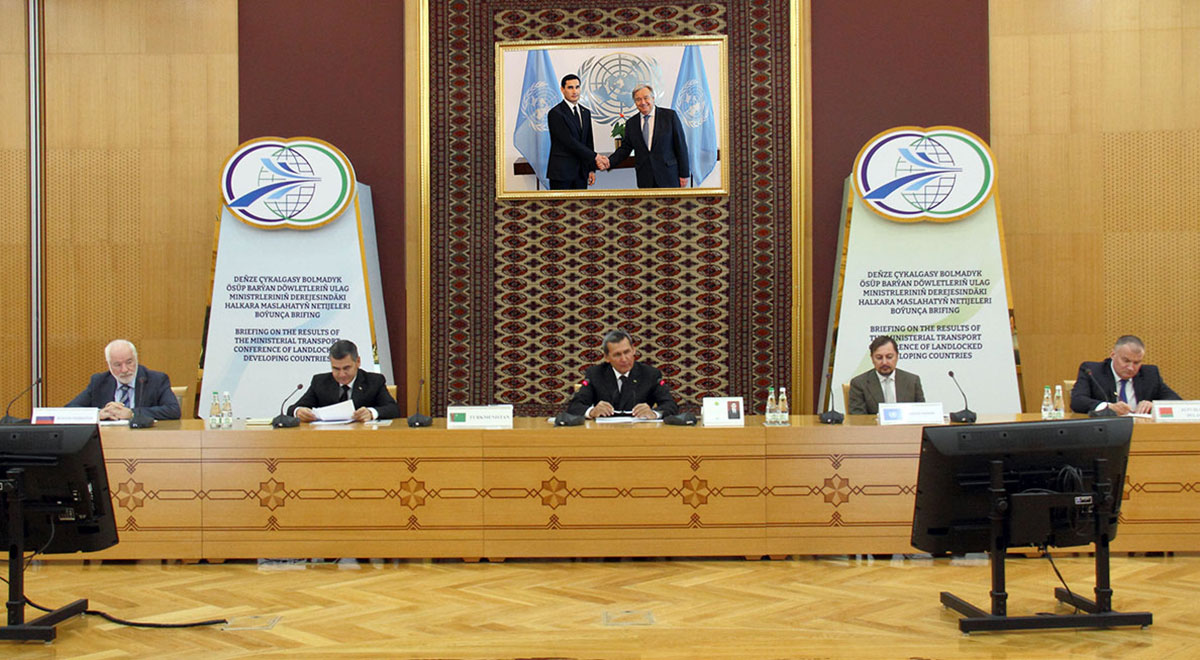
A briefing was held at the Ministry of Foreign Affairs of Turkmenistan on the results of the interna...
Article Summary:
The International Conference of Ministers of Transport of Landlocked Countries concluded on August 19 at the Ministry of Foreign Affairs of Turkmenistan. The event brought together heads of diplomatic missions, representatives of international organizations, foreign journalists, and leaders from national media. Turkmenistan’s Vice Prime Minister and Minister of Foreign Affairs, Rashid Meredov, highlighted the conference’s high international significance, emphasizing transport development as a key condition for stability in the region.
Key Points:
Actionable Takeaways:
Contextual Insights:
The conference reflects ongoing global efforts to enhance transport infrastructure in landlocked countries, a critical aspect of the travel industry. With the increasing importance of logistics and supply chain efficiency, advancements in transport technology and policy are pivotal. The involvement of diplomatic missions and international organizations underscores the interconnected nature of global transport networks and the need for collaborative solutions. For travel startups and fintech innovators, this context presents opportunities in developing solutions that support the operational and financial aspects of transport in these regions, such as financing logistics operations or improving cross-border payment systems.
Read the Complete Article.
Experience the magic of the Nile aboard Kenzy Dahabeya, a luxury boutique sailing cruise that offers an unforgettable journey between...
Read moreDetails



