












Comprehensive Summarization:
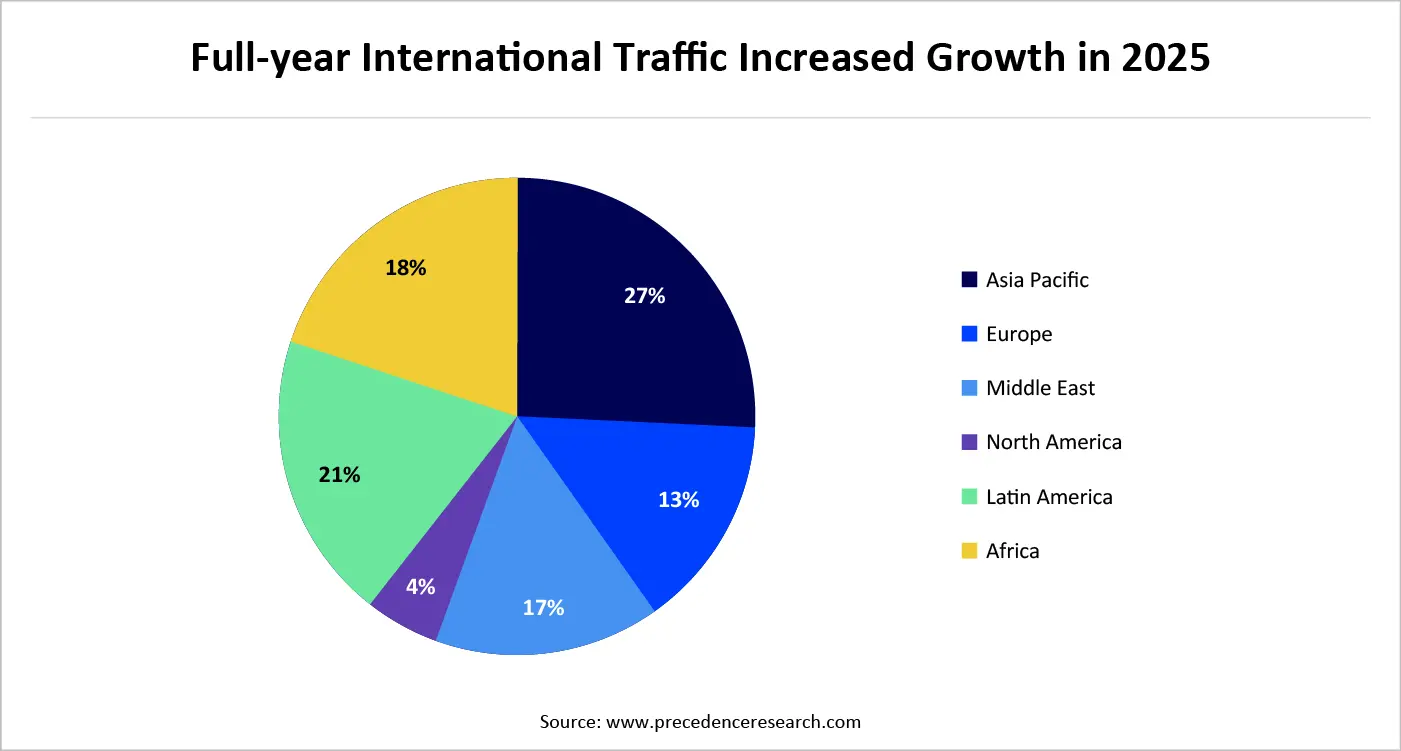
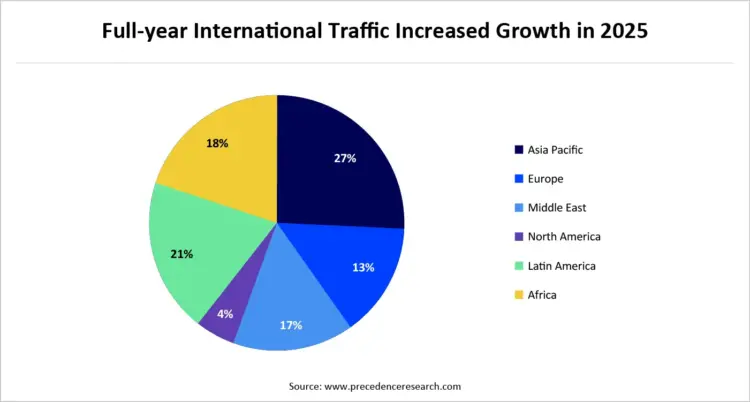
The article discusses the rising demand for air travel, which is prompting airlines to adopt artificial intelligence (AI) to enhance cost efficiency and expand capacity. According to the International Air Transport Association, airlines could achieve a profit of $41 billion by 2026. This growth is anticipated to be led by the Asia Pacific and Europe regions, despite facing challenges such as cost pressures, supply chain issues, and regulatory hurdles. The article also touches on the broader travel industry trends and insights from thought leaders, highlighting the importance of innovation and adaptation in the face of evolving market conditions.
Key Points:
- Air travel demand is projected to increase significantly by 2026, driven by various factors.
- Airlines are responding to this demand by leveraging AI technologies to improve operational efficiency and expand their capacity.
- The International Air Transport Association predicts airlines could achieve a profit of $41 billion by 2026.
- The Asia Pacific and Europe regions are expected to lead this growth, despite facing challenges such as cost, supply chain, and regulatory issues.
Actionable Takeaways:
-
Adopt AI for Operational Efficiency: Airlines should prioritize the integration of AI technologies to enhance operational efficiency, reduce costs, and improve capacity management. This strategic move is crucial for maintaining profitability amidst rising demand and industry challenges.
-
Focus on Regional Growth Opportunities: Airlines should concentrate on the Asia Pacific and Europe markets, which are poised for significant growth. Tailoring strategies to meet the specific needs and preferences of these regions can provide a competitive edge and capitalize on emerging opportunities.
-
Invest in Regulatory Compliance and Supply Chain Resilience: Given the regulatory challenges and supply chain issues faced by the industry, airlines must invest in robust compliance frameworks and resilient supply chain strategies. This will help mitigate risks and ensure smooth operations, even in a volatile market environment.
Contextual Insights:
The article reflects the current state of the travel industry, characterized by a surge in demand and the need for airlines to innovate and adapt. The emphasis on AI and cost efficiency underscores the industry’s shift towards digital transformation. The prediction of $41 billion in profits by 2026 highlights the potential for substantial returns on investment in technology and strategic expansion. Furthermore, the focus on the Asia Pacific and Europe regions aligns with broader travel trends, where these markets are experiencing robust growth. Thought leaders emphasize the importance of staying agile and responsive to market dynamics, ensuring that airlines can navigate challenges and capitalize on opportunities effectively. This forward-looking perspective is essential for stakeholders aiming to thrive in an increasingly competitive and dynamic industry landscape.
Read the Complete Article.


