













Article Summary:
The article discusses the significant increase in hotel room prices in Milan during the middle week of the Winter Olympics, with an average price of €516, marking a 103% Year-on-Year (YoY) change compared to the same period in 2025. Despite this surge, the article highlights that Milan’s city center lacks suitable downhill ski courses, leading to ‘clusters’ of venues north of Verona and Venice for sports enthusiasts. The context provided emphasizes the impact of major events on travel demand and pricing, as well as the geographical limitations of certain destinations.
Key Points:
- Hotel room prices in Milan averaged €516 during the middle week of the Winter Olympics, representing a 103% YoY increase.
- The overall advertised price for a standard hotel room in Milan over three weeks was €481.
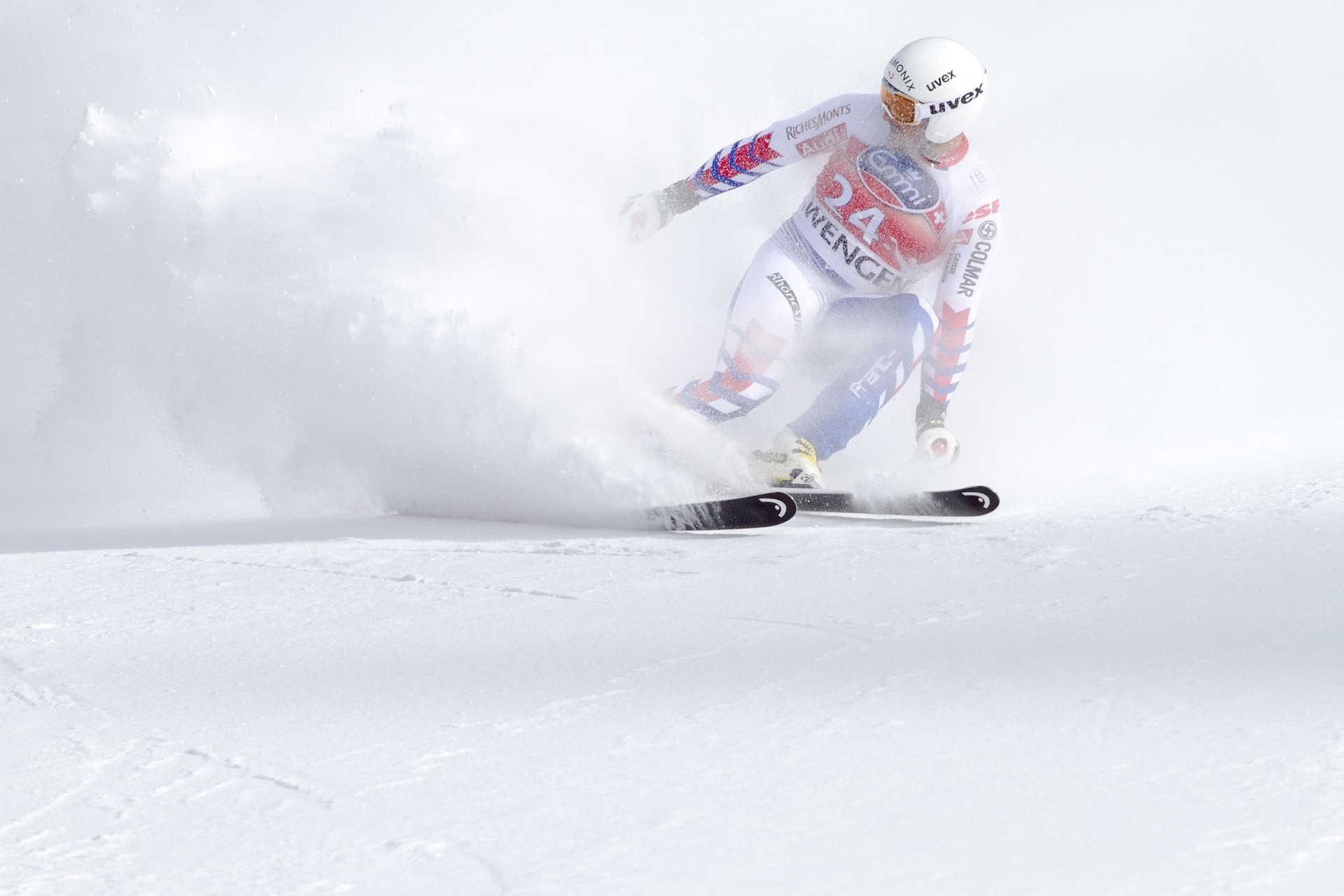
- Milan’s city center lacks suitable downhill ski courses, prompting the establishment of ski ‘clusters’ north of Verona and Venice.
Actionable Takeaways:
- Hotel Pricing Strategy: Travel agencies and hospitality businesses should monitor and prepare for significant price fluctuations during major events like the Winter Olympics. Implementing dynamic pricing models can help maximize revenue during peak times.
- Geographical Diversification: For ski enthusiasts, exploring ski ‘clusters’ north of Verona and Venice could offer a viable alternative to the city center, potentially attracting more visitors and boosting local economies in these areas.
- Market Demand Analysis: Stakeholders in the travel industry should analyze the demand patterns associated with major events to optimize resource allocation and marketing strategies, ensuring they capitalize on increased visitor numbers.
Contextual Insights:
The surge in hotel prices in Milan during the Winter Olympics underscores the profound impact of major sporting events on travel demand and pricing dynamics. This trend is indicative of a broader industry shift towards event-driven pricing strategies, where hotels and travel services adjust their offerings and rates in response to anticipated visitor influxes. The article also highlights the geographical constraints faced by Milan, which necessitate the creation of ski ‘clusters’ to cater to the sporting interests of tourists. This reflects a growing trend in the travel industry towards diversifying destinations to accommodate niche interests, thereby expanding market reach and enhancing visitor experiences. Furthermore, the article aligns with current industry insights on the importance of real-time data analytics in predicting and managing demand fluctuations, emphasizing the need for travel businesses to leverage technology for agile pricing and operational adjustments.
Read the Complete Article.



