











Comprehensive Summarization:
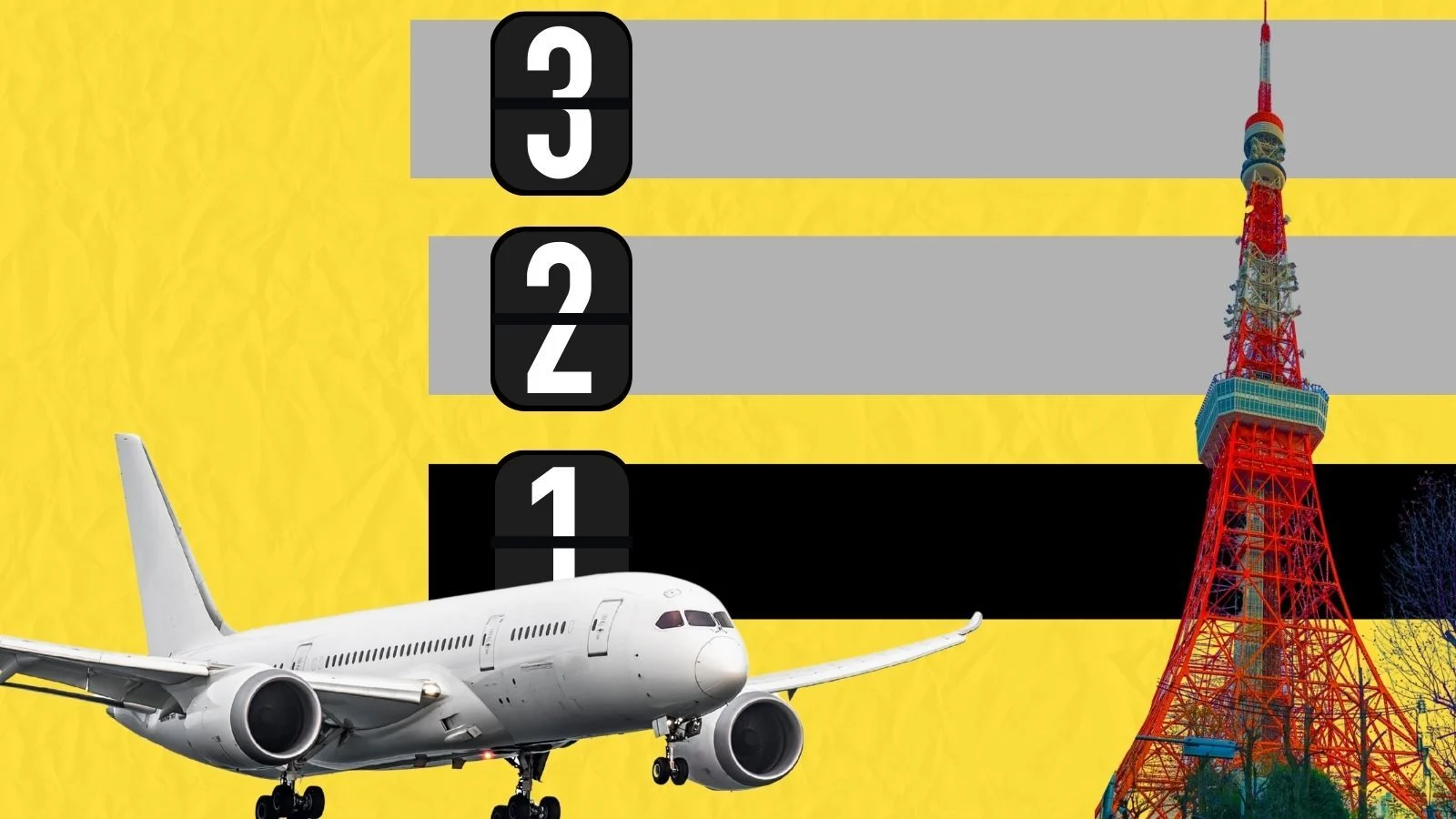
The article provides a detailed analysis of the busiest airports in the Asia Pacific region for the year 2025, based on total scheduled seats. It highlights that Japan’s Tokyo International Airport (Haneda) leads with 55,357,501 seats, followed by Shanghai Pudong International Airport (PVG) with 51,073,166 seats. The article emphasizes the region’s aviation market, shaped by a mix of mega-hubs across East Asia, South Asia, and Southeast Asia. It also mentions the inclusion of Baiyun International Airport (CAN) among the top airports, though the exact number of seats is not specified. The piece underscores the significance of these airports in the global aviation landscape and their role in shaping the travel industry.
Key Points:
- Tokyo International Airport (Haneda) in Japan is the busiest airport in the Asia Pacific region for 2025, handling 55,357,501 scheduled seats.
- Shanghai Pudong International Airport (PVG) in China ranks second with 51,073,166 seats.
- Baiyun International Airport (CAN) in China is also among the top busiest airports in the region.
- The Asia Pacific aviation market is dominated by a mix of mega-hubs across East Asia, South Asia, and Southeast Asia.
- The article underscores the importance of these airports in shaping the global travel industry.
Actionable Takeaways:
-
Investment in Airport Infrastructure: Given the high volume of passengers passing through these major airports, there is a significant opportunity for airlines and airport authorities to invest in infrastructure improvements, such as enhanced passenger flow systems, to manage the increasing traffic efficiently. This could lead to improved passenger experiences and increased operational efficiency.
-
Focus on Regional Connectivity: The dominance of East Asian airports suggests a strong regional focus in air travel. Airlines and travel agencies could capitalize on this trend by developing more routes and partnerships within the Asia Pacific region, enhancing connectivity and making travel more accessible for passengers in this area.
-
Technological Integration: The article hints at the role of technology in managing high passenger volumes. Airlines and airports could leverage advanced technologies such as AI-driven passenger flow management systems, biometric check-ins, and smart baggage handling to streamline operations and enhance security, thereby improving overall efficiency and passenger satisfaction.
Contextual Insights:
The article reflects the current state of the Asia Pacific aviation market, characterized by a high demand for air travel, particularly in major hubs like Tokyo, Shanghai, and Guangzhou. The dominance of these airports highlights the region’s growing economic and tourism importance. As the travel industry continues to recover and expand post-pandemic, airports in these regions are likely to see further growth, driven by increasing domestic and international travel. This trend is supported by thought leaders who predict a continued rise in air travel demand, especially as connectivity between regions improves. Furthermore, the integration of advanced technologies in airport operations is becoming increasingly crucial, as highlighted by recent innovations in passenger flow management and security systems. These developments not only enhance operational efficiency but also contribute to a more seamless travel experience for passengers, aligning with broader industry trends towards digital transformation and sustainability.
Read the Complete Article.






