












Comprehensive Summarization:
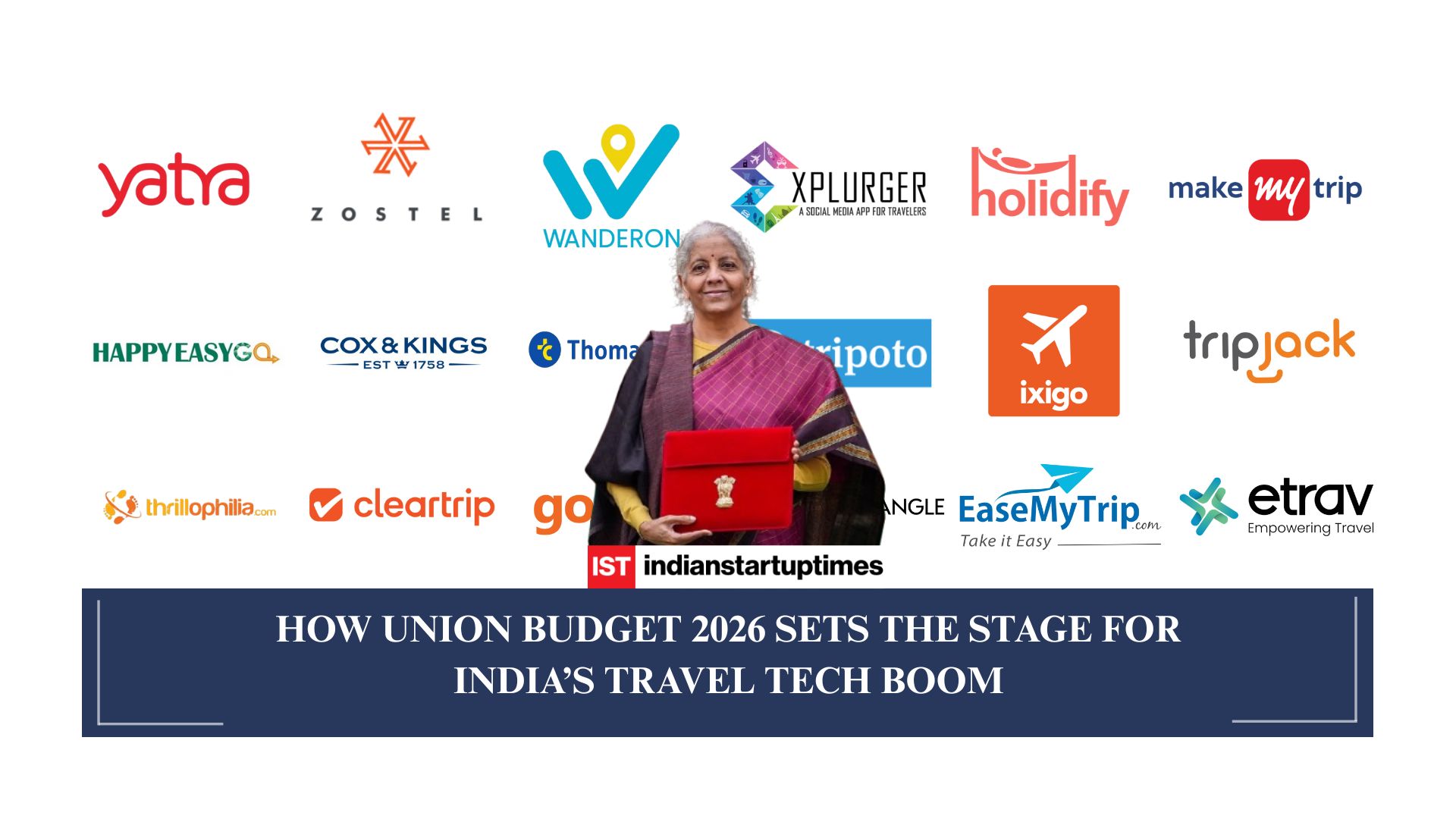
The Union Budget 2026 is poised to be a pivotal moment for India’s travel and tourism sector. The budget outlines a strategic roadmap for the industry’s growth, emphasizing digital transformation, experiential travel, and scalability. Key investments are directed towards enhancing connectivity, developing destinations, upskilling hospitality professionals, and implementing tax reforms. These measures are designed to create a conducive environment for travel-tech platforms, focusing on bookings, discovery, mobility, and curated experiences. The government’s initiatives aim to bolster infrastructure readiness, streamline compliance, and foster consumer confidence, thereby paving the way for sustained growth in the travel sector beyond 2026.
Key Points:
- The Union Budget 2026 is expected to significantly impact India’s travel and tourism ecosystem by setting a clear growth roadmap.
- Investments in connectivity, destination development, hospitality skilling, and tax reforms are highlighted as crucial for industry expansion.
- The focus on travel-tech platforms indicates a push towards digital transformation and innovation within the sector.
- Enhanced infrastructure readiness and compliance measures are expected to build consumer confidence, facilitating industry growth.
- The budget signals a commitment to creating a robust ecosystem for travel and tourism, supporting both startups and established players.
Actionable Takeaways:
-
Invest in Digital Infrastructure: Companies should prioritize investments in digital infrastructure to leverage the budget’s focus on connectivity and digital transformation. This will enhance operational efficiency and customer experience, aligning with the industry’s growth trajectory.
-
Focus on Upskilling Hospitality Professionals: With the emphasis on hospitality skilling, businesses should invest in training and development programs for their staff. This will ensure a high-quality service experience, crucial for attracting and retaining customers in the competitive travel market.
-
Leverage Tax Reforms: The introduction of tax reforms presents an opportunity for travel businesses to optimize their financial strategies. Companies should explore these reforms to reduce operational costs and improve profitability, thereby enhancing their competitive edge.
Contextual Insights:
The Union Budget 2026 reflects a strategic shift towards digitalization and experiential travel, aligning with current industry trends that emphasize technology-driven solutions and personalized travel experiences. The focus on connectivity and destination development underscores the importance of seamless travel experiences, which are increasingly sought after by modern travelers. Furthermore, the emphasis on hospitality skilling and tax reforms highlights the government’s commitment to fostering a skilled workforce and a conducive business environment. These developments are likely to have a profound impact on travel startups and fintech innovations, encouraging the adoption of advanced technologies and innovative business models. As the travel industry continues to evolve, staying abreast of such government initiatives will be crucial for businesses aiming to thrive in the competitive landscape.
Read the Complete Article.



