












Comprehensive Summarization:
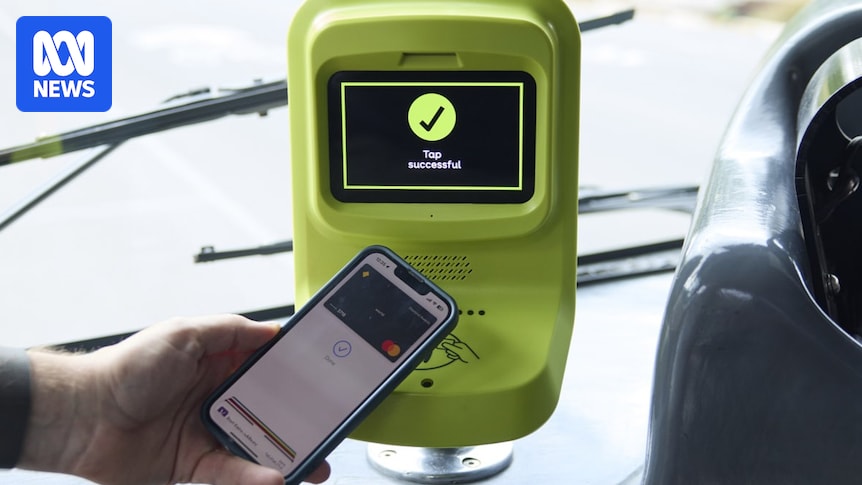
The article reports on a contactless payment trial for public transport in Victoria, Australia, which is set to enter the final stages of testing. This initiative, part of the contract awarded to US-French company Conduent when it took over the myki ticketing system in 2023, aims to allow Victorians to pay for public transport using credit cards or smartphones. However, the scheme has faced delays and criticism for what some have termed “pointless” testing, leading to Victoria’s public transport payment system falling behind other cities. The government has announced that controlled laboratory testing involving various bank cards and smart devices will commence next month, followed by public trials of contactless payment across the state’s public transport system.
Key Points:
- A contactless payment trial for public transport in Victoria is entering its final stages of testing.
- The trial, involving a range of bank cards and smart devices, will begin next month with controlled laboratory testing.
- Public trials of contactless payment on Victoria’s public transport system are planned to follow.
- The scheme was introduced as part of a contract awarded to Conduent when it took over the myki ticketing system in 2023.
- The trial has faced delays and criticism, with accusations that the testing of ticketless travel technology has been “pointless.”
Actionable Takeaways:
-
Adoption of Contactless Payment Technology: The introduction of contactless payment for public transport in Victoria represents a significant step forward in the adoption of modern payment technologies in the travel industry. This move aligns with global trends towards digital and contactless payments, enhancing convenience for users and potentially increasing ridership. For travel companies and public transport authorities, investing in such technologies could improve customer satisfaction and operational efficiency.
-
Importance of Timely Implementation: The delays and criticisms faced by the trial highlight the importance of timely implementation and effective communication in the rollout of new technologies. Delays can lead to falling behind competitors and losing market advantage. For stakeholders in the travel industry, ensuring that new technologies are implemented promptly and transparently can mitigate public skepticism and ensure the technology meets user needs effectively.
-
Monitoring Public Perception and Feedback: The trial’s success will largely depend on public acceptance and feedback. Monitoring and addressing concerns promptly can help in refining the technology and ensuring it meets user expectations. For travel companies, establishing channels for user feedback and actively engaging with the public during trials can provide valuable insights for future improvements and innovations.
Contextual Insights:
The introduction of contactless payment for public transport in Victoria reflects broader industry trends towards digitalization and the integration of fintech solutions in travel services. As highlighted by thought leaders in the travel industry, the shift towards contactless and mobile payments is driven by increasing consumer demand for convenience and efficiency. This trend is supported by data showing a growing preference for digital payment methods across various sectors, including travel and transportation.
Moreover, the trial’s challenges underscore the need for robust testing and planning in the deployment of new technologies. The criticism faced by the scheme highlights the importance of addressing potential issues early on to prevent public dissatisfaction and ensure the technology’s success. Experts in the field recommend that travel companies and public transport authorities engage with users throughout the testing phase to gather feedback and make necessary adjustments, thereby enhancing the technology’s acceptance and effectiveness.
In the context of travel startups and fintech innovations, this trial serves as a case study in the challenges and opportunities associated with integrating new payment technologies into public services. It emphasizes the importance of agile development processes, user-centric design, and continuous improvement to meet the evolving needs of consumers in the digital age. As the travel industry continues to evolve, staying abreast of such developments and adapting to technological advancements will be crucial for maintaining competitiveness and enhancing the travel experience.
Read the Complete Article.



