












Article Summary:
The article discusses a study led by Stefan Gössling, a professor of Tourism Research at Linnaeus University, which suggests that airlines could reduce carbon emissions by up to 50% by implementing three key strategies: eliminating premium seating, using newer aircraft, and maximizing seat occupancy. The study analyzed over 27 million flights and highlights that Sustainable Aviation Fuel (SAF), which could reduce emissions by up to 70%, currently accounts for only 0.8% of jet fuel. Gössling emphasizes that SAF is not sufficient to meet the aviation industry’s 2050 net-zero goal, suggesting a shift in focus towards these operational changes.
Key Points:
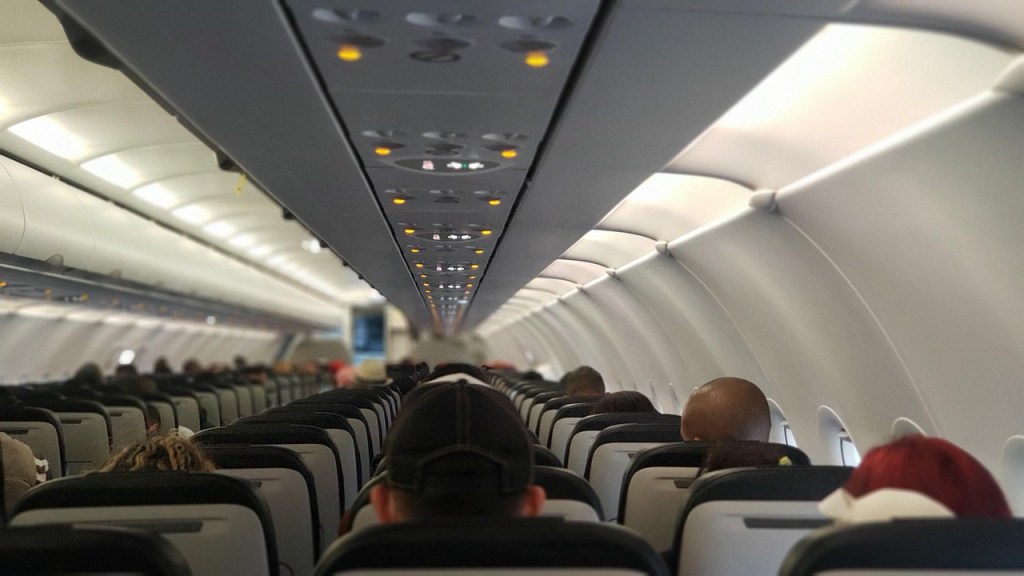
- Airlines can cut carbon emissions by up to 50% by eliminating premium seating, using newer aircraft, and maximizing seat occupancy.
- Sustainable Aviation Fuel (SAF) currently accounts for only 0.8% of jet fuel and is insufficient to meet the industry’s 2050 net-zero goal.
- Stefan Gössling, the study’s lead, advocates for a shift from reliance on SAF to operational changes in aviation.
Actionable Takeaways:
- Operational Efficiency in Aviation: Airlines should prioritize operational efficiency by eliminating premium seating, adopting newer aircraft, and maximizing seat occupancy to significantly reduce carbon emissions. This approach is practical and directly actionable for airlines looking to meet sustainability goals without relying solely on SAF.
- Focus on SAF Expansion: While SAF has the potential to reduce emissions by up to 70%, its current market penetration is minimal (0.8% of jet fuel). Airlines and industry stakeholders should accelerate efforts to expand SAF production and adoption to complement operational changes and meet long-term sustainability targets.
- Strategic Investment in Newer Aircraft: Investing in newer, more fuel-efficient aircraft is a critical step for airlines aiming to reduce their carbon footprint. This takeaway underscores the importance of technological advancement in the aviation sector as a viable strategy for achieving sustainability goals.
Contextual Insights:
The article reflects a broader industry trend towards sustainability and operational efficiency in aviation. With the aviation sector facing increasing pressure to reduce its carbon footprint, airlines are exploring various strategies beyond SAF, such as operational adjustments. This shift aligns with the growing emphasis on sustainable practices across the travel industry, including the rise of eco-friendly travel startups and fintech solutions aimed at reducing travel-related emissions. The focus on newer aircraft and seat occupancy optimization also highlights the importance of technological innovation in achieving sustainability goals, suggesting that the industry is moving towards a more holistic approach that combines technological upgrades with operational strategies.
Read the Complete Article.



