












Article Summary:
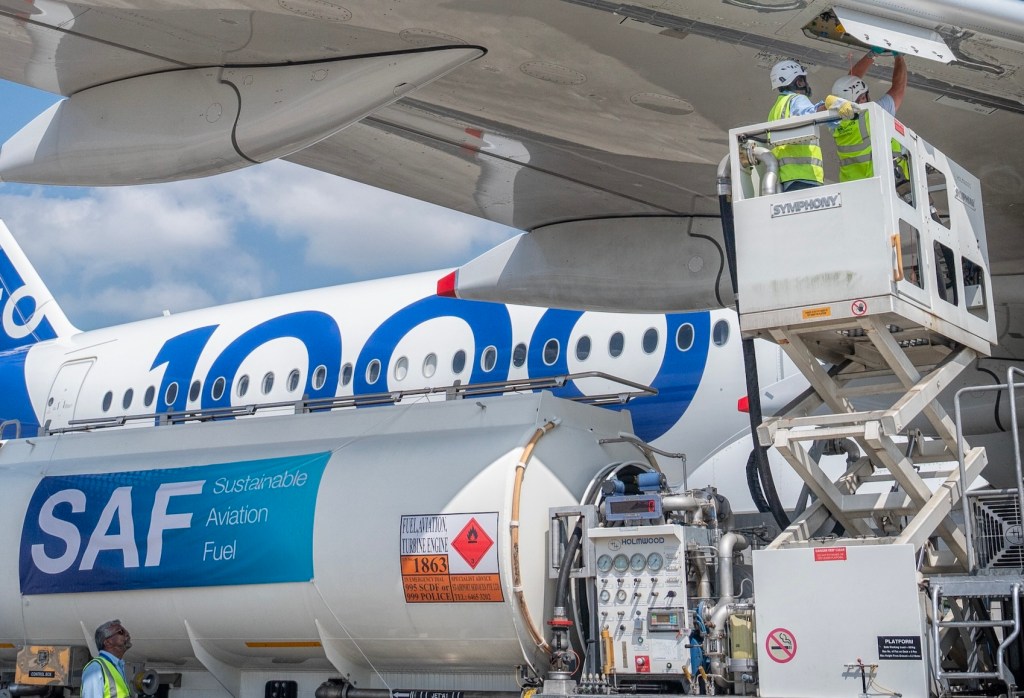
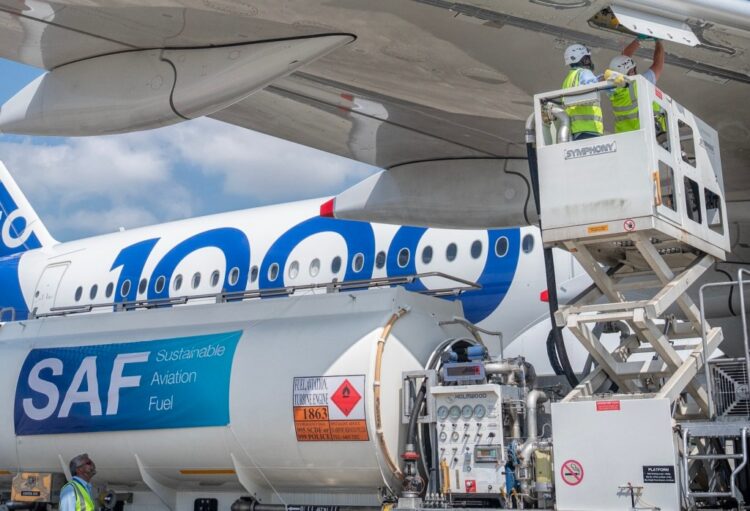
The global aviation industry’s decarbonization strategy is facing significant challenges, according to airline leaders who have directly blamed European governments for policies that have stalled production and increased costs. Willie Walsh, director general of the International Air Transport Association, emphasized that Europe’s fragmented policies are distorting markets, slowing investment, and hindering the scaling of sustainable aviation fuel (SAF) production. Walsh warned that SAF production is now projected to reach only 1.9 million tonnes, a significant decline from previous expectations. This situation underscores the urgent need for European regulators to reassess their approach and correct course to support the industry’s sustainability goals.
Key Points:
- European policies are hindering the aviation industry’s decarbonization efforts by distorting markets and slowing investment in sustainable aviation fuel production.
- Willie Walsh, director general of the International Air Transport Association, has criticized these fragmented policies, stating they are not working and need urgent correction.
- SAF production is expected to reach only 1.9 million tonnes, a sharp drop from previous projections, indicating a significant setback in the industry’s sustainability goals.
Actionable Takeaways:
- Policy Reassessment Needed: European regulators must urgently reassess and correct their fragmented policies to support the aviation industry’s decarbonization efforts. This is crucial as current policies are stalling production and increasing costs, directly impacting the industry’s ability to meet sustainability targets.
- Investment in Sustainable Aviation Fuel: There is an urgent need for increased investment in SAF production to meet the projected 1.9 million tonnes target. This includes both public and private sector initiatives to accelerate the scaling of SAF production and make it more economically viable.
- Collaboration Between Stakeholders: Collaboration between airlines, governments, and fuel producers is essential to overcome the challenges posed by fragmented policies. This partnership can help streamline regulatory processes, reduce costs, and accelerate the adoption of sustainable aviation fuels.
Contextual Insights:
The article highlights the critical juncture the global aviation industry finds itself in, particularly concerning its efforts to decarbonize. The reliance on European policies underscores the interconnectedness of global regulatory frameworks and their impact on industry-wide sustainability goals. The projection of SAF production reaching only 1.9 million tonnes signals a potential setback in the industry’s transition to more environmentally friendly practices. This situation is further exacerbated by the need for increased investment in SAF production, which requires coordinated efforts from all stakeholders. The insights from this article are particularly relevant for travel startups and fintech innovations, as they must adapt to the evolving regulatory landscape and invest in sustainable technologies to remain competitive. The emphasis on policy reassessment and stakeholder collaboration provides a forward-looking perspective on how the industry can navigate these challenges and move towards a more sustainable future.
Read the Complete Article.



