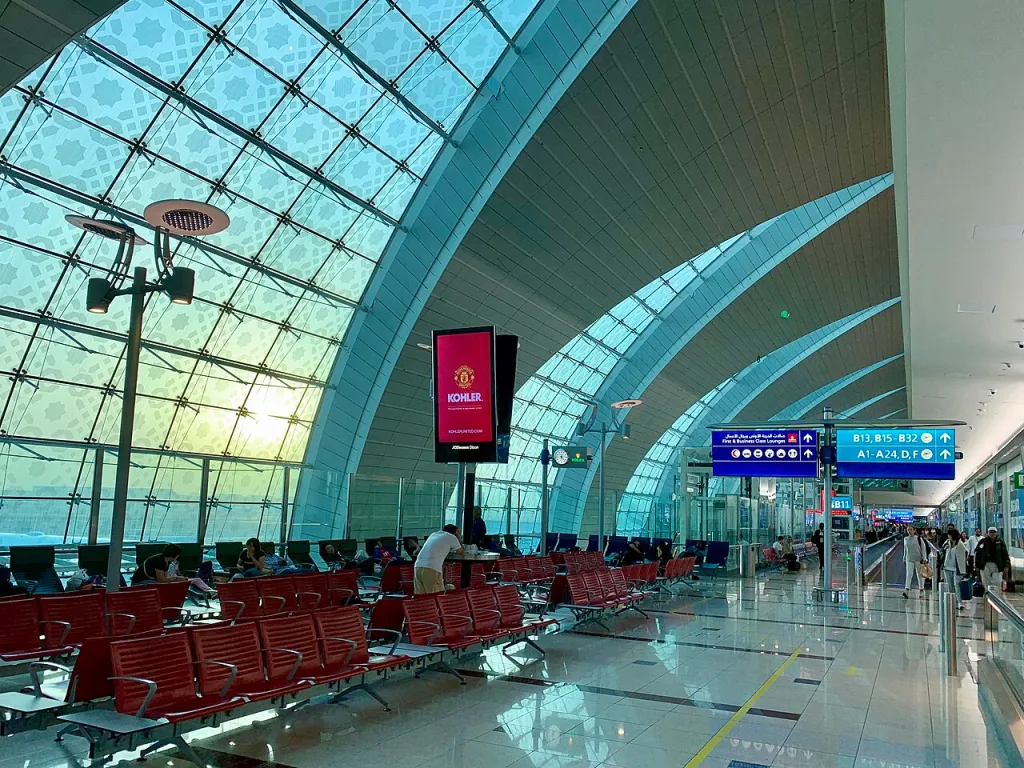
Korean Air-Asiana: Final Phase Mergers Announced
Comprehensive Summarization: Asiana Airlines shareholders approved the merger with Korean Air on Wednesday, marking a significant step towards the official...
Read moreDetails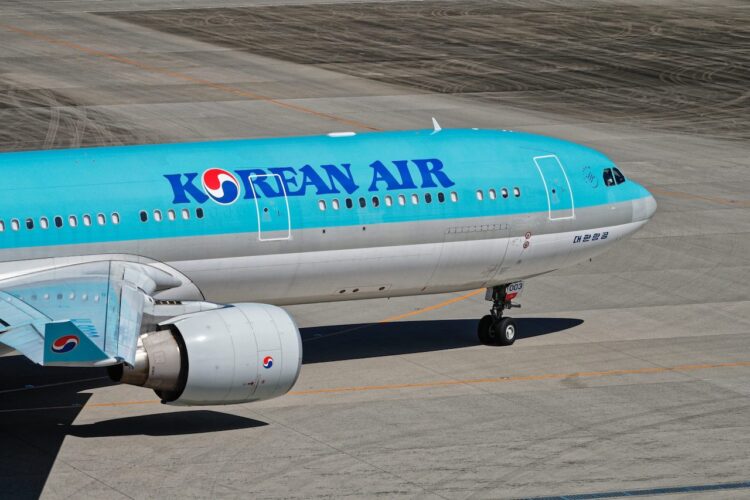
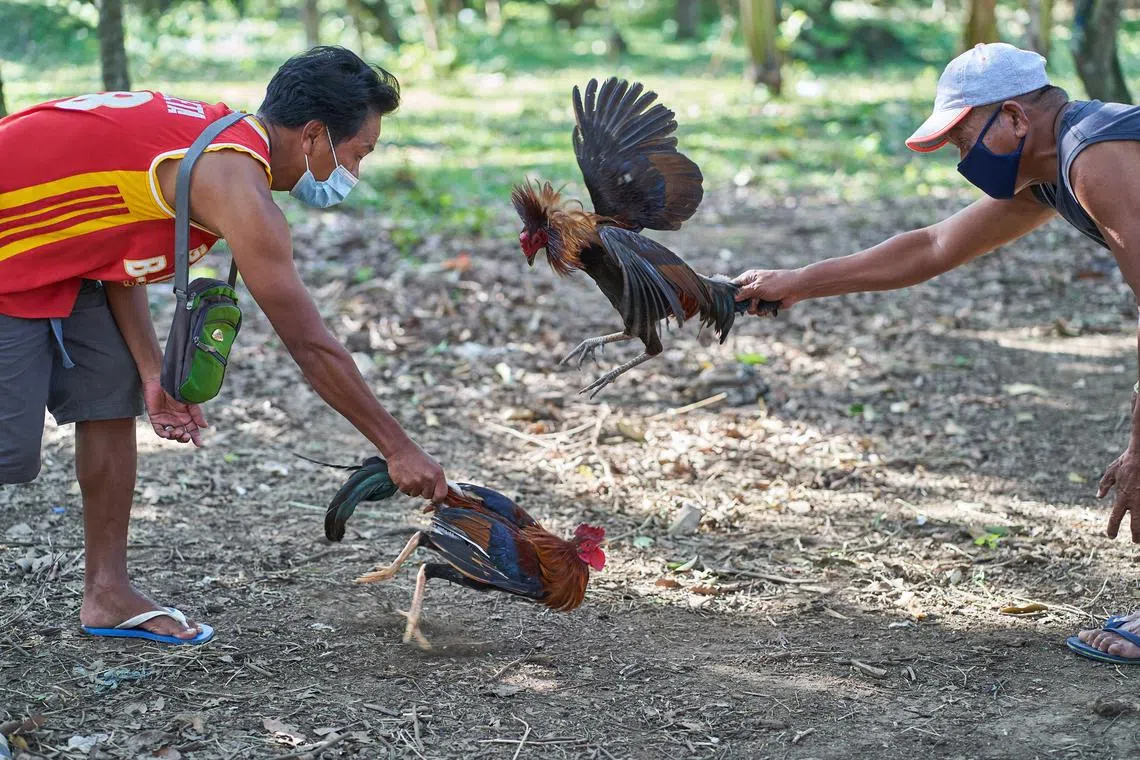
Korean Air prohibits transport of live roosters from US to Philippines amid bloodsport allegations
Comprehensive Summarization:
Korean Air has announced a ban on transporting roosters on its aircraft routes from the United States to the Philippines, following allegations of birds being trafficked for cockfighting. The ban, though not explicitly mentioned as related to bloodsports in the press releases, was communicated in a statement to AFP. Korean Air has suspended the transportation of roosters of all ages on these routes. The article also touches upon the broader travel industry trends and insights from thought leaders, highlighting the importance of ethical considerations in the transport sector and the evolving landscape of travel regulations.
Key Points:
Actionable Takeaways:
Ethical Standards in Animal Transport: Airlines should implement stricter policies and regulations regarding the transport of live animals, especially those involved in activities like cockfighting. This move by Korean Air sets a precedent for other carriers to follow, potentially leading to industry-wide ethical standards in animal transport.
Regulatory Compliance and Reputation Management: Airlines must ensure compliance with local and international laws regarding the transport of animals. Failure to do so can lead to reputational damage and legal repercussions. Korean Air’s proactive stance may serve as a benchmark for other airlines to enhance their compliance frameworks.
Innovation in Animal Transport Solutions: The incident highlights the need for technological innovations in animal transport, such as monitoring systems to ensure humane treatment during flights. Airlines investing in such technologies could gain a competitive edge by offering more ethical and reliable transport options for live animals.
Contextual Understanding:
The ban on transporting roosters by Korean Air is a significant development in the context of animal welfare and regulatory compliance within the travel industry. Recent trends indicate a growing emphasis on ethical considerations in all aspects of travel, including the transport of live animals. This aligns with broader industry shifts towards sustainability and responsible practices. Thought leaders in the travel sector are increasingly advocating for transparency and ethical standards, which Korean Air’s decision reflects. The move also underscores the potential for technology to play a crucial role in ensuring compliance and enhancing the welfare of animals transported via air travel.
Handling Different Article Types:
The article in question is a news blurb, providing factual information about a specific action taken by Korean Air. The structured output format is tailored to present this type of content clearly and concisely, ensuring that the key points and actionable insights are easily digestible for a professional audience. Given the nature of the article, there are no opinion pieces or feature articles to analyze, focusing solely on factual reporting and its implications.
Read the Complete Article.
Comprehensive Summarization: Asiana Airlines shareholders approved the merger with Korean Air on Wednesday, marking a significant step towards the official...
Read moreDetails
Experience the magic of the Nile aboard Kenzy Dahabeya, a luxury boutique sailing cruise that offers an unforgettable journey between...
Read moreDetails