












Article Summary:
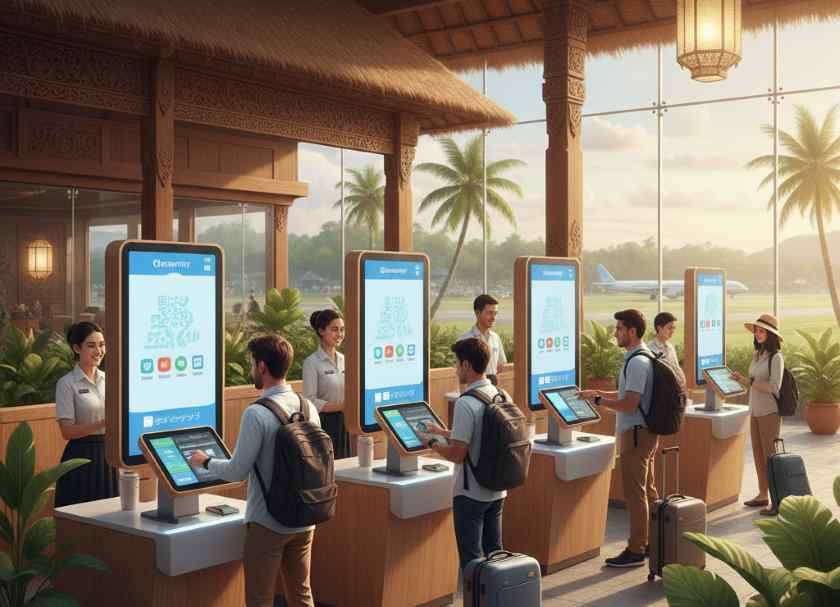
Bali, a leading tourist destination in Southeast Asia, is undergoing a significant transformation in its tourism infrastructure with the introduction of digital payment systems at top tourist attractions. This shift marks a departure from the island’s traditional reliance on cash transactions, catering to the preferences of modern-day travelers who favor convenience and seamless experiences. The adoption of digital payment systems aims to streamline transactions, making Bali more accessible and appealing to a broader international audience.
Key Points:
- Bali is transitioning from a cash-dependent tourism model to a digital payment system, reflecting the global trend towards cashless transactions.
- The shift is driven by the increasing number of international travelers visiting Bali, necessitating more efficient and modernized payment solutions.
- The introduction of digital payment systems aims to enhance convenience and streamline transactions for tourists, moving away from the previous reliance on cash and traveler’s cheques.
- High-end establishments and luxury resorts in Bali have already started accepting credit cards, signaling a gradual but significant shift in payment preferences among tourists.
Actionable Takeaways:
- Adoption of Digital Payment Systems: Travel businesses in Bali should consider integrating digital payment systems to cater to the evolving preferences of international tourists. This move can enhance customer satisfaction and streamline transaction processes, potentially leading to increased tourist satisfaction and repeat visits.
- Focus on Cashless Transactions: As the tourism sector adapts to the digital age, there is a growing emphasis on cashless transactions. Travel startups and fintech companies can capitalize on this trend by developing innovative payment solutions tailored for the tourism industry, such as mobile wallets or contactless payment options.
- Enhanced Customer Experience: By embracing digital payment systems, tourism businesses can offer a more seamless and convenient experience for travelers. This aligns with broader industry trends towards enhancing customer experience through technology, potentially positioning Bali as a leader in modern tourism infrastructure.
Contextual Insights:
The introduction of digital payment systems in Bali aligns with the broader global trend towards cashless transactions, driven by technological advancements and changing consumer preferences. This shift reflects the travel industry’s ongoing adaptation to modernization, emphasizing efficiency and convenience. As more travelers prioritize seamless experiences, tourism businesses that invest in digital payment solutions are likely to gain a competitive edge. Furthermore, this development underscores the importance of fintech innovations in the travel sector, highlighting the potential for startups to innovate and disrupt traditional payment models. By integrating these insights, stakeholders in the travel industry can better navigate the evolving landscape and capitalize on emerging opportunities.
Read the Complete Article.



