









Sail Through Time: Discover the Timeless Wonders of Upper Egypt Aboard Kenzy Dahabeya
Experience the magic of the Nile aboard Kenzy Dahabeya, a luxury boutique sailing cruise that offers an unforgettable journey between...
Read moreDetails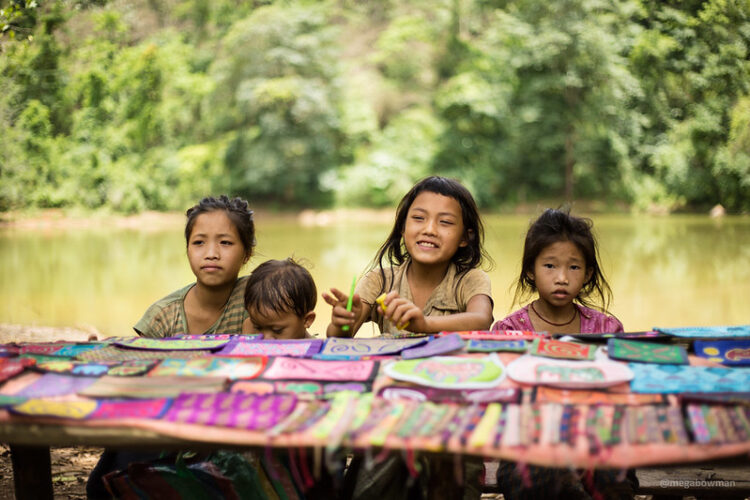
From Party Town to Ecotourism: Reducing Poverty in Vang Vieng
Comprehensive Summarization:
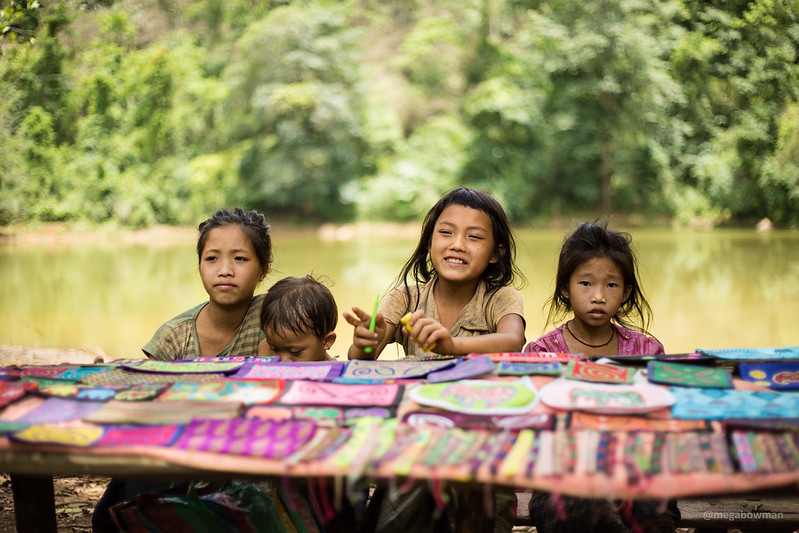
The article discusses the transformation of Vang Vieng, a small town in Laos, from a party destination to an ecotourism hub. This shift is significantly impacting local livelihoods and contributing to poverty reduction in the region. Vang Vieng, nestled against the Karst mountains and paddy fields, has long attracted backpackers and adventurous travelers. However, in recent years, the town has pivoted towards ecotourism, marking a notable change in its economic model and social dynamics. This transition is particularly relevant for a professional audience interested in travel industry developments, ecotourism trends, and poverty alleviation strategies in Southeast Asia.
Key Points:
Actionable Takeaways:
Ecotourism as a Poverty Reduction Strategy: The shift towards ecotourism in Vang Vieng demonstrates how sustainable tourism can be an effective strategy for poverty alleviation in developing regions. For travel industry stakeholders, this highlights the potential of ecotourism as a viable economic model that benefits local communities while preserving natural environments.
Importance of Sustainable Tourism Development: The article underscores the importance of transitioning from traditional tourism models to more sustainable and community-focused tourism. This shift not only aids in poverty reduction but also ensures the long-term viability of tourism destinations by protecting their natural and cultural assets.
Contextual Understanding:
The transformation of Vang Vieng reflects broader trends in the travel industry towards sustainability and community-centric models. Recent years have seen a global movement towards ecotourism, driven by increasing awareness of environmental issues and a desire for authentic travel experiences. This trend is supported by thought leaders who advocate for sustainable tourism practices that benefit local economies and ecosystems. The article’s focus on Vang Vieng provides a concrete example of how such strategies can be successfully implemented, offering valuable insights for travel startups and fintech innovators looking to invest in or partner with sustainable tourism projects.
Handling Different Article Types:
The article is a news brief that provides factual information about a specific development in the travel industry. It does not present an opinion piece or a feature article, so the analysis is strictly based on the presented facts and context. The structured output format ensures that the information is presented in a clear and professional manner, suitable for integration into reports or presentations aimed at a professional audience.
markdown
Comprehensive Summarization:
Vang Vieng, Laos, is transitioning from a party destination to an ecotourism-focused town, positively impacting local livelihoods and contributing to poverty reduction.
Key Points:
Actionable Takeaways:
Contextual Insights:
The shift in Vang Vieng exemplifies the global trend towards sustainable and community-focused tourism, offering valuable lessons for travel industry stakeholders and thought leaders.
Read the Complete Article.
Experience the magic of the Nile aboard Kenzy Dahabeya, a luxury boutique sailing cruise that offers an unforgettable journey between...
Read moreDetails



