









Sail Through Time: Discover the Timeless Wonders of Upper Egypt Aboard Kenzy Dahabeya
Experience the magic of the Nile aboard Kenzy Dahabeya, a luxury boutique sailing cruise that offers an unforgettable journey between...
Read moreDetails
Destination Campaigns: Ubatuba Leads 10 Hidden Brazil...
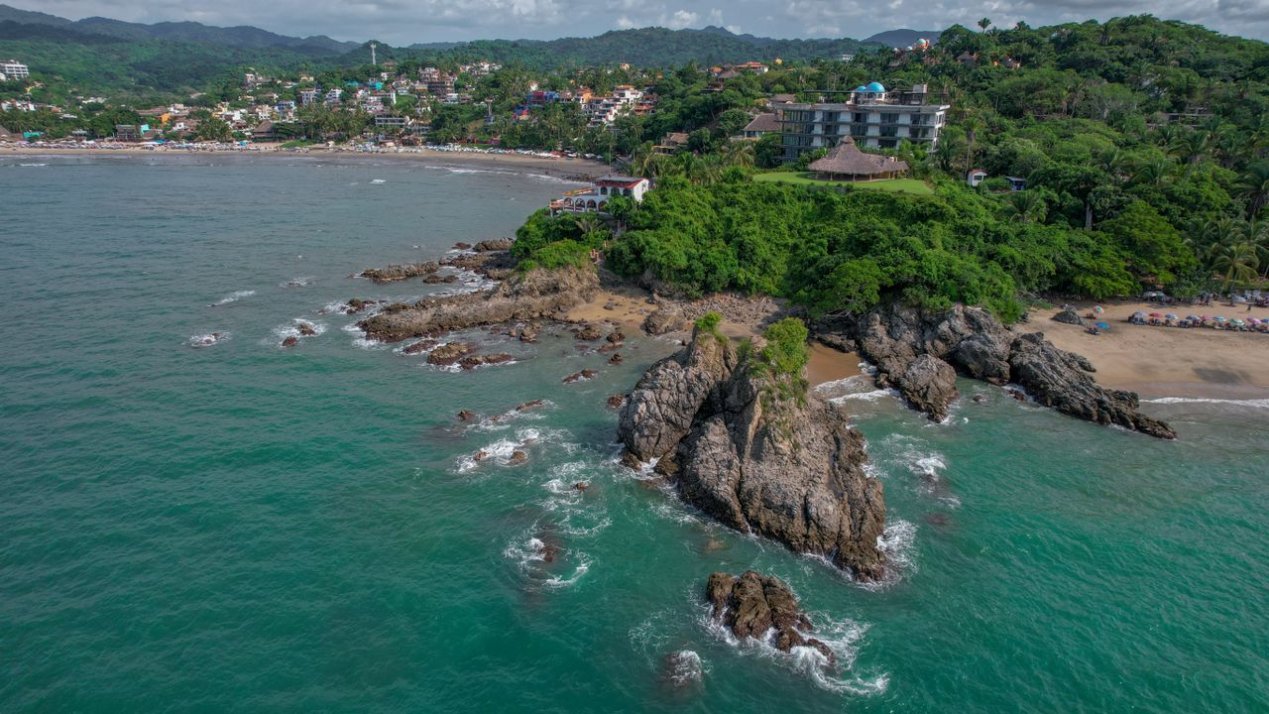
THE NEWS: Ubatuba leads a wave of ten hidden Brazilian destinations that are rewriting travel trends, backed by record national and regional visitor statistics, according to Brazil’s Ministry of Tourism.
DETAILS:
Decentralized destination‑marketing campaigns are coordinating visitor distribution to support local hotel occupancy in emerging eco‑tourism hubs.
Secondary coastal zones across Brazil are being repositioned as experiential havens rather than overlooked spots.
Historically, international tourism agencies focused almost exclusively on Rio de Janeiro and São Paulo, leaving smaller beach towns and interior reserves to rely on local demand.
WHY IT MATTERS: Diversifying tourist flows through decentralized marketing helps boost occupancy rates in smaller destinations, reduces pressure on major cities, and supports the growth of eco‑tourism hubs throughout Brazil.
FAQ
Which Brazilian destination is leading the wave of hidden spots reshaping travel trends?
Ubatuba is identified as the leading destination among ten lesser‑known Brazilian locations that are rewriting travel trends, according to the Ministry of Tourism, which cites record national and regional visitor statistics supporting the shift. These figures highlight the growing popularity of off‑the‑beaten‑path coastal towns.
What strategy is the Ministry of Tourism using to boost occupancy in emerging eco‑tourism hubs?
The Ministry of Tourism is employing decentralized destination‑marketing campaigns that coordinate visitor distribution, aiming to increase hotel occupancy rates in emerging eco‑tourism hubs across Brazil. By spreading tourists beyond Rio de Janeiro and São Paulo, the approach seeks to stimulate local economies and reduce pressure on major urban centers.
How have secondary coastal zones in Brazil changed their tourism positioning?
Secondary coastal zones in Brazil are transitioning from overlooked beach towns to experiential havens, a shift driven by changing travel planning that now favors eco‑tourism experiences over traditional metropolitan destinations such as Rio de Janeiro and São Paulo. This re‑positioning aims to attract a new segment of travelers seeking nature‑based activities.
Read Original Article.
Experience the magic of the Nile aboard Kenzy Dahabeya, a luxury boutique sailing cruise that offers an unforgettable journey between...
Read moreDetails



