












Article Summary:
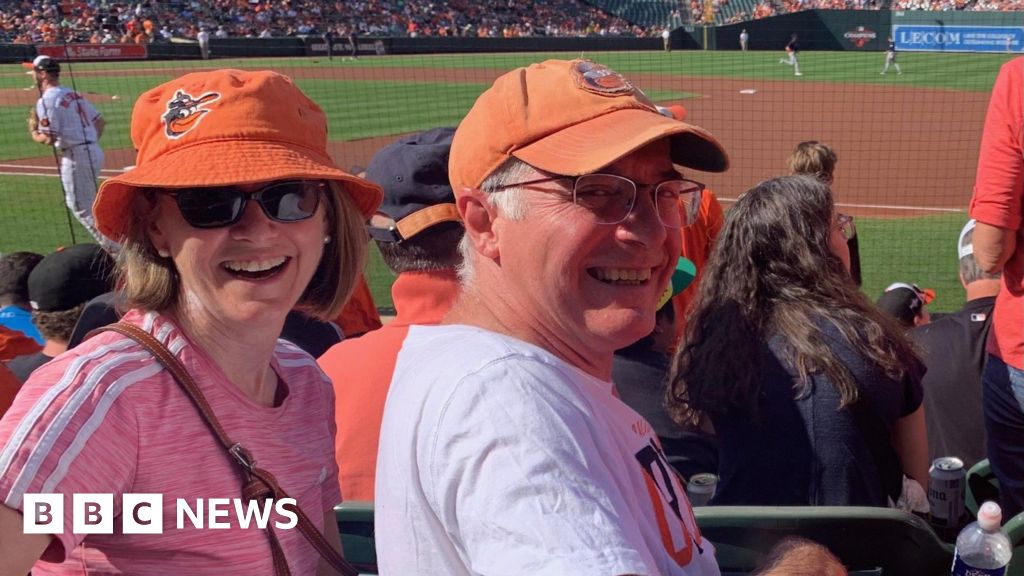
Kristy Gammon, a resident of Nova Scotia, used to travel to the US at least once every other year for ski trips and Baltimore Orioles baseball games. However, since President Donald Trump took office, she and many of her Canadian friends have decided to stop visiting the US as a form of protest against policies they oppose and trade actions taken by Trump. This change in travel behavior reflects a broader trend of political protest in travel, impacting both leisure and business travel sectors.
Key Points:
- Kristy Gammon and her husband used to travel to the US for Orioles games and ski trips, but have stopped due to political reasons.
- The decision to avoid US travel is part of a broader trend among Canadian travelers protesting Trump’s policies.
- This shift in travel behavior highlights the influence of political factors on travel decisions.
Actionable Takeaways:
- Political Influence on Travel: Travelers are increasingly considering political factors when planning trips, which could lead to a rise in travel insurance policies offering political risk coverage. This trend may prompt travel companies to develop more travel policies that cater to politically sensitive destinations.
- Market Segmentation: There is an opportunity for travel startups to target politically sensitive markets by offering tailored travel packages that cater to travelers avoiding certain regions due to political reasons. This could include customized travel itineraries, insurance options, and partnerships with local businesses in safe regions.
- Policy Advocacy in Travel: Travel agencies and tour operators could leverage their platforms to advocate for policy changes that affect travel, such as advocating for more lenient travel policies or addressing trade actions taken by political leaders. This could enhance their brand value and attract customers looking for socially conscious travel options.
Contextual Insights:
The article reflects a growing trend of political protest in travel, where travelers are making decisions based on their political beliefs and opposition to certain policies. This shift is particularly evident in the context of the US under President Donald Trump, where political disagreements have led to a decrease in cross-border travel between the US and Canada. This trend is not isolated to the US-Canada border but is a global phenomenon, with travelers increasingly considering political climates when planning their trips. The article also highlights the potential for travel startups to innovate by offering travel solutions that cater to politically sensitive markets, thereby tapping into a niche segment of the travel industry. This could lead to the development of new travel technologies and services aimed at mitigating the risks associated with politically sensitive travel, such as enhanced security measures, political risk insurance, and curated travel itineraries that avoid high-risk regions.
Read the Complete Article.



