












Article Summary:
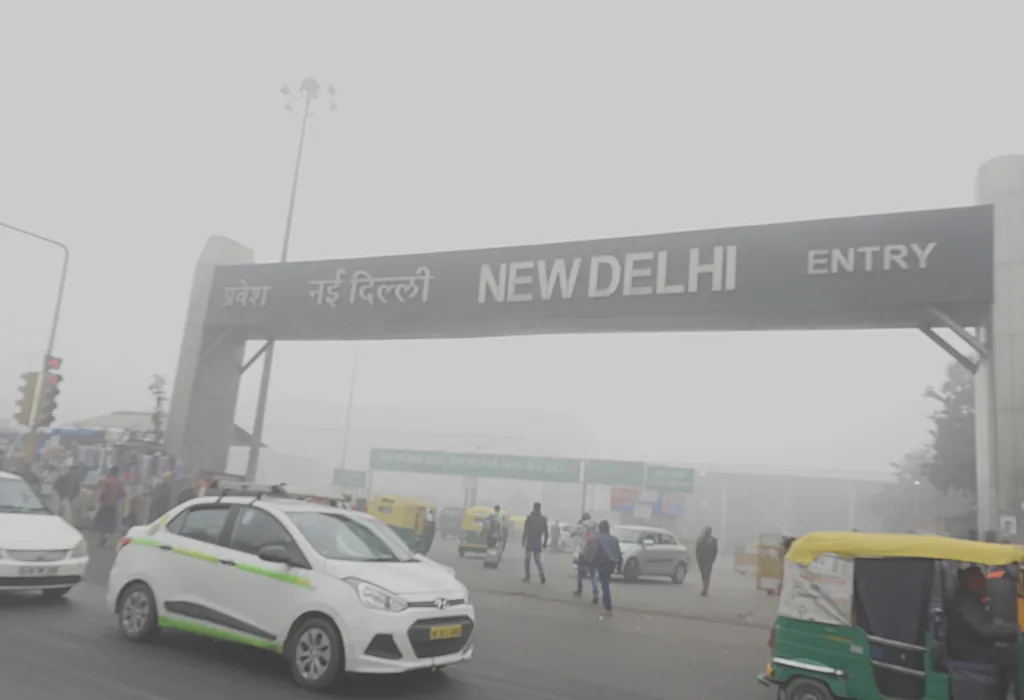
The article reports on severe weather conditions, specifically toxic smog and dense fog, which have led to the grounding of hundreds of flights at Indira Gandhi International Airport in Delhi. This disruption has been ongoing for three days during India’s peak tourism season, severely impacting flight services in New Delhi and other northern states. The airport spokesperson confirmed that several flights bound for New Delhi were unable to land and were diverted to other airports. Additionally, the air quality in Delhi reached a hazardous level of 493 on December 15, indicating the severity of the smog and fog situation.
Key Points:
- Toxic smog and dense fog have caused hundreds of flight cancellations and delays at Indira Gandhi International Airport in Delhi.
- The disruption has been ongoing for three days, impacting travel during India’s peak tourism season.
- Air quality in Delhi reached a hazardous level of 493 on December 15, indicating severe smog conditions.
- Flights unable to land in Delhi were diverted to other airports due to adverse weather conditions.
Actionable Takeaways:
-
Enhanced Weather Monitoring Systems: Implement advanced weather monitoring and forecasting systems to predict and mitigate the impact of severe weather conditions on air travel. This can help airlines proactively adjust flight schedules and inform passengers in advance, reducing the disruption caused by unexpected weather events.
-
Investment in Air Quality Management: Encourage airlines and airports to invest in air quality management strategies, such as improving filtration systems in airport terminals and providing real-time air quality updates to passengers. This can enhance passenger safety and comfort during travel disruptions caused by poor air quality.
-
Flexible Travel Policies: Develop flexible travel policies that allow passengers to easily reschedule or rebook flights in the event of severe weather disruptions. This can help mitigate the financial impact on travelers and improve their overall experience during travel disruptions.
Contextual Insights:
The article highlights the significant impact of severe weather conditions, specifically toxic smog and dense fog, on air travel during peak tourism seasons. This situation underscores the importance of robust weather monitoring systems and air quality management strategies in the travel industry. As India’s tourism season is a critical period for the travel sector, disruptions caused by adverse weather can have substantial economic implications. The emphasis on flexible travel policies reflects a growing industry trend towards enhancing passenger experience during unforeseen disruptions. These insights are crucial for travel startups and fintech companies looking to innovate in areas such as travel insurance, real-time travel updates, and customer support services. By addressing the challenges posed by severe weather, the travel industry can improve resilience and customer satisfaction, ultimately driving growth and stability in the sector.
Read the Complete Article.



