








Sail Through Time: Discover the Timeless Wonders of Upper Egypt Aboard Kenzy Dahabeya
Experience the magic of the Nile aboard Kenzy Dahabeya, a luxury boutique sailing cruise that offers an unforgettable journey between...
Read moreDetails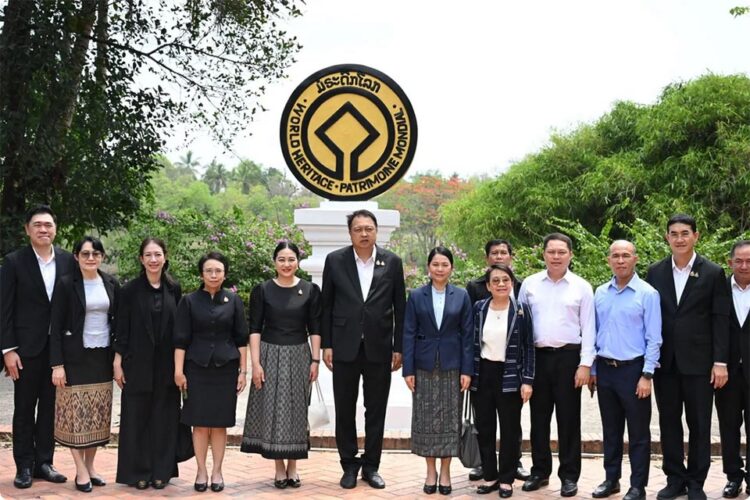
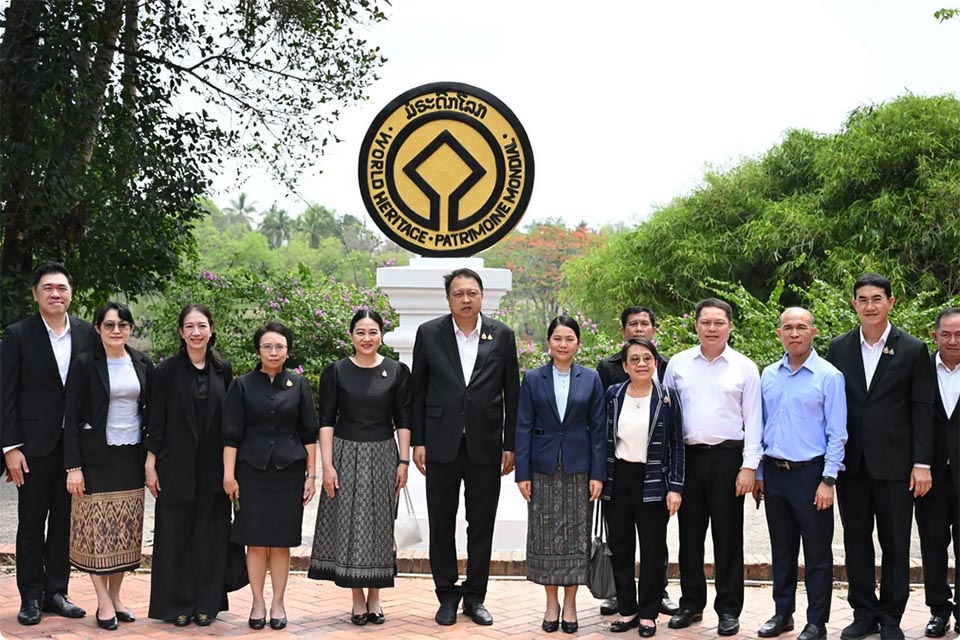
Minister Suchart Chomklin leads talks in Luang Prabang to enhance environmental management, heritage conservation, and sustainable tourism, with both sides agreeing on a joint action plan and expanded knowledge-sharing efforts.
Comprehensive Summarization:
The article reports on a significant diplomatic and cooperative effort between Thailand and Laos aimed at enhancing environmental management, heritage conservation, and sustainable tourism in Luang Prabang, a UNESCO World Heritage site. Minister of Natural Resources and Environment Suchart Chomklin led a delegation to Luang Prabang, where discussions were held with provincial officials and local authorities. The primary focus of the talks was on environmental management within the historic urban area, with both countries agreeing on a joint action plan and expanded knowledge-sharing efforts. The discussions underscore the commitment of both nations to preserving the cultural and natural heritage of Luang Prabang amidst rising tourism pressures.
Key Points:
Actionable Takeaways:
Enhanced Collaboration for Sustainable Tourism: The agreement on a joint action plan between Thailand and Laos presents an opportunity for enhanced collaboration in sustainable tourism practices. This could lead to improved environmental management strategies and better preservation of cultural heritage sites, benefiting both countries’ tourism industries in the long term.
Knowledge-Sharing Initiatives: The commitment to expanded knowledge-sharing efforts suggests a potential for innovative tourism management practices. By sharing insights and technologies, both nations can develop more effective strategies for balancing tourism growth with environmental conservation, setting a precedent for other heritage sites facing similar pressures.
Contextual Understanding:
The article reflects the ongoing global emphasis on sustainable tourism and heritage conservation, particularly in regions experiencing rapid tourism growth. The focus on Luang Prabang highlights the challenges faced by UNESCO World Heritage sites in maintaining their integrity while accommodating increasing visitor numbers. The emphasis on environmental management and heritage conservation aligns with current industry trends towards eco-tourism and responsible travel practices. The joint action plan signifies a proactive approach to addressing these challenges, potentially setting a benchmark for other heritage sites worldwide.
Handling Different Article Types:
The article is a news brief, providing factual information on a diplomatic initiative aimed at sustainable tourism and heritage conservation. The structured output format ensures that the key points and actionable takeaways are clearly delineated, making the information easily digestible for a professional audience. The contextual insights draw on current industry trends, such as the growing importance of sustainable tourism and heritage preservation, to provide forward-looking perspectives on the implications of the article’s content.
Read the Complete Article.
Experience the magic of the Nile aboard Kenzy Dahabeya, a luxury boutique sailing cruise that offers an unforgettable journey between...
Read moreDetails



