












Comprehensive Summarization:
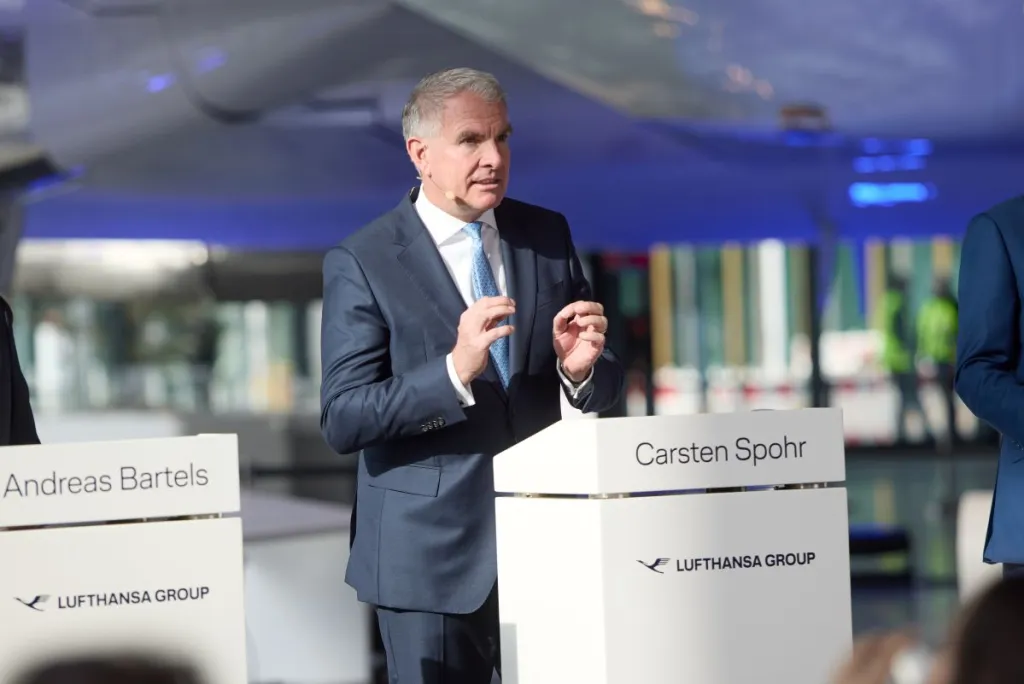
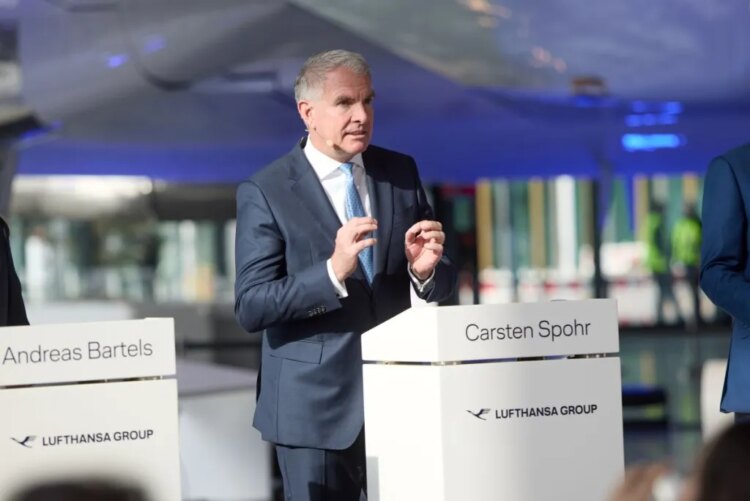
The article discusses the strategic vulnerability of the global aviation industry due to its heavy reliance on Gulf hubs, particularly in light of the ongoing war in the Middle East. Lufthansa Group CEO Carsten Spohr highlighted this issue during the release of the Lufthansa Group’s annual results. The war has led to airspace closures and airport disruptions, forcing Gulf carriers to scale back operations. This shift is causing significant shockwaves through international travel, exposing the industry’s structural dependency on these hubs. The article underscores the need for Europe to take notice of this vulnerability and consider strategic adjustments to mitigate risks associated with over-reliance on Gulf hubs.
Key Points:
- The war in the Middle East has exposed the aviation industry’s vulnerability to geopolitical tensions, particularly the concentration of traffic flows via Gulf hubs.
- Lufthansa Group CEO Carsten Spohr emphasized that this concentration is becoming a strategic liability for the industry.
- The war has resulted in airspace closures and airport disruptions, prompting Gulf carriers to reduce operations.
- This shift is causing significant disruptions in international travel, highlighting the need for industry-wide strategic adjustments.
Actionable Takeaways:
-
Diversification of Air Travel Hubs: Airlines and aviation stakeholders should consider diversifying their hub networks to reduce dependency on Gulf hubs. This strategy can mitigate risks associated with geopolitical tensions and ensure more stable operations. Relevance: As the article highlights the vulnerability of over-reliance on Gulf hubs, diversification can enhance resilience and stability in the aviation industry.
-
Strategic Partnerships and Collaborations: Airlines should explore strategic partnerships and collaborations with airlines operating in less volatile regions to create more balanced and resilient travel networks. Relevance: By forming alliances with carriers in stable regions, airlines can mitigate the risks posed by geopolitical events and ensure more consistent service continuity.
-
Investment in Alternative Routes and Technologies: There is a need for investment in alternative routes and technologies that can reduce dependency on traditional hubs. This could include developing new routes, investing in low-cost carriers, or leveraging emerging technologies like electric aircraft. Relevance: The article’s focus on the vulnerability of Gulf hubs suggests that innovation in routes and technologies could provide a pathway to a more resilient and adaptable aviation industry.
Contextual Insights:
The article’s context is deeply rooted in the current geopolitical climate, specifically the war in the Middle East, which has caused significant disruptions in the aviation industry. This situation is emblematic of a broader trend where global travel is increasingly susceptible to geopolitical events. The emphasis on Gulf hubs as a strategic liability is a reflection of the industry’s vulnerability to such disruptions. As the travel industry continues to evolve, there is a growing recognition of the need for adaptability and resilience. Thought leaders are increasingly advocating for diversification of travel networks and investment in technologies that can mitigate risks associated with geopolitical tensions. This article serves as a timely reminder for industry stakeholders to reassess their strategies and consider long-term solutions that enhance the industry’s robustness against future uncertainties.
Read the Complete Article.



