












Comprehensive Summarization:
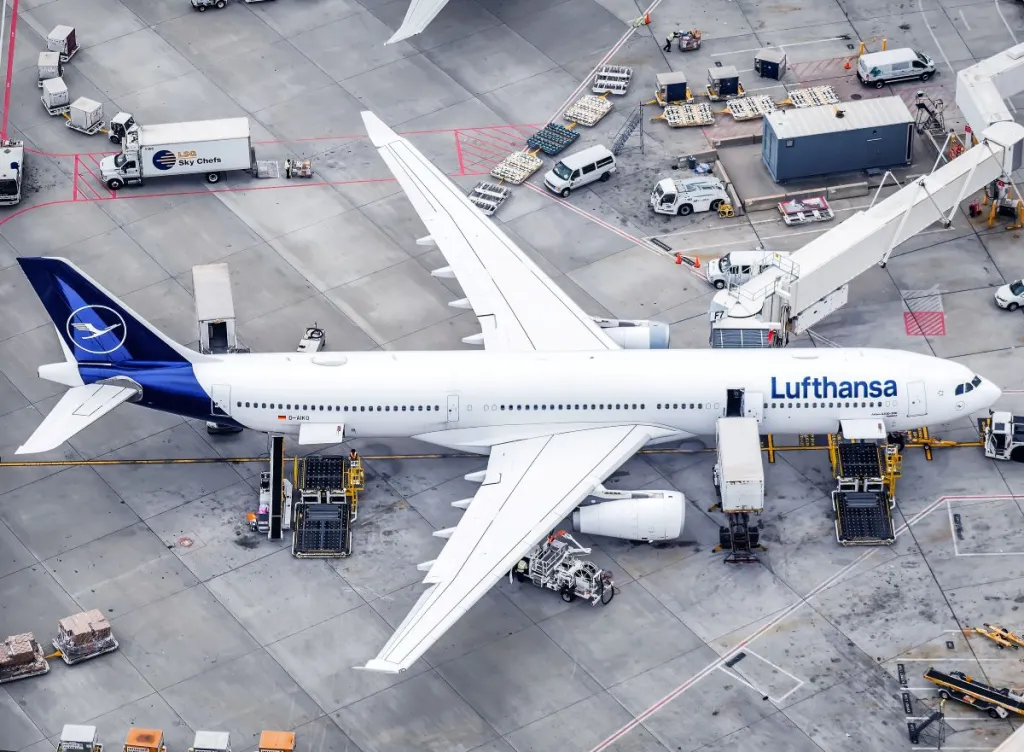
The Lufthansa Group faced significant operational disruptions on Thursday due to a sudden strike by pilot and cabin crew unions, affecting operations at Frankfurt and Munich airports. The strike led to the cancellation of over 800 flights and impacted approximately 100,000 passengers. The conflict primarily revolves around pilot pensions, while cabin crew unions are protesting contract changes. The mainline carrier, “Lufthansa Classic,” is under scrutiny despite the broader group performing well. The article also touches on broader travel industry trends and insights from thought leaders, highlighting the ongoing challenges and pressures faced by airlines in managing labor relations and operational efficiency.
Key Points:
- Lufthansa Group experienced a strike by pilot and cabin crew unions, resulting in the cancellation of over 800 flights and affecting around 100,000 passengers.
- The strike centered on pilot pensions for the mainline carrier, “Lufthansa Classic,” and contract changes for cabin crew at the Lufthansa CityLine regional operation.
- Despite the strike, the broader Lufthansa group is performing well, indicating resilience in the airline industry.
- The article also references broader travel industry trends and insights from thought leaders, emphasizing the ongoing challenges in labor relations and operational management.
Actionable Takeaways:
-
Labor Relations Management: Airlines must prioritize proactive communication and negotiation strategies with unions to prevent operational disruptions. The Lufthansa strike highlights the importance of addressing concerns such as pensions and contract changes promptly to maintain smooth operations.
-
Operational Resilience: The ability of the broader Lufthansa group to perform well despite the strike underscores the importance of operational resilience. Airlines should invest in flexible workforce management and contingency planning to mitigate the impact of labor disputes on their operations.
-
Focus on Passenger Experience: During labor disputes, airlines should prioritize passenger experience by providing clear communication, alternative travel options, and compensation where applicable. This approach can help maintain customer satisfaction and loyalty, even during challenging times.
Contextual Insights:
The strike at Lufthansa reflects ongoing challenges in the travel industry, particularly in managing labor relations and operational efficiency. Recent trends indicate a growing emphasis on employee welfare and fair compensation practices, which are crucial for maintaining a stable workforce. Technological advancements in workforce management and communication tools can aid airlines in addressing such issues more effectively. Moreover, the incident underscores the need for airlines to stay agile and adaptable in the face of labor disputes, ensuring they can continue to meet passenger expectations and maintain operational integrity. As the travel industry evolves, insights from thought leaders suggest that proactive management of labor relations and operational challenges will be key to sustaining growth and competitiveness.
Read the Complete Article.



