









Sail Through Time: Discover the Timeless Wonders of Upper Egypt Aboard Kenzy Dahabeya
Experience the magic of the Nile aboard Kenzy Dahabeya, a luxury boutique sailing cruise that offers an unforgettable journey between...
Read moreDetails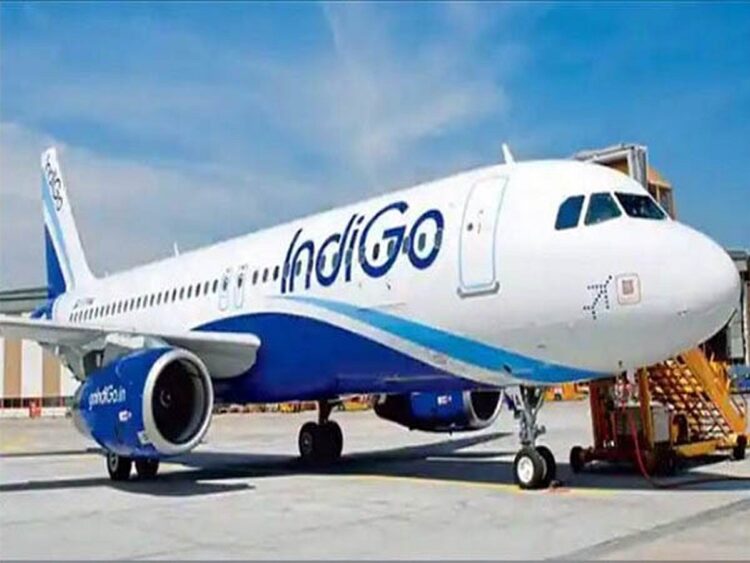
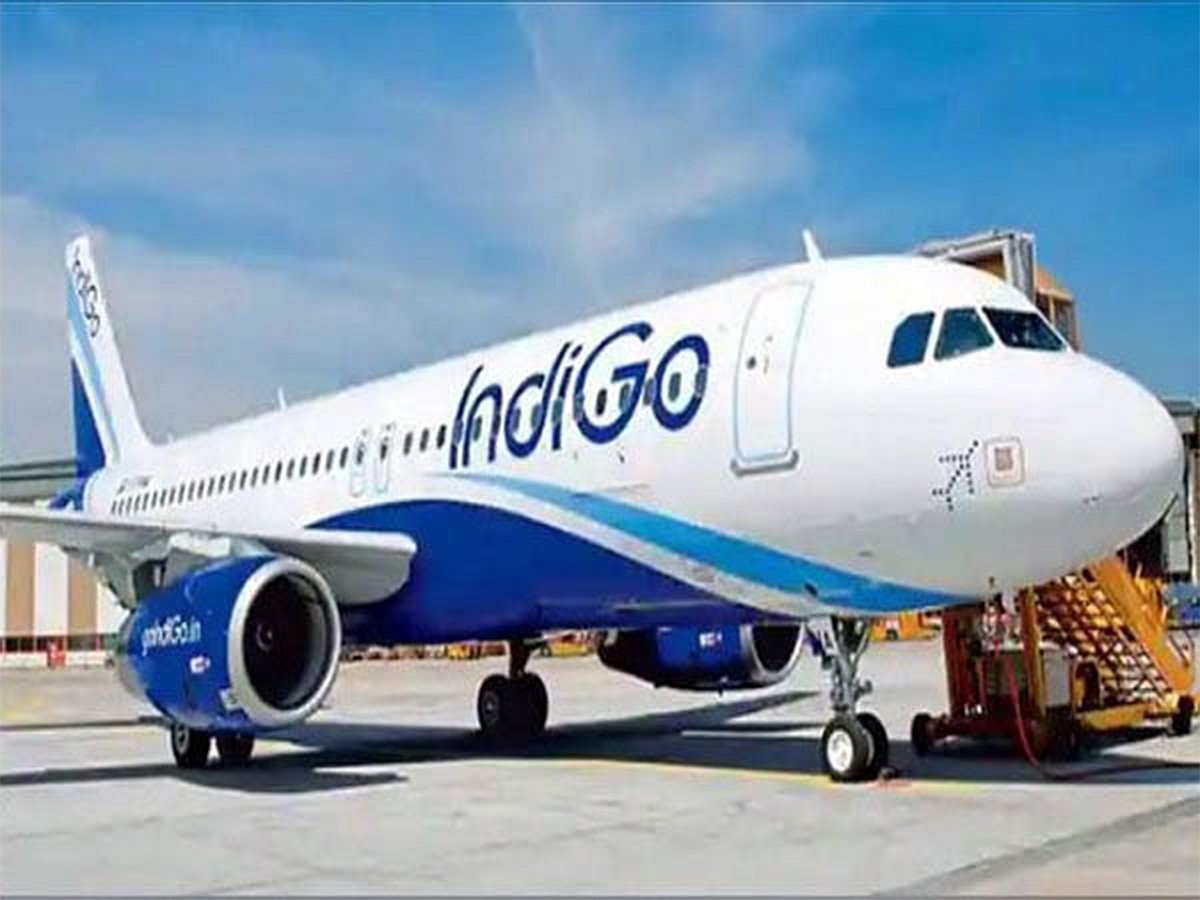
IndiGo cites airspace restrictions as global carriers reroute and suspend services
Comprehensive Summarization:
The article “Airspace concerns disrupt global aviation” discusses the significant disruption caused by rising geopolitical tensions in and around Iran to international aviation. Several airlines have been forced to reroute, delay, or cancel flights that typically pass through Iranian airspace, a crucial corridor linking Asia, Europe, the Middle East, and North America. This instability has prompted aviation authorities and carriers to adopt a precautionary approach, avoiding Iranian and neighboring airspace to ensure safety. The article highlights the impact on major airlines and the broader implications for the travel industry, emphasizing the need for adaptability and strategic planning in response to geopolitical developments.
Key Points:
Actionable Takeaways:
Strategic Route Planning: Airlines should implement flexible route planning to avoid high-risk airspace, ensuring operational continuity and minimizing disruptions. This approach is crucial for maintaining service reliability and customer satisfaction in the face of geopolitical uncertainties.
Enhanced Risk Assessment: Travel companies should invest in advanced risk assessment tools and real-time monitoring systems to quickly adapt to changing geopolitical landscapes. This proactive measure can help mitigate potential disruptions and protect business interests.
Collaboration with Authorities: Strengthening partnerships with aviation authorities and international bodies can provide valuable insights and support in navigating complex airspace restrictions. Collaboration can enhance safety measures and facilitate smoother operations during turbulent periods.
Contextual Insights:
The article reflects the current state of the travel industry, where geopolitical tensions can have far-reaching impacts on aviation operations. Recent events, such as the tensions in and around Iran, highlight the vulnerability of global air travel to political developments. This context underscores the importance of innovation in travel tech, particularly in areas like real-time route optimization and risk management systems. As the industry evolves, thought leaders emphasize the need for startups and fintech solutions to offer robust tools that enable airlines to adapt swiftly to changing conditions. The insights provided in the article align with emerging trends in travel tech, where startups are increasingly focusing on developing solutions that enhance operational resilience and customer experience in the face of geopolitical uncertainties.
Read the Complete Article.
Experience the magic of the Nile aboard Kenzy Dahabeya, a luxury boutique sailing cruise that offers an unforgettable journey between...
Read moreDetails



