










Sail Through Time: Discover the Timeless Wonders of Upper Egypt Aboard Kenzy Dahabeya
Experience the magic of the Nile aboard Kenzy Dahabeya, a luxury boutique sailing cruise that offers an unforgettable journey between...
Read moreDetails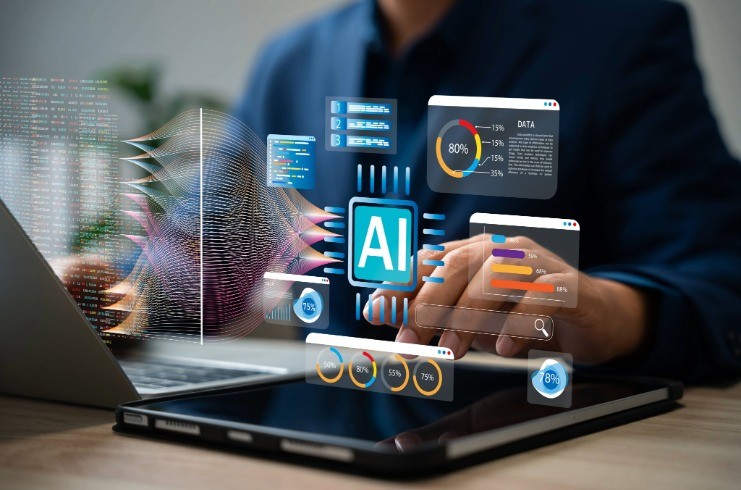
Stayntouch Updates PMS Platform and Adds AI Features
Article Summary:
Stayntouch, a hotel technology provider, has announced a significant platform upgrade designed to enhance performance, reliability, and user experience. The upgrade includes a Gen-2 architecture, AI-driven development tools, and improved reporting capabilities. These enhancements aim to provide faster access to new features, quicker issue resolution, and better scalability for hotel customers.
Key Points:
Actionable Takeaways:
Contextual Insights:
The upgrade by Stayntouch aligns with the broader trend in the travel industry towards adopting advanced technologies to improve operational efficiency and customer experience. The integration of AI in hotel management systems reflects the industry’s shift towards automation and data-driven decision-making. As hotels increasingly rely on technology to manage complex operations, the emphasis on scalability, reliability, and AI-driven enhancements becomes crucial. This trend is likely to continue, with more startups and established players focusing on developing innovative solutions to meet the evolving needs of the hospitality sector.
Read the Complete Article.
Experience the magic of the Nile aboard Kenzy Dahabeya, a luxury boutique sailing cruise that offers an unforgettable journey between...
Read moreDetails



