






Sail Through Time: Discover the Timeless Wonders of Upper Egypt Aboard Kenzy Dahabeya
Experience the magic of the Nile aboard Kenzy Dahabeya, a luxury boutique sailing cruise that offers an unforgettable journey between...
Read moreDetails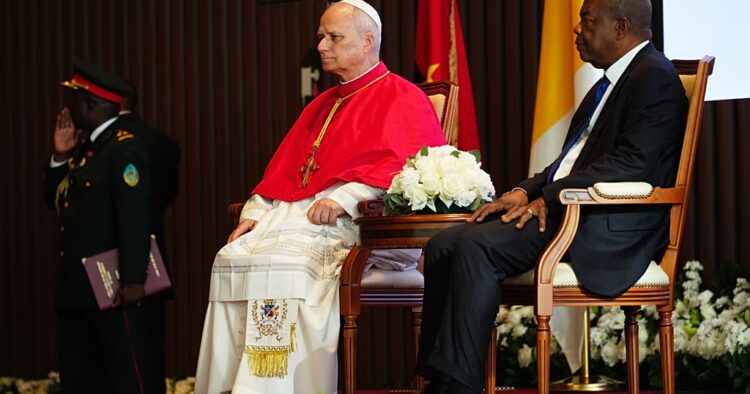
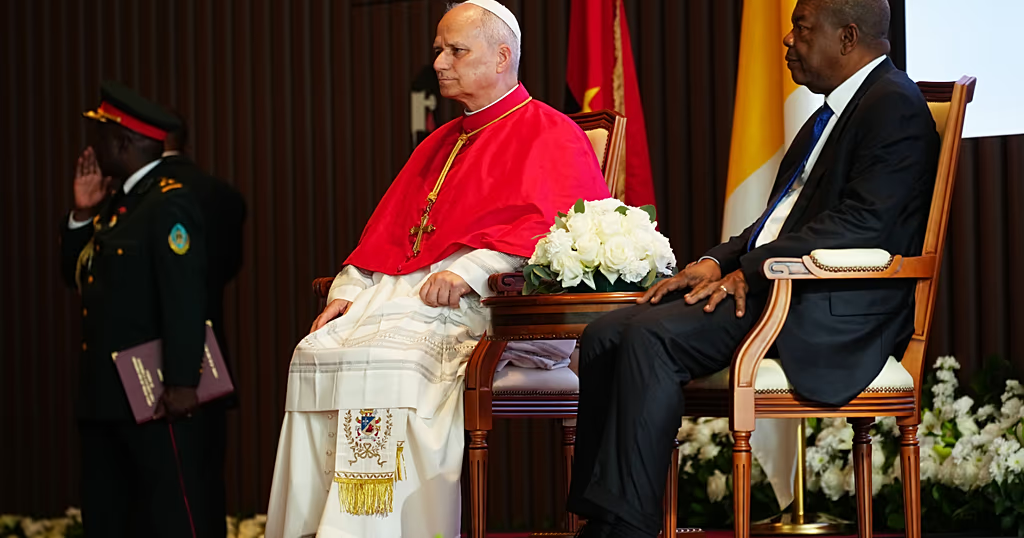
Angolan opposition leader praises Pope Leo's 'powerful message'
Comprehensive Summarization:
The article highlights Pope Leo XIV’s address during his visit to Angola, where he delivered a “powerful message” supporting the Angolan people. The pontiff specifically addressed the consequences of colonial plunder and called on Angolan authorities, including President João Lourenço, to break away from extractivism. He emphasized the suffering, deaths, and social and environmental disasters caused by extractivism. The article also touches on Angola’s 27-year civil war, which resulted in over a million deaths, underscoring the long-term impacts of extractive practices.
Key Points:
Actionable Takeaways:
Contextual Insights:
The article reflects current global concerns about the impacts of extractivism on communities and the environment. It aligns with the emerging travel trend towards sustainable and responsible tourism, where travelers seek destinations that prioritize ecological preservation and social well-being. The insights from Pope Leo XIV’s message can guide travel companies and policymakers in Angola to adopt more sustainable practices, potentially setting a precedent for other countries facing similar challenges. This context underscores the importance of integrating ethical considerations into travel planning and operations, ensuring that tourism contributes positively to local communities and ecosystems.
Read the Complete Article.
Experience the magic of the Nile aboard Kenzy Dahabeya, a luxury boutique sailing cruise that offers an unforgettable journey between...
Read moreDetails



