





Sail Through Time: Discover the Timeless Wonders of Upper Egypt Aboard Kenzy Dahabeya
Experience the magic of the Nile aboard Kenzy Dahabeya, a luxury boutique sailing cruise that offers an unforgettable journey between...
Read moreDetails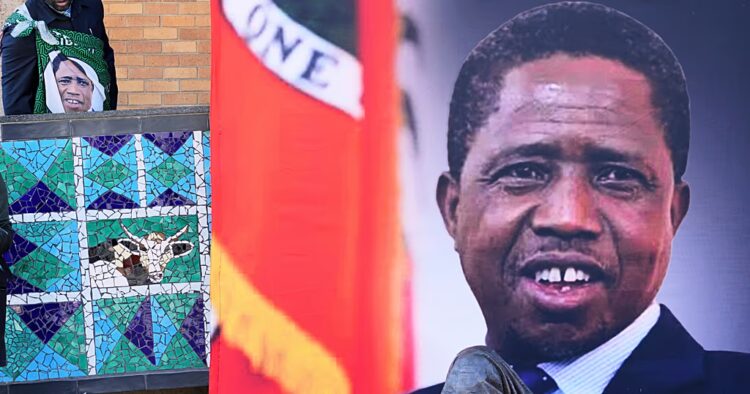
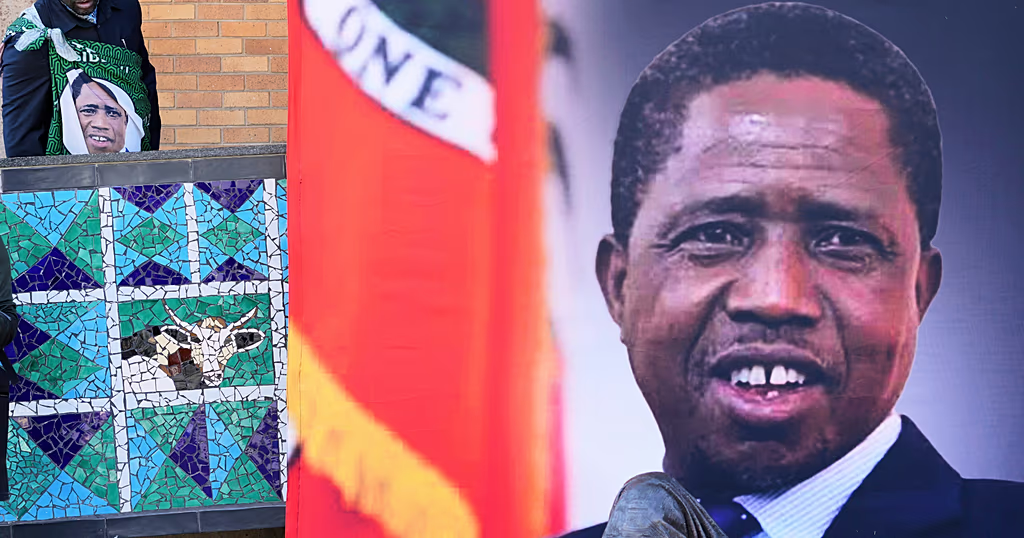
Zambian government takes possession of ex-president Lungu's remains
Comprehensive Summarization:
The Zambian government has taken custody of former President Edgar Lungu’s body, following a dispute with his family over his burial arrangements. Lungu passed away in South Africa last June while receiving treatment for an undisclosed illness. The government’s attorney general confirmed the custody of Lungu’s remains, which were removed from a funeral home in Pretoria. This situation arises despite his family’s claim that a separate court order had ruled for the return of Lungu’s body to the facility. The article does not delve into travel trends or insights, focusing solely on this domestic political issue in Zambia.
Key Points:
Actionable Takeaways:
Contextual Insights:
The article’s focus on a domestic political issue in Zambia underscores the importance of governance stability in the travel industry. Political stability often correlates with safer travel conditions and more predictable regulatory environments, which are crucial for the travel sector. While the article does not directly address travel trends or innovations, the broader context of political stability can indirectly impact travel trends, such as increased tourism or investment in travel infrastructure. Thought leaders in the travel industry might consider this stability as a positive factor for future travel trends in the region.
Read the Complete Article.
Experience the magic of the Nile aboard Kenzy Dahabeya, a luxury boutique sailing cruise that offers an unforgettable journey between...
Read moreDetails



