
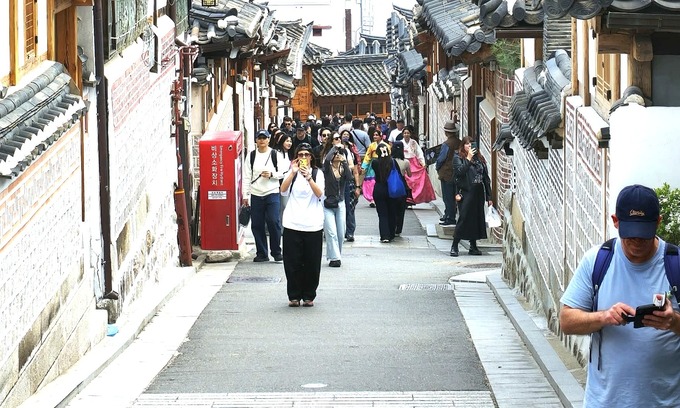
South Korea Welcomes 10.7M Visitors, Exceeds Pre-Covid Tourism Levels
Comprehensive Summarization: The article discusses a significant increase in South Korea's inbound tourism in the first half of the year,...
Read moreDetailsEvery alert that matters — when it happens.

Photo credit: Yonhap
South Korea’s aviation sector is experiencing a remarkable resurgence, with international air passenger numbers reaching an all-time high in the first half of the year. This surge, driven by a robust post-pandemic recovery and a growing appetite for global travel, signals a strong rebound for the nation’s tourism industry and its interconnected economic sectors.
The Ministry of Land, Infrastructure, and Transport reported a staggering 27.4 million international passengers during the January-June period, marking a significant leap from previous years. This figure not only surpasses pre-pandemic levels but also underscores the resilience and dynamism of South Korea as a global travel destination. The data indicates a healthy recovery in air travel demand, with passenger traffic increasing by 13.7% compared to the same period in 2019, a year often used as a benchmark for pre-COVID travel activity.
A key driver behind this impressive growth is the renewed interest in South Korea from international tourists. The country’s vibrant culture, technological innovation, and diverse attractions continue to draw visitors from around the globe. Furthermore, the expansion of flight routes and increased capacity by major airlines have facilitated greater accessibility, making it easier and more convenient for travelers to reach South Korea.
Airlines themselves have benefited immensely from this upswing. Passenger traffic through major international airports, including Incheon International Airport, has seen a substantial increase. This translates directly into higher revenue for carriers and a boost in employment within the aviation and hospitality sectors. The positive impact extends beyond the immediate travel experience, stimulating spending in areas such as accommodation, dining, entertainment, and retail, thereby contributing significantly to the national GDP.
The government’s strategic focus on promoting tourism and streamlining travel processes appears to be paying dividends. Efforts to enhance airport infrastructure, diversify tourism offerings, and implement supportive policies have created an environment conducive to growth. As international travel continues to normalize and expand, South Korea is well-positioned to capitalize on this momentum, solidifying its reputation as a premier global travel hub. The sustained recovery in international air passenger traffic is a clear indicator of a thriving tourism economy, promising continued growth and prosperity in the months and years to come.
Key Points
Read the Complete Article.
Comprehensive Summarization: The article discusses a significant increase in South Korea's inbound tourism in the first half of the year,...
Read moreDetails

Experience the magic of the Nile aboard Kenzy Dahabeya, a luxury boutique sailing cruise that offers an unforgettable journey between...
Read moreDetails





